
Samsung
| Country of origin | South Korea |
|---|---|
| First created | 1938 |
| Original use | Trading company (later diversified into electronics) |
| Product category | Consumer electronics and home appliances |
| Typical power requirement | Varies by appliance (e.g., 120V/240V AC) |
| Typical operating cost | Varies by appliance and local electricity rates |
| Grid reliability | Designed for stable grids; surge protection recommended for unstable grids |
Origin and history
Samsung is a South Korean multinational conglomerate founded in the late 1930s. Its initial business was trading dried fish, vegetables, and noodles locally. The company expanded into various industries, including textiles and insurance, throughout the mid-20th century. Samsung Electronics was established as a subsidiary in the late 1960s, marking its formal entry into the electronics sector. The company's major growth in home appliances began in earnest during the 1970s and 1980s. This period laid the foundation for its current global position as a leading manufacturer of consumer electronics and domestic appliances.
What it is designed for
Samsung home appliances are engineered to integrate technology and convenience into modern household management. Their refrigerators are designed for efficient food preservation with features like precise temperature control and organized storage compartments. Washing machines are built to handle diverse fabric types and soil levels while aiming to conserve water and energy. Cooking appliances, such as ranges and ovens, are created to provide consistent heat and user-friendly controls for meal preparation. Many appliances incorporate smart connectivity, allowing for remote monitoring and control via smartphone applications. The overall design philosophy emphasizes digital integration, energy efficiency, and streamlined aesthetics for contemporary living spaces.
Development and versions
Samsung's appliance line has evolved through significant technological generations and model families. Early developments focused on core mechanical reliability and basic automatic functions for washers and refrigerators. The introduction of digital inverter motors represented a major advancement, providing more precise control and improved energy efficiency in compressors and drums. Subsequent versions integrated touch-screen displays and early smart features for user interface improvements. The current generation heavily emphasizes full smart home ecosystem compatibility, often using the SmartThings platform for interconnected operation. Model families are consistently updated, with flagship lines like the Bespoke series offering modular, customizable designs alongside more standard, value-oriented product tiers.
Pros and cons
A significant pro is the deep integration within Samsung's own ecosystem, allowing for seamless communication between appliances, televisions, and phones. The design aesthetic is often modern and consistent, which appeals to users seeking a unified kitchen look. A common con is that repair costs can be high, and proprietary parts sometimes make third-party servicing difficult. Some users regret choosing Samsung when faced with complex electronic control board failures, which are costlier to fix than simpler mechanical issues. The extensive digital features and touch interfaces can be a point of frustration for those who prefer straightforward, tactile controls. A frequent mistake is purchasing appliances for their smart features without verifying the long-term support and update policy for the embedded software.
Who it suits
This brand suits homeowners who prioritize a connected, modern kitchen and are comfortable with digital interfaces and smartphone integration. It is a fit for those building or renovating a home and who wish to purchase a matching suite of appliances from a single brand for aesthetic cohesion. Tech-savvy users who will actively use and benefit from remote diagnostics, cycle monitoring, and automated routines will find value in the product offerings. The brand also appeals to consumers looking for visually customizable options, such as interchangeable door panels on refrigerators. It is less suited for individuals in areas with limited technical support or for those whose primary purchasing criteria are low long-term maintenance costs and simplicity of repair. Budget-conscious buyers seeking only basic, durable functionality may find better value with brands specializing in less feature-rich, mechanically focused appliances.
Latest Samsung news
Latest reporting
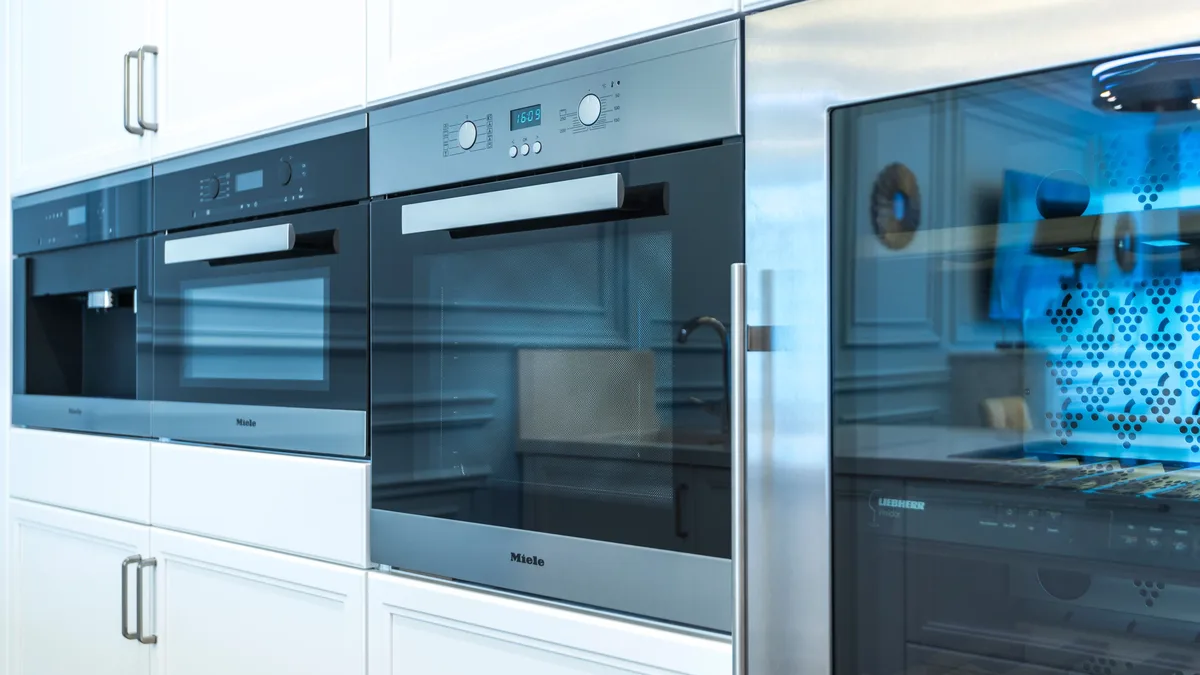
Samsung Opens German Showroom for Built-In Kitchen
Samsung has opened a permanent built-in appliance showroom in Löhne, Germany, to serve as a hub for European kitchen industry partners and advance its

Samsung Appliances Win Multiple IFA 2026 Design Awards
Samsung's Bespoke AI WindFree Pro air conditioner and Bespoke AI Refrigerator models have won awards at the IFA 2026 Innovation Awards for their...
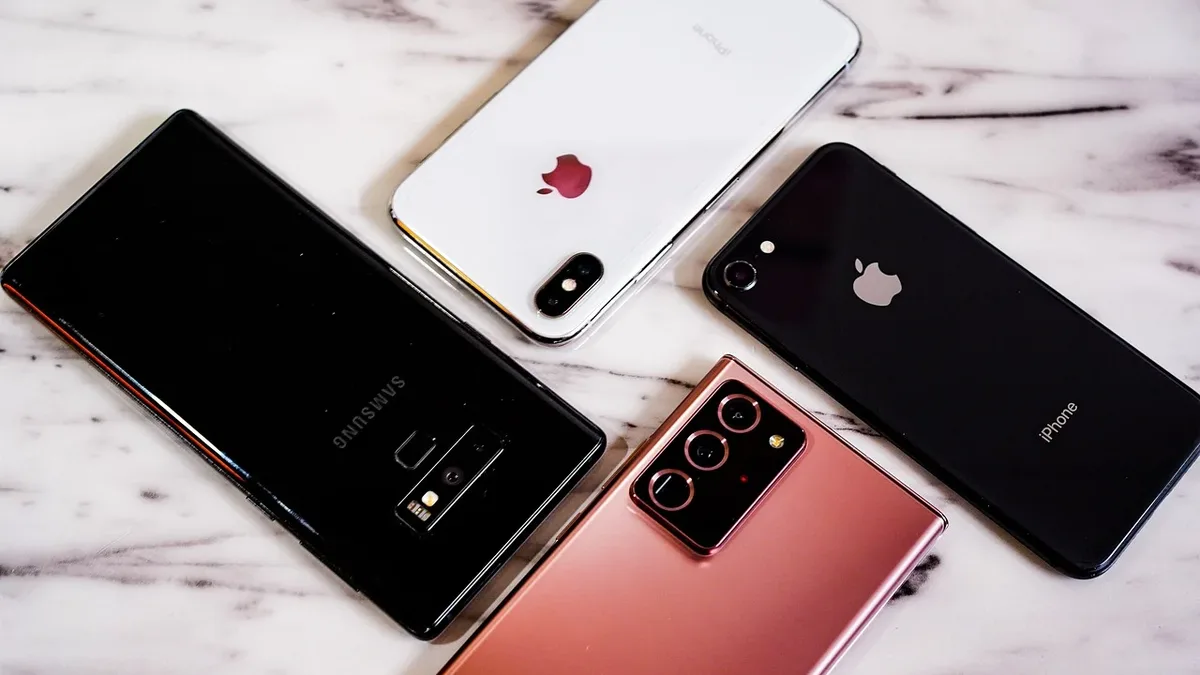
Apple's iPhone Ultra faces high bar in
Apple's upcoming folding iPhone, the iPhone Ultra, is expected to launch into a market dominated by Samsung's refined designs.

Samsung 2027 monitors: 1100Hz, triple mode
Samsung's 2027 Odyssey monitors, previewed at Gamescom 2026, feature a 1100Hz Fast IPS panel, a triple-mode QD-OLED screen, and 6K gaming displays.
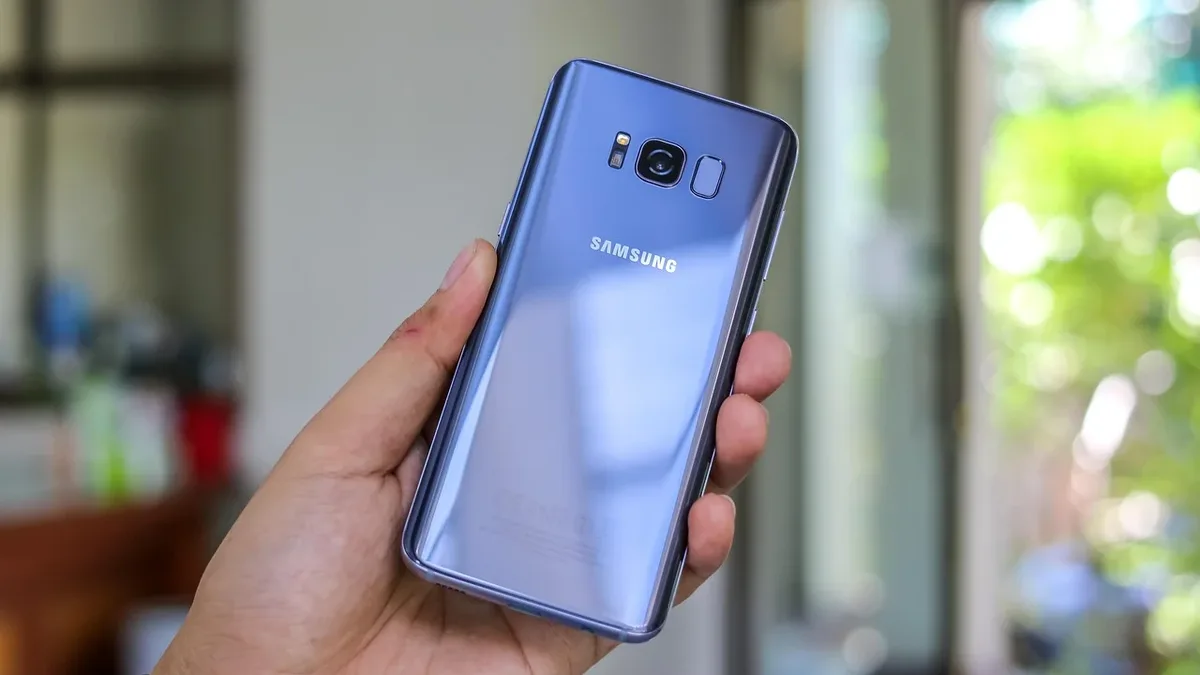
Samsung Galaxy Z Flip 8 review: Cover screen
Samsung's Galaxy Z Flip 8 costs $1,199.99 and focuses on a more capable cover screen, though its hardware sees only minor changes from last year's...

Sony Bravia 6 OLED TV challenges LG, Samsung
Sony's new Bravia 6 OLED TV starts at $1,300. It comes in five sizes with four HDMI 2.1 ports, competing with LG's C6 and Samsung's S90H models.