Samsung and Amazon push TVs as gaming platforms
Two stories cover storm preparation for garden appliances and the push by major brands to position smart TVs as primary gaming devices.
Two separate industry developments highlight different aspects of home technology. The first offers quick tips for securing outdoor appliances and structures ahead of severe weather. The second details a strategic shift by electronics giants to market televisions as accessible gaming platforms.
Securing Outdoor Items
Homeowners can take several fast actions to protect their outdoor belongings from storm damage. The advice focuses on securing loose items, moving pots, and checking structures like sheds and greenhouses.
Lightweight containers and hanging baskets should be moved indoors or placed on the ground to prevent them from becoming hazards. Larger pots can be grouped together against a wall for stability. A key step involves scouring the garden for any loose ornaments, tools, rugs, cushions, or lightweight furniture that could blow away. These items should be stored inside a shed, garage, or a dedicated outdoor storage box. Heavier furniture should be tied down securely with strong ropes.
Buildings require attention as well. All doors and windows on greenhouses and sheds must be shut and locked or propped closed. Loose glass panes should be secured with heavy-duty tape to prevent them from lifting in the wind. For tall plants in flower beds that cannot be moved, staking with bamboo canes or metal poles is recommended. Using soft plant ties every 8 to 12 inches up the stem can provide support while allowing some movement.
TV as a Gaming Hub
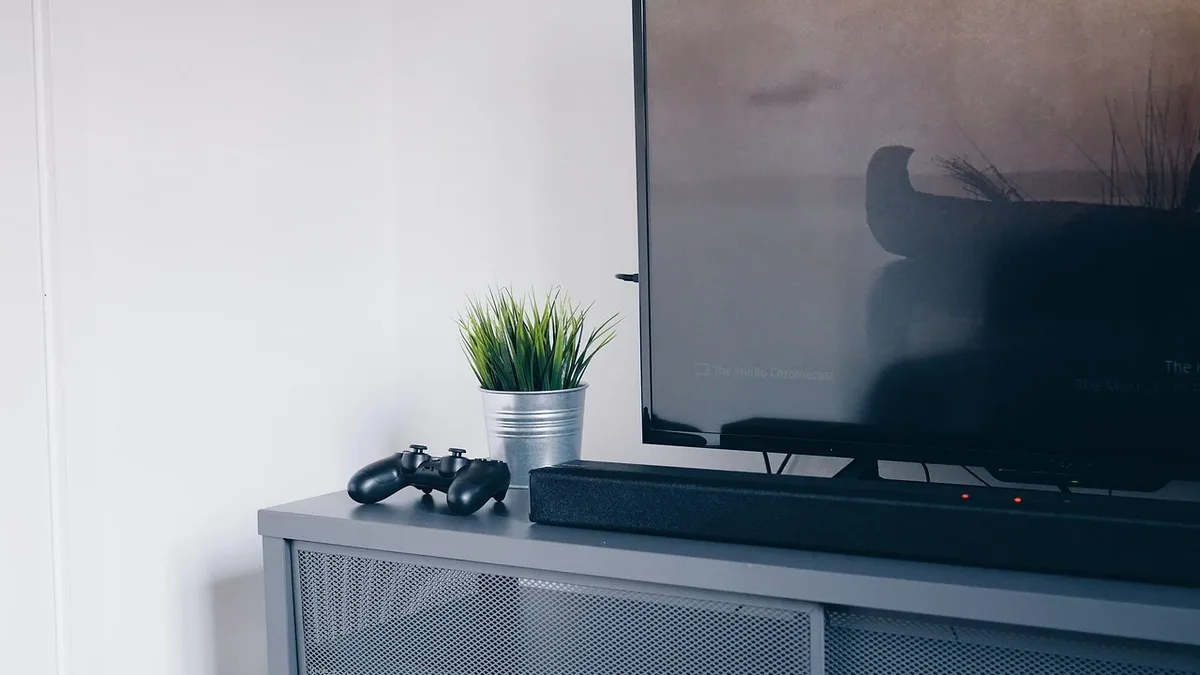
Samsung and Amazon are collaborating to market smart televisions as primary platforms for casual gaming. Executives from both companies see the gaming hardware market splitting into high-performance consoles for serious players and TV-based cloud gaming for a broader audience.
Kevin Beatty, head of product for Samsung Visual Display, acknowledged that next-generation consoles will be more powerful than standard televisions. He stated, "I don't envision Samsung trying to build a TV competitive with the next Xbox or PlayStation." Jeff Gattis, GM of gaming at Amazon, similarly expects consoles and gaming PCs to remain for the high-end market. He sees TVs serving everyone else unwilling to invest heavily in dedicated hardware. Amazon's Luna service, now free for Prime members, allows multiple players to use their smartphones as controllers by scanning a QR code.
The potential audience is vast. Gattis noted that nearly 3 billion people worldwide play video games, while only about 500 million consoles and gaming PCs exist. Amazon reports that Luna's monthly active player base has grown fivefold since a service revamp last October. For retailers, this initiative creates a new selling point to encourage TV upgrades. Beatty predicts the emergence of a separate category for TV-centric gaming accessories, from traditional gamepads to other peripherals. He envisions gaming becoming more integrated with linear TV programming, allowing viewers to interact with content.