
Buying During Hot Sale, Buen Fin And Black Friday
| Product category | Major appliances, electronics, and high-value goods |
|---|---|
| Original use | Purchasing consumer goods at a discounted price |
| Event timing | Annual, typically in November |
| Primary regions | Mexico (Buen Fin), United States and globally (Black Friday), various (Hot Sale) |
| Discount type | Percentage-off promotions and bundled deals |
| Retailer participation | Major department stores, online marketplaces, and specialty chains |
Origin and history
The Hot Sale, Buen Fin, and Black Friday are distinct promotional sales events with separate geographic and historical origins. Black Friday originated in the United States in the mid-20th century, initially linked to post-Thanksgiving shopping and later solidified as a major retail event by the 1980s. Buen Fin, or "El Buen Fin," is a Mexican sales event created by the Mexican government and private sector, first launched in the early 2010s to stimulate the national economy. The Hot Sale is an Argentine creation, organized by the Argentine Chamber of Electronic Commerce (CACE), with its first iteration held in the early 2010s as well. These events have since been adopted and adapted by numerous other countries across Latin America and beyond, often blending with local retail calendars. Their histories are fundamentally tied to national economic policies and the globalization of retail marketing strategies.
What it is designed for
These sales periods are designed to create concentrated spikes in consumer spending through significant, time-limited discounts across a wide range of goods. The primary economic design is to clear existing inventory, particularly of older models, and to boost annual revenue figures for retailers during a short, high-volume window. For consumers, the design intent is to provide access to desired products, often big-ticket items like appliances and electronics, at lower perceived prices than typical throughout the year. From a macroeconomic perspective, events like Buen Fin are explicitly engineered to stimulate domestic economic activity and encourage formal, traceable transactions. The timing of these events is strategically placed, often before the holiday shopping season or at the end of the financial year, to capitalize on consumer readiness to spend. They also serve to shift purchasing behavior from traditional brick-and-mortar stores to online platforms, especially in regions like Latin America where e-commerce growth is a targeted goal.
Development and versions
The development of these events has seen them evolve from single-day promotions to extended shopping periods, sometimes lasting a week or more. Black Friday has spawned derivative versions like Cyber Monday, focusing exclusively on online deals, and Small Business Saturday, aimed at local retailers. In Mexico, Buen Fin has expanded from its initial format to include pre-sale periods, online exclusives, and increased participation from financial institutions offering special credit terms. The Argentine Hot Sale has systematically increased its duration and participant count, while also standardizing security and consumer protection protocols for online transactions. A key development across all versions is the heavy integration with e-commerce platforms, requiring robust digital infrastructure that was not a focus in their earliest iterations. Furthermore, regional adaptations have occurred, where neighboring countries adopt one event's name but align its timing with local holidays or payday schedules, creating hybrid versions.
Pros and cons
A significant pro is the genuine opportunity to purchase major appliances at a lower cost than during typical seasonal sales, allowing for budget-conscious upgrades. The concentrated competition among retailers can lead to transparent price comparisons and bundled offers that include installation or extended warranties. A major con is that the pressure to secure a deal can lead consumers to purchase ill-suited or lower-quality models that are specifically produced for these high-volume sales events, potentially compromising longevity. Many consumers regret purchases when they discover the discounted model lacks features or has a lower build quality compared to the standard version sold at full price, a common industry practice during these periods. The frenzy can also overwhelm local delivery and installation services, leading to long wait times and poor service quality post-purchase. Another common mistake is focusing solely on the sticker price without calculating the long-term running costs of an energy-inefficient appliance bought on sale, which erodes the initial savings.
Who it suits
These sales events best suit informed consumers who have already researched specific appliance models, know their standard market prices, and are prepared to act quickly when their predetermined target price is met. They suit households with available cash reserves or pre-approved credit, as impulsive financing under time pressure can lead to unfavorable debt. The events are advantageous for those needing to replace a failing appliance imminently, as the timing can align with a necessary purchase rather than a speculative one. They are less suitable for individuals susceptible to marketing pressure or those without a clear understanding of the technical specifications, like energy consumption ratings, that truly determine an appliance's lifetime cost. Businesses looking to outfit properties with multiple units may also benefit from bulk purchase opportunities during these windows, provided they have done prior due diligence. Ultimately, they suit the patient and prepared buyer, not the impulsive one.
Latest Buying During Hot Sale, Buen Fin And Black Friday news
Latest reporting

Dyson Supersonic Origin on sale for AU$299
Dyson's Supersonic Origin hair dryer is on sale for AU$299 at David Jones. It dries thick hair in under four minutes on low heat with powerful...
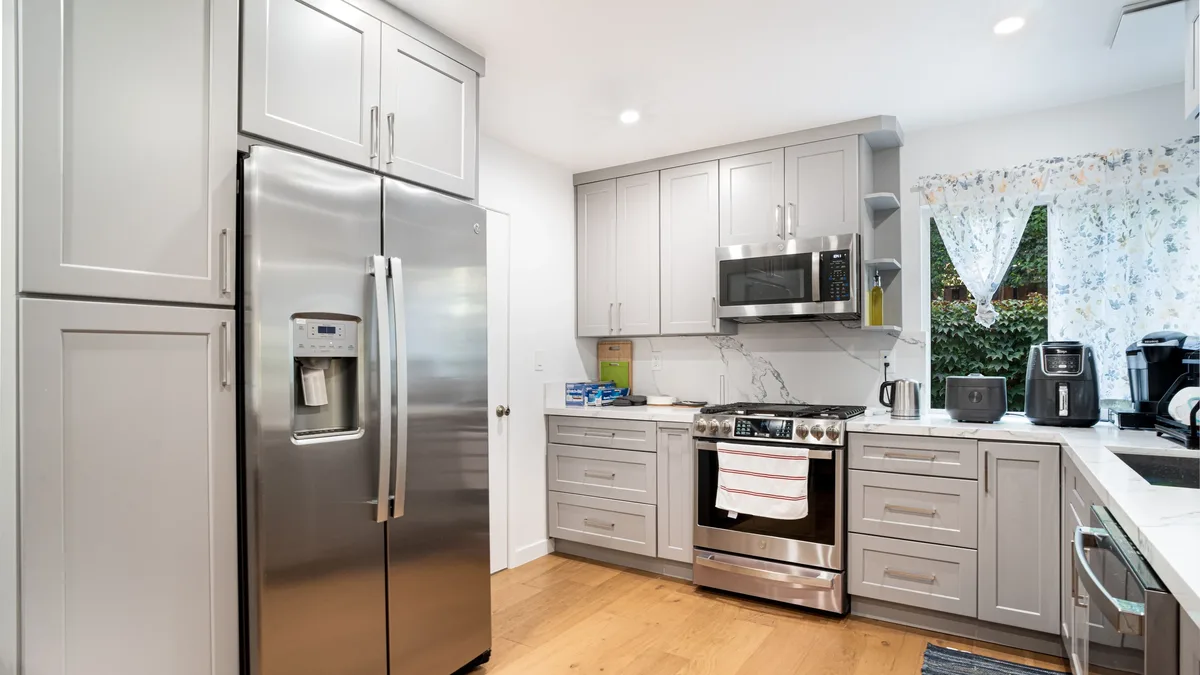
Best Buy Labor Day appliance sale live
Best Buy's Labor Day sale offers up to 45% off major appliances from Samsung, LG, GE, and Whirlpool, with free shipping and a price match guarantee.
Argos Big Red Sale: Up to 50% Off on Dyson, KitchenAid, Ninja and More
Argos launches its Big Red sale, offering up to 50% off on a range of home appliances including Dyson vacuums, KitchenAid mixers and Ninja air...

Logitech headset, webcam hit Amazon cuts
Logitech cuts prices on its Zone 305 headset to $90 and C920x webcam to $60 during Amazon for Business Brand Week, offering teams a budget-friendly...

How to Keep Your Router Cool in Summer: A Simple Vertical Fix
A homeowner shares a cost-free solution to prevent routers from overheating during summer by positioning them vertically, improving airflow and...