Warranty And Service
| Product type | Appliance warranty and service plan |
|---|---|
| Coverage scope | Manufacturer defects and component failure |
| Service type | In-home repair or unit replacement |
| Contract duration | One to five years |
| Provider | Manufacturer or third-party administrator |
| Claim process | Phone, website, or mobile app |
| Local service network | Varies by region |
| Transferability | Varies by plan |
| Cancellation policy | Varies by provider |
Origin and history
The concept of a formal warranty and service agreement for domestic appliances originated in industrialized nations during the early to mid-20th century. Its development coincided with the mass production of complex electrical goods like refrigerators and washing machines. Manufacturers in North America and Western Europe were the primary drivers, establishing these policies to build consumer confidence in their new, relatively expensive products. The practice standardized further in the latter half of the century as global supply chains expanded. It evolved from a simple promise of repair into a structured contract with defined terms and conditions. The widespread adoption of such agreements is now a fundamental aspect of the global appliance retail industry.
What it is designed for
A warranty and service agreement is designed to protect the consumer from financial loss due to manufacturing defects or premature failure of an appliance. Its primary function is to obligate the manufacturer or retailer to repair or replace a faulty product within a specified period. This system is engineered to manage the inherent risk of complex mechanical and electronic components failing outside the user's control. It specifically covers breakdowns under normal use conditions, as defined in the contract's legal text. The service component provides a structured channel for obtaining technical support and authorized repairs. Ultimately, it is a risk-management tool that shifts certain repair costs from the purchaser back to the responsible party for a defined duration.
Development and versions
The development of warranty and service has progressed from simple verbal guarantees to lengthy, legally complex documents. Early versions were often limited to a period of 90 days or one year and covered only specific parts, such as the compressor in a refrigerator. The late 20th century saw the proliferation of extended service plans sold separately from the manufacturer's standard warranty. Modern versions now commonly differentiate between a "parts" warranty, a "labor" warranty, and a "full" warranty, each with distinct coverage. Digital registration, online claim submission, and nationwide service networks represent significant logistical developments. Variations also exist between manufacturer warranties, retailer-backed warranties, and third-party insurance-style service contracts, each with different claim procedures and repair networks.
Pros and cons
A primary pro is financial predictability, as a comprehensive warranty can shield the owner from sudden, high repair bills during the coverage period. It also typically ensures repairs are conducted with genuine parts by technicians trained for that specific brand, which can protect the appliance's longevity. A significant con is that warranties are filled with exclusions, often voiding coverage for issues attributed to power surges, improper installation, or "acts of God," which are common points of dispute. Consumers frequently regret purchasing expensive extended service plans for appliances that prove inherently reliable, effectively paying for unused coverage. The common mistake is failing to read the terms to understand that routine maintenance, like descaling a coffee maker, is often a required condition for the warranty to remain valid. Furthermore, service under warranty can be slow, as authorized repair networks may have limited local availability, leaving the user without a critical appliance for weeks.
Who it suits
This product suits purchasers of complex, high-cost appliances where a single major repair would constitute a significant financial burden, making the risk mitigation valuable. It is particularly suited for individuals living in areas with unstable grid power, where voltage fluctuations are common and can damage sensitive electronics, provided such damage is not excluded. It also suits those who lack the technical inclination, time, or tools to perform their own diagnostics and repairs and prefer a single point of contact for service. Conversely, it is less suited for buyers of simple, low-cost appliances where the price of an extended service plan may approach the cost of simply replacing the entire unit. It is poorly suited for individuals who frequently move or reside in remote locations without easy access to authorized service agents, making claim fulfillment impractical. Ultimately, it best suits meticulous consumers who thoroughly understand the terms, are willing to perform required maintenance, and value long-term operational security over immediate lowest cost.
Latest Warranty And Service news
Latest reporting
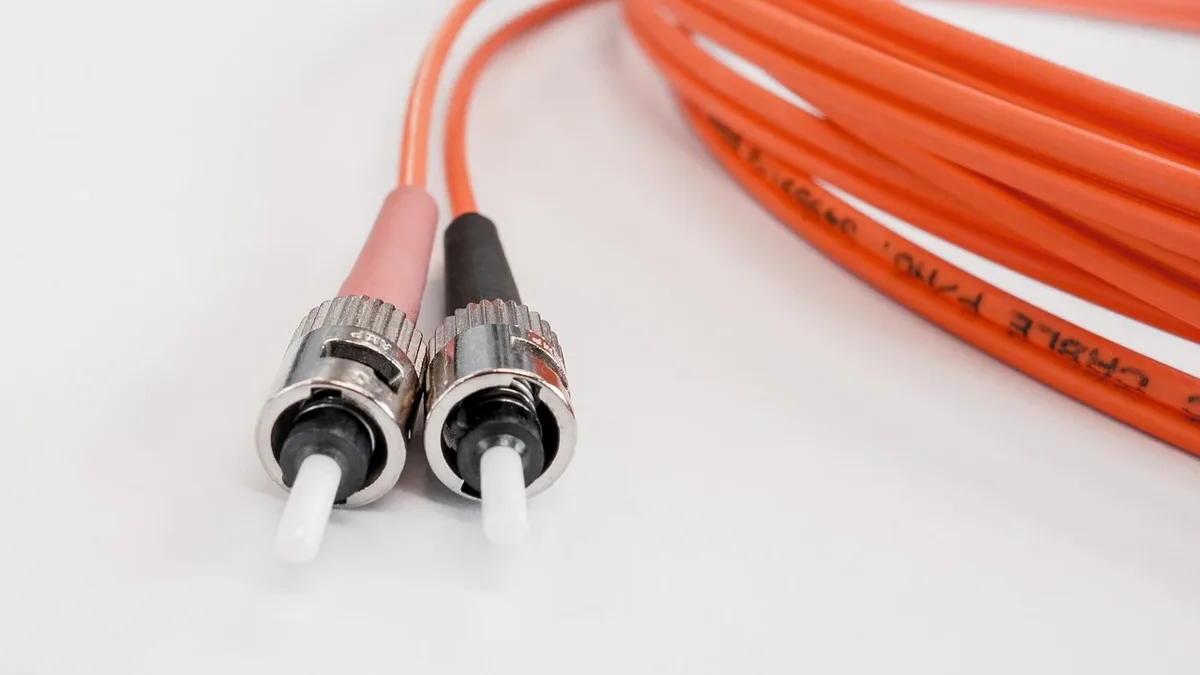
AT&T sues Charter over fiber marketing
AT&T sued Charter, claiming its Spectrum internet marketing misleads by calling service 'fiber-powered' when most connections use copper cables to...

Amazon Mechanical Turk Shuts Down After 21
Amazon will permanently close its Mechanical Turk platform on September 30, 2026. The service, which once connected over 500,000 workers to tasks...
Understanding the Role of Samsung Account in Your Galaxy Device
Samsung Account is a free service that provides access to various tools and features designed to enhance the security, management, and...