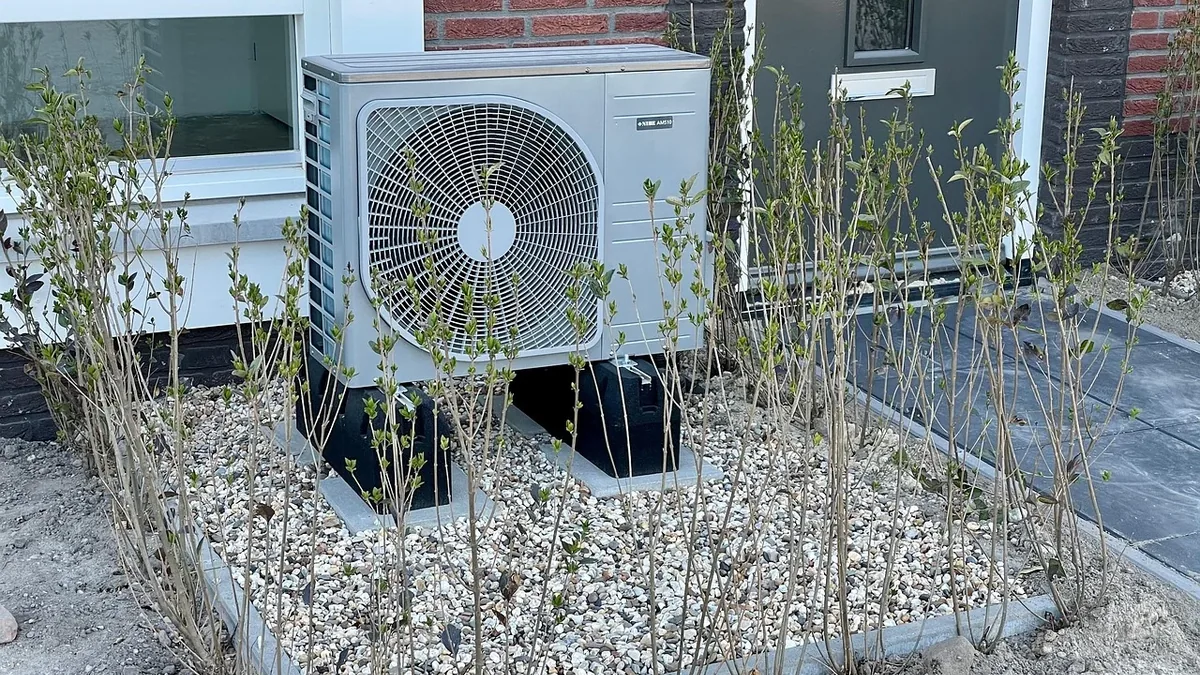
Aire No Enfria
| Appliance type | Split-system air conditioner |
|---|---|
| Cooling capacity | 9000 to 24000 BTU/h |
| Energy efficiency rating | SEER 13 to 21 |
| Typical power consumption | 800 to 2200 watts |
| Operating voltage | 208/230 volts |
| Refrigerant type | R-410A |
| Installation requirement | Professional |
| Common fault | Iced evaporator coil |
Overview
Aire No Enfria is a colloquial term used in parts of Latin America to describe a specific, persistent malfunction in certain household air conditioning systems. The phrase translates literally to "air does not cool" and refers to a condition where the appliance operates, circulating air, but fails to lower the temperature of the space to the set point. This is not a brand or model but a common local descriptor for a category of cooling system faults, primarily affecting split-type and window units in residential and small commercial settings. The issue is characterized by a normal-seeming operational noise and airflow from the indoor unit, but a complete lack of refrigerative cooling. Diagnosing an Aire No Enfria condition requires moving beyond simple checks of power supply and thermostat settings to examine the refrigeration cycle itself. It represents a significant failure mode that renders the appliance functionally useless for its primary purpose despite consuming electricity.
History
The term Aire No Enfria emerged as a widespread piece of local technical vernacular in the late 20th century, coinciding with the mass adoption of mechanical air conditioning across urban and suburban areas of Latin America. Its origins are tied specifically to Spanish-speaking regions, particularly Mexico, Central America, and the Caribbean, where the climate creates a high dependency on cooling systems. The phrase entered common use as a diagnostic shorthand among technicians and homeowners to quickly communicate the core symptom, bypassing more complex mechanical descriptions. Its persistence in the lexicon underscores the commonality of the underlying faults across various brands and generations of equipment installed over decades. The term itself is rarely found in formal service manuals from manufacturers, which prefer standardized fault codes, but it is universally understood in local repair markets. The concept has remained stable even as the technology of the appliances has evolved from older refrigerant types to current models.
How it works today
In contemporary usage, an Aire No Enfria fault indicates a breakdown in the vapor-compression refrigeration cycle that is fundamental to all modern air conditioners. The system's compressor, condenser, expansion valve, and evaporator coil must work in concert to absorb heat from indoor air and reject it outdoors. When an Aire No Enfria condition occurs, this heat exchange process fails, often due to a loss of refrigerant charge from leaks in coils or fittings. Another prevalent cause is a failed compressor that continues to run but does not pump refrigerant, or a completely blocked refrigerant line from contamination or a malfunctioning expansion device. The indoor unit's fan continues to operate normally, giving the illusion of function, but it is merely moving uncooled air. Modern technicians use specialized tools like manifold gauges and leak detectors to diagnose the specific point of failure within the sealed system, which is required for a proper repair.
Pros and cons
The primary con of an Aire No Enfria situation is the total loss of cooling function while the appliance continues to draw significant electrical power, leading to wasted energy costs and discomfort. Repair costs can be substantial, often involving the recovery and recharge of refrigerant, replacement of major components like compressors or coils, and labor for pressure testing, which may approach the cost of a new unit for older models. A common mistake is for owners to delay professional diagnosis, continuing to run the faulty system for weeks in hopes it will "fix itself," which only increases electricity bills and can cause further damage from compressor overheating. Those who most regret encountering this fault are individuals with older units where the cost of a major sealed-system repair is not economically justified, leaving them to face an unexpected capital expense. On the pro side, the fault's clear, unambiguous symptom allows for quick identification of a serious problem, prompting necessary service rather than minor adjustments. Furthermore, a proper repair by a qualified technician, while costly, can fully restore the system to original efficiency, which is often preferable to replacing a otherwise sound unit if the failure is isolated.
Who it suits
The term Aire No Enfria suits homeowners, tenants, and small business operators in regions with a strong Spanish-language technical culture who need a quick, non-technical way to describe this specific air conditioner failure to a repair service. It is particularly useful for individuals who are not mechanically inclined but can accurately report that the unit is blowing air that is not cold. This descriptor is well-suited to the context of seeking estimates or second opinions, as it immediately directs the conversation to the sealed refrigeration system rather than electrical or control issues. The phrase does not suit those dealing with brand-new, under-warranty equipment, as manufacturers' service networks will require specific model information and fault codes. It is also less suited to very minor cooling deficiencies or issues related solely to airflow or thermostat calibration, where the air does cool, but inadequately. Ultimately, it serves as an efficient cultural shorthand within its region of origin for a serious and common mechanical fault.