Blackouts, Load Shedding And What It Does To Appliances
| Voltage range | Typically 110–120V or 220–240V, depending on region |
|---|---|
| Frequency | 50 Hz or 60 Hz, depending on region |
| Surge vulnerability | Varies by appliance type and quality |
| Common failure modes | Motor burnout, control board damage, compressor failure |
| Protection methods | Surge protectors, uninterruptible power supplies (UPS), voltage stabilizers |
| Original use | Designed for stable grid power conditions |
| Effect of brownouts | Can cause overheating and premature wear |
| Effect of hard restarts | Can create power surges damaging to electronics |
Origin and history
The phenomenon of deliberate load shedding, as a formalized public utility practice, originated in the post-apartheid era in South Africa during the early 2000s. The term "load shedding" entered common usage there to describe the scheduled, rolling blackouts implemented by the national electricity utility to prevent a total grid collapse. The damaging effects of power interruptions on electrical appliances, however, have been a concern since the widespread adoption of AC grid power in the early 20th century. Historically, blackouts were largely unexpected events caused by storms, equipment failures, or unforeseen demand surges. The systematic study of how voltage fluctuations, surges, and outages affect appliance longevity and function became more critical with the institutionalization of managed blackouts. This specific combination of scheduled power cuts and their appliance impacts is therefore a modern issue stemming from grid capacity constraints in developing and some developed economies.
What it is designed for
Load shedding is a last-resort measure designed to protect a national or regional electricity grid from catastrophic failure. It is implemented when the demand for electricity exceeds the available supply, creating a risk of uncontrolled cascading blackouts that could take days or weeks to repair. The procedure is designed to balance the grid by temporarily removing specific blocks of customers from the power network in a planned, rotational sequence. This deliberate reduction of total demand prevents the frequency and voltage of the entire grid from falling to levels that would damage generation equipment and critical infrastructure. From a utility perspective, it is a safety protocol, not a service offering, intended to maintain overall system stability. For end-users, the practice is designed to be predictable, allowing some opportunity to prepare appliances and devices for the scheduled outage.
Development and versions
The methodology of load shedding has evolved from ad-hoc, unannounced outages to highly scheduled and publicly communicated programs. Early versions relied on simple manual switching of circuit breakers in substations, often with little public warning. Modern implementations utilize sophisticated software and smart grid technologies to automate switching and optimize the shedding rotation to minimize economic disruption. Communication versions have expanded from radio announcements to dedicated mobile applications, SMS alerts, and online schedules published weeks in advance. The underlying principle remains consistent, but the granularity of control has improved, allowing utilities to shed smaller, more precise blocks of load. In some regions, versions now include differentiated schedules for residential, commercial, and industrial customers. The development of these systems is ongoing, with integration of renewable energy sources adding new complexity to grid stability management and the need for load management.
Pros and cons
The primary pro of a formal load shedding regime is the prevention of a complete and prolonged national grid collapse, which would result in far greater economic damage and recovery time. It allows for a controlled, predictable management of an energy deficit crisis. A significant con is the cumulative wear and tear on electrical appliances caused by the repeated cycles of power loss and restoration; each interruption can induce voltage surges that degrade sensitive electronics over time. Another major drawback is the economic cost to businesses and households from lost productivity, spoiled goods, and the need for alternative power sources. Consumers often regret not investing in protective equipment like surge protectors or uninterruptible power supplies after experiencing appliance failures. A common mistake is assuming that simply turning off an appliance during an outage is sufficient protection, when the most damaging surge frequently occurs at the moment power is restored to the grid, potentially catching devices off-guard if they are left plugged in.
Who it suits
This reality of managed blackouts and their effects primarily suits regions with chronic under-investment in electricity generation infrastructure or rapidly growing demand that outpaces supply expansion. It suits utility operators who must make a calculated trade-off between widespread inconvenience and systemic failure. From a consumer standpoint, this environment suits individuals who are proactive about power management, including those who invest in whole-home surge protection, voltage stabilizers, and backup power systems like inverters or generators. It does not suit owners of appliances with sensitive electronic control boards, such as modern refrigerators, washing machines, or entertainment systems, without adequate protective measures in place. Businesses with high reliability needs, like data centers or medical facilities, are inherently unsuited to standard load shedding and must implement complete, independent backup solutions. Ultimately, it is a condition that populations and industries must adapt to, rather than one they would choose.
Latest Blackouts, Load Shedding And What It Does To Appliances news
Latest reporting
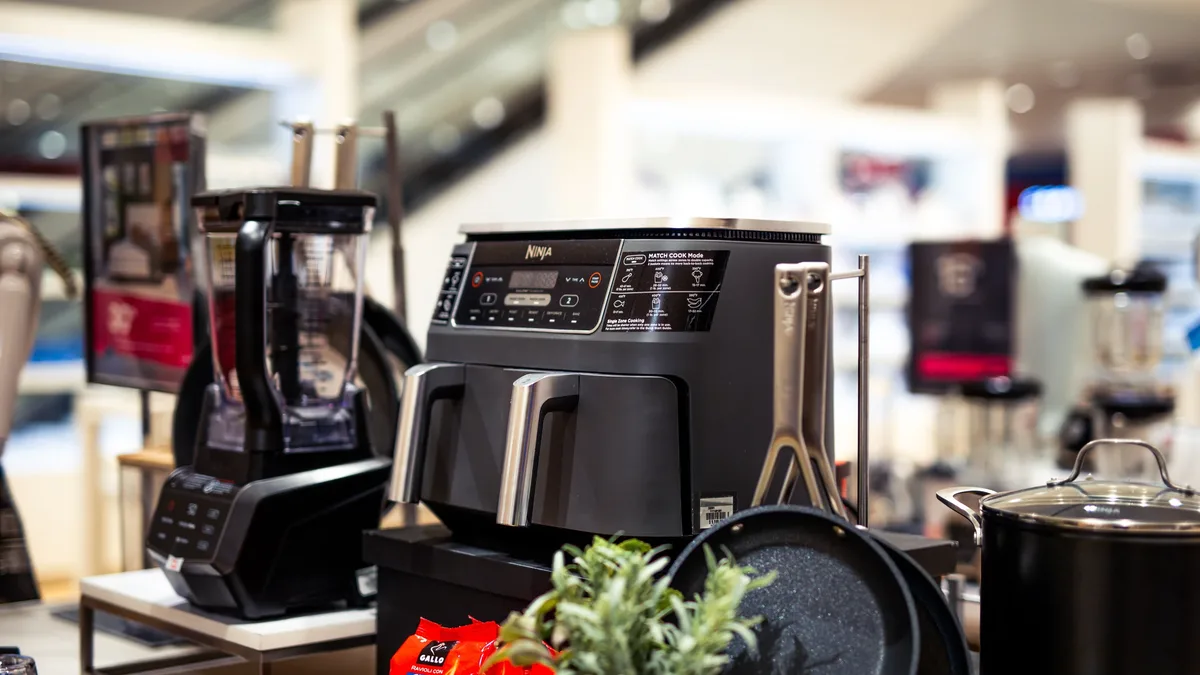
Drew Barrymore's Chocolate Kitchen Appliances Launch
Drew Barrymore's Beautiful Collection expands with a new Chocolate colorway for air fryers, a stand mixer, multi-cooker, and kitchen tools at Walmart
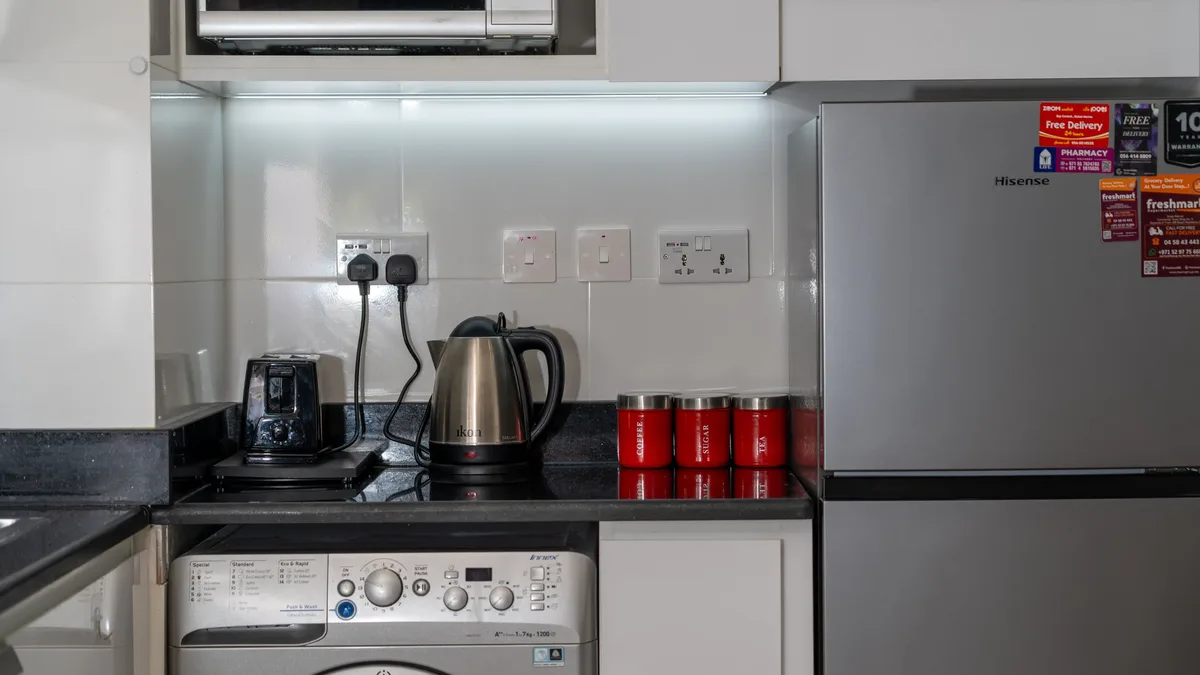
Plug-In Solar Panels: What They Can and Cannot Power
Experts detail which household appliances can be run on plug-in solar panel output and which energy-hungry devices remain beyond their capacity.
Currys customers left without working
Two Currys Ireland customers, Joanne and Jean, report being left for months without functional major kitchen appliances due to faulty goods and poor
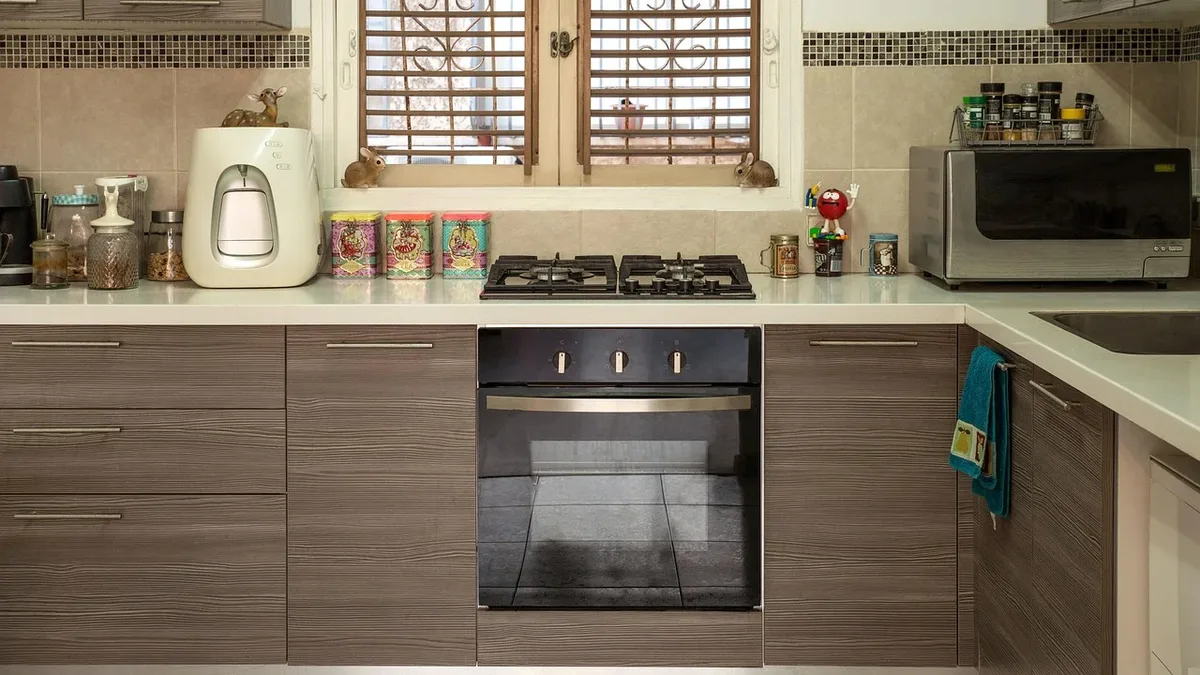
Gift Guide Highlights 12 Kitchen Appliances for Every Home
A new gift guide from Lifehacker recommends 12 kitchen appliances, from multi-cookers to specialty ovens, aimed at upgrading home cooking across...
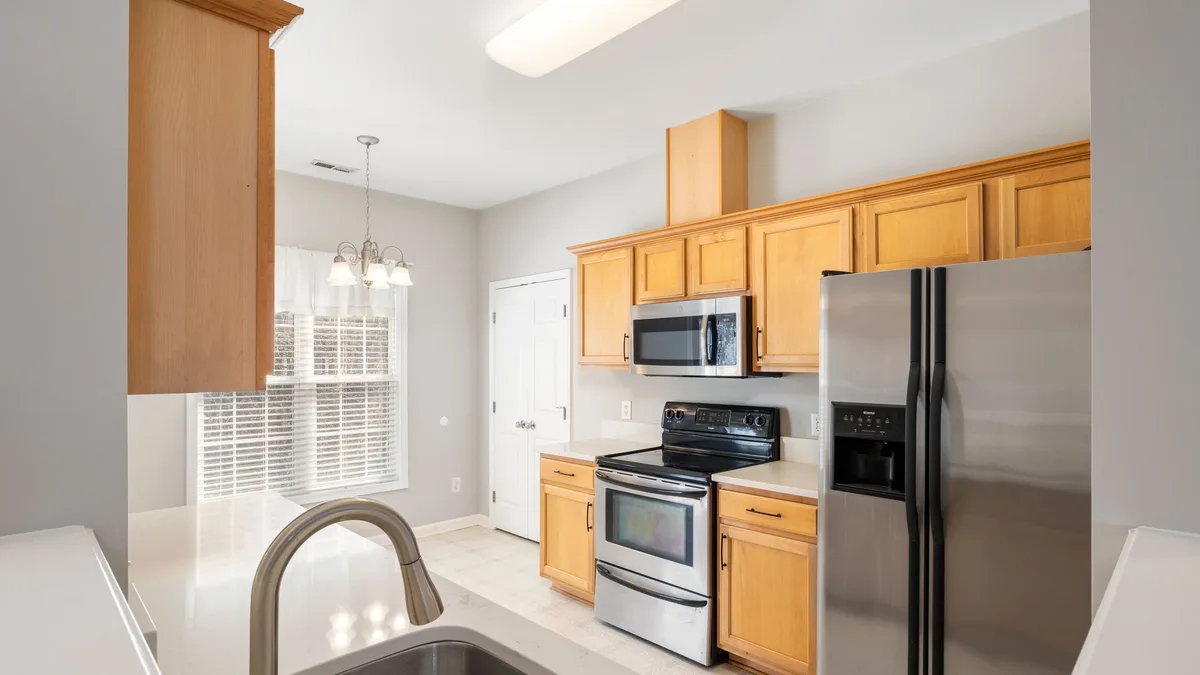
Designers Say Stainless Steel Appliances Are No Longer
Interior designers report a shift away from stainless steel as the dominant kitchen finish, with clients preferring warmer metals, colored enamels...
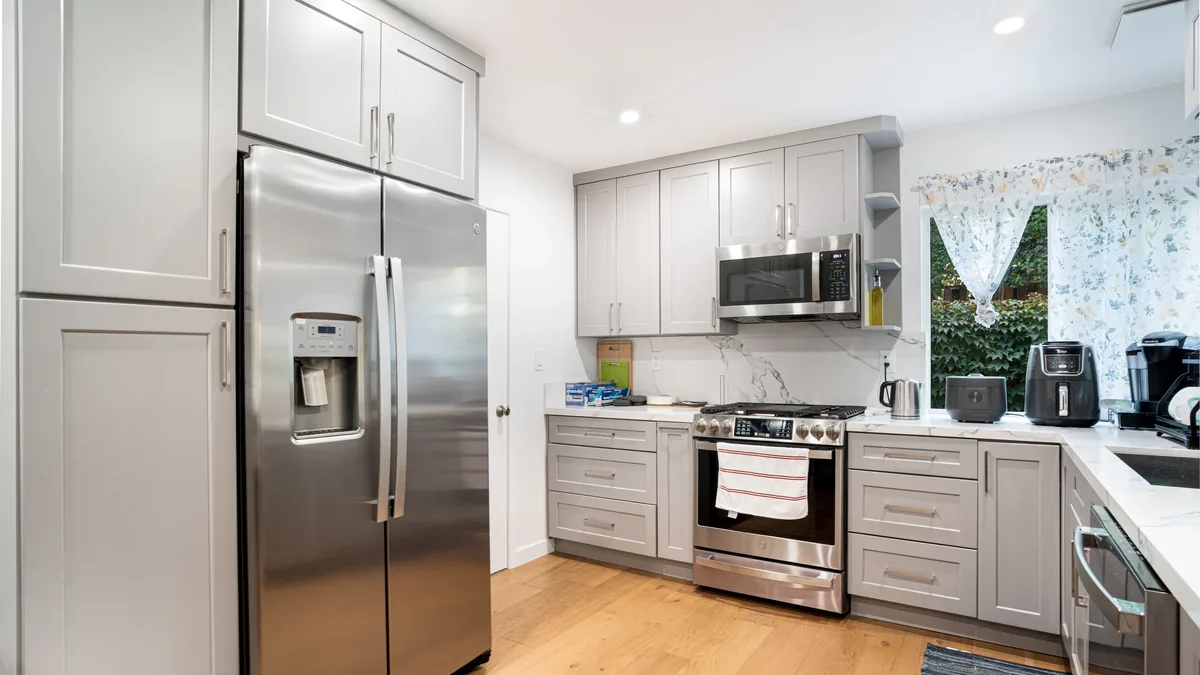
LG Unveils Seven Smart Home Appliances at IFA 2026
LG Electronics showed seven new home appliances at IFA 2026, focusing on AI integration, high energy efficiency, and space-saving designs tailored for