Voltage Variation And How To Protect Appliances
| Voltage standard | 120V (North America), 230V (most other regions) |
|---|---|
| Variation type | Overvoltage (surge/spike) and undervoltage (brownout) |
| Primary protection device | Surge protector (for spikes), voltage regulator or UPS (for brownouts) |
| Appliance vulnerability | Electronics with sensitive microprocessors are most at risk |
| Grid cause | Lightning strikes, downed power lines, heavy equipment cycling on/off |
| Protection level | Whole-house protectors (service panel) and point-of-use protectors (outlet) |
Origin and history
The systematic study of voltage variation and the development of methods to protect appliances emerged as a distinct field of electrical engineering and consumer guidance in the late 20th century. Its development is intrinsically linked to the global expansion of electrical grids and the proliferation of sensitive electronic devices in households and industries. While foundational electrical principles were established earlier, the focused discourse on protection solutions gained significant momentum from the 1970s onward. This period coincided with the widespread adoption of solid-state electronics and microprocessors in appliances, which are far more susceptible to voltage fluctuations than older electromechanical devices. The knowledge base is not attributed to a single country but evolved from practical engineering challenges faced in regions with unstable grid infrastructure, as well as from the increasing complexity of electrical loads in stable grids. Consequently, a vast body of technical standards, application notes, and consumer advice has been compiled by international bodies, manufacturers, and utility companies over the past five decades.
What it is designed for
This body of knowledge is designed to explain the types of voltage variations that occur on electrical power networks and to prescribe methods for safeguarding connected equipment. Its primary purpose is to prevent appliance damage, malfunction, and reduced lifespan caused by deviations from the nominal supply voltage, such as those found in 120V or 230V systems. It addresses specific phenomena including sags (dips), surges (spikes), brownouts (undervoltage), and overvoltage conditions, each posing different risks to different appliance types. The guidance covers both understanding the grid-side causes, such as transformer faults, switching operations, or heavy load demand, and implementing user-side mitigation strategies. It serves to inform decisions ranging from the selection of a simple plug-in surge protector to the installation of whole-house voltage stabilizers or uninterruptible power supplies. Ultimately, it provides a framework for users to assess their local power quality and make cost-effective investments in protection based on the value and vulnerability of their appliances.
Development and versions
The development of protection strategies has progressed in tandem with advancements in power electronics and semiconductor technology. Early solutions were primarily mechanical, such as manual voltage selectors or electromechanical relays that disconnected loads during extreme conditions. The introduction of metal-oxide varistors (MOVs) in the 1970s provided a solid-state component for clamping transient voltage spikes, leading to the widespread production of consumer-grade surge protection power strips. Subsequently, the development of more sophisticated devices like automatic voltage regulators (AVRs) and online double-conversion uninterruptible power supplies (UPS) offered comprehensive protection against a wider range of anomalies. International standards, such as IEC 61000-4-11 for testing immunity to voltage dips, have been established to benchmark appliance robustness and protection device performance. Modern iterations increasingly incorporate digital monitoring, self-diagnostics, and communication capabilities, allowing users to log power events. The field continues to evolve with the integration of renewable energy sources and smart grid technologies, which introduce new dynamics to power quality management.
Pros and cons
A primary advantage of applying this knowledge is the direct prevention of costly appliance repairs or replacements, particularly for sensitive electronics like computers, refrigeration compressors, and audio-visual equipment. Effective protection can also enhance energy efficiency, as motors running on incorrect voltage often draw more current and overheat. However, a significant con is the potential for a false sense of security; a cheap surge protector with a single MOV can degrade after one major spike without the user's knowledge, leaving appliances unprotected. Furthermore, over-reliance on corrective devices can obscure the need for proper electrical installation, such as adequate grounding, which is fundamental. A common mistake is underestimating the threat of sustained undervoltage (brownouts) to motorized appliances, which no basic surge protector can mitigate, requiring a more expensive voltage stabilizer. Users often regret choosing protection devices based solely on price or promised joule ratings without verifying relevant certifications like UL 1449, which standardizes performance claims.
Who it suits
This information is essential for consumers and businesses operating in regions with known unstable grid infrastructure, characterized by frequent voltage fluctuations, outages, or poor power quality. It is equally critical for owners of high-value, sensitive appliances, such as home theater systems, gaming PCs, medical equipment, or professional refrigeration, regardless of grid reliability. Small businesses that cannot afford operational downtime or data loss from power events will find the guidance on UPS systems particularly applicable. Industrial and agricultural users with large motor loads also require this knowledge to protect capital-intensive machinery from damage due to voltage sags. Conversely, those in areas with exceptionally stable and well-regulated grids, and who own only robust, basic appliances with manual resets, may find the cost of advanced protection solutions unnecessary. Ultimately, it suits any informed individual seeking to conduct a risk-benefit analysis between the cost of protection devices and the potential financial loss from appliance failure.
Latest Voltage Variation And How To Protect Appliances news
Latest reporting
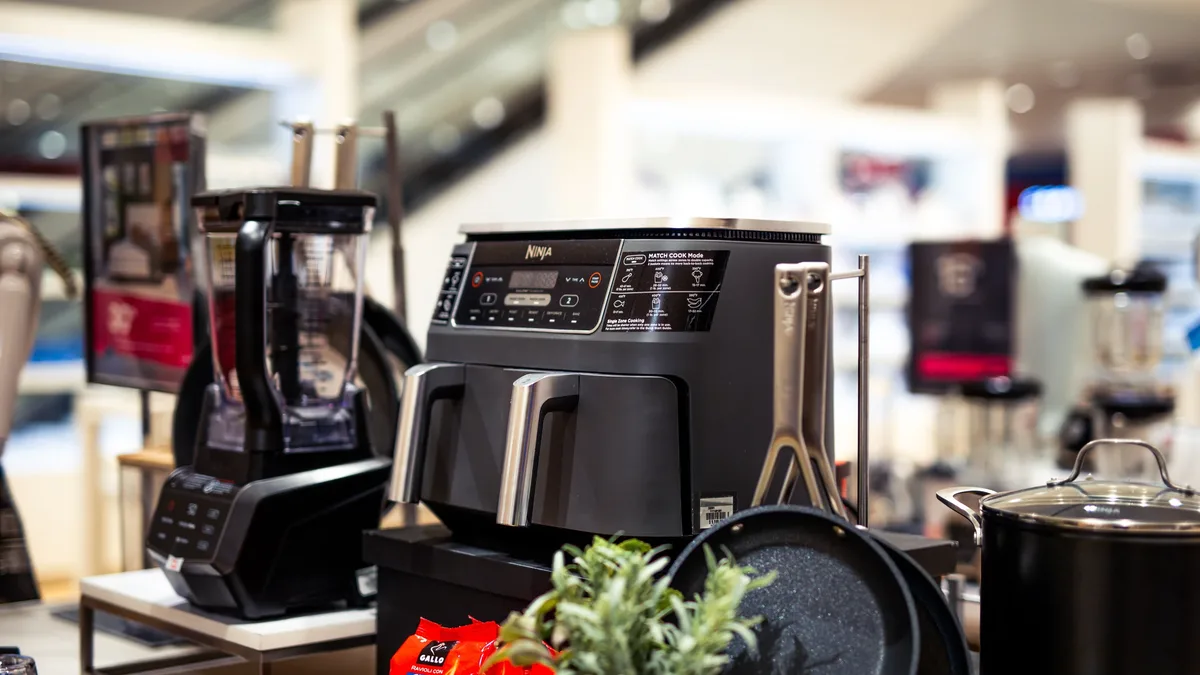
Drew Barrymore's Chocolate Kitchen Appliances Launch
Drew Barrymore's Beautiful Collection expands with a new Chocolate colorway for air fryers, a stand mixer, multi-cooker, and kitchen tools at Walmart
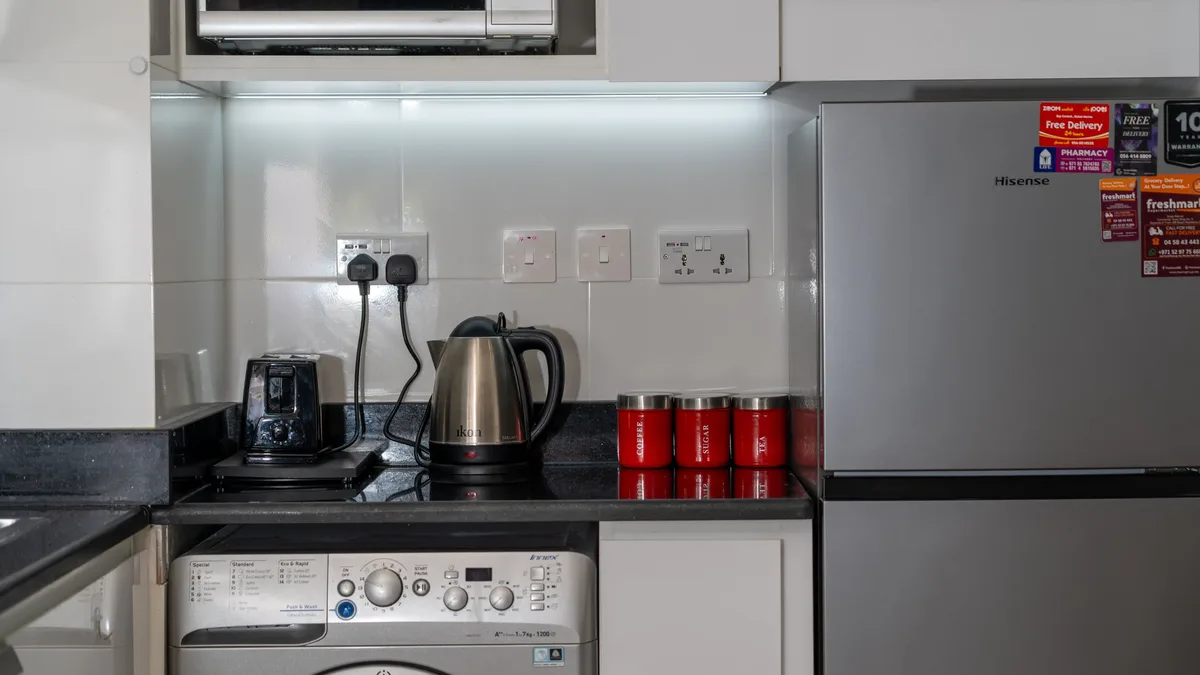
Plug-In Solar Panels: What They Can and Cannot Power
Experts detail which household appliances can be run on plug-in solar panel output and which energy-hungry devices remain beyond their capacity.
Currys customers left without working
Two Currys Ireland customers, Joanne and Jean, report being left for months without functional major kitchen appliances due to faulty goods and poor
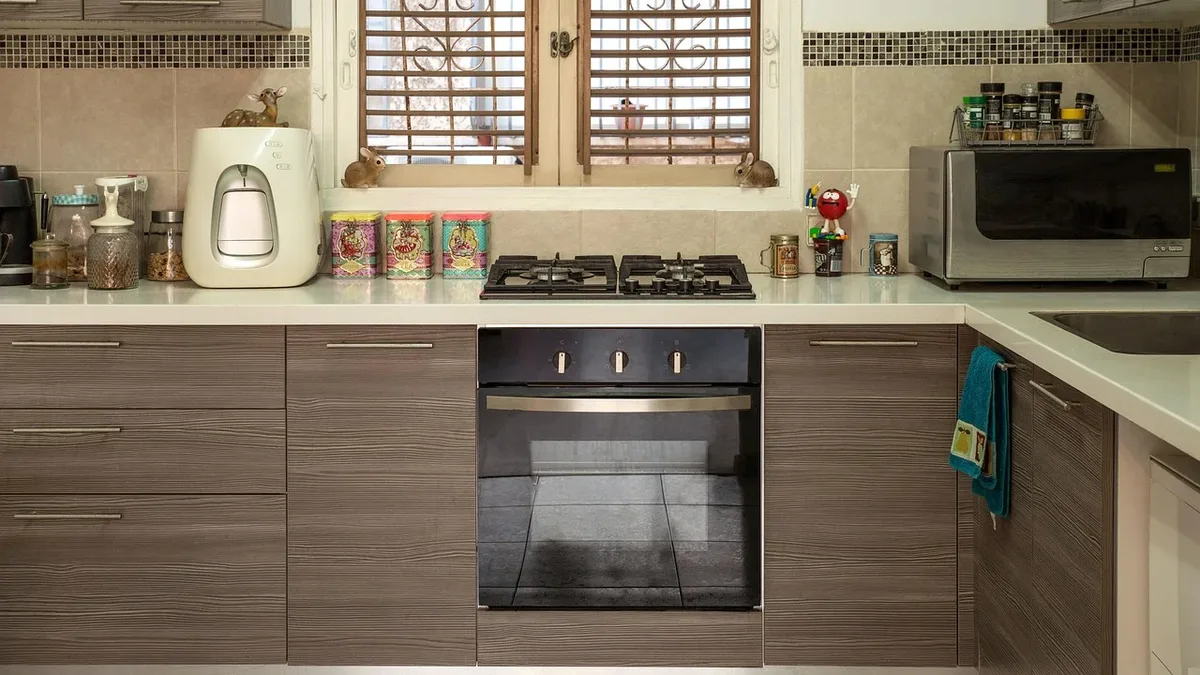
Gift Guide Highlights 12 Kitchen Appliances for Every Home
A new gift guide from Lifehacker recommends 12 kitchen appliances, from multi-cookers to specialty ovens, aimed at upgrading home cooking across...
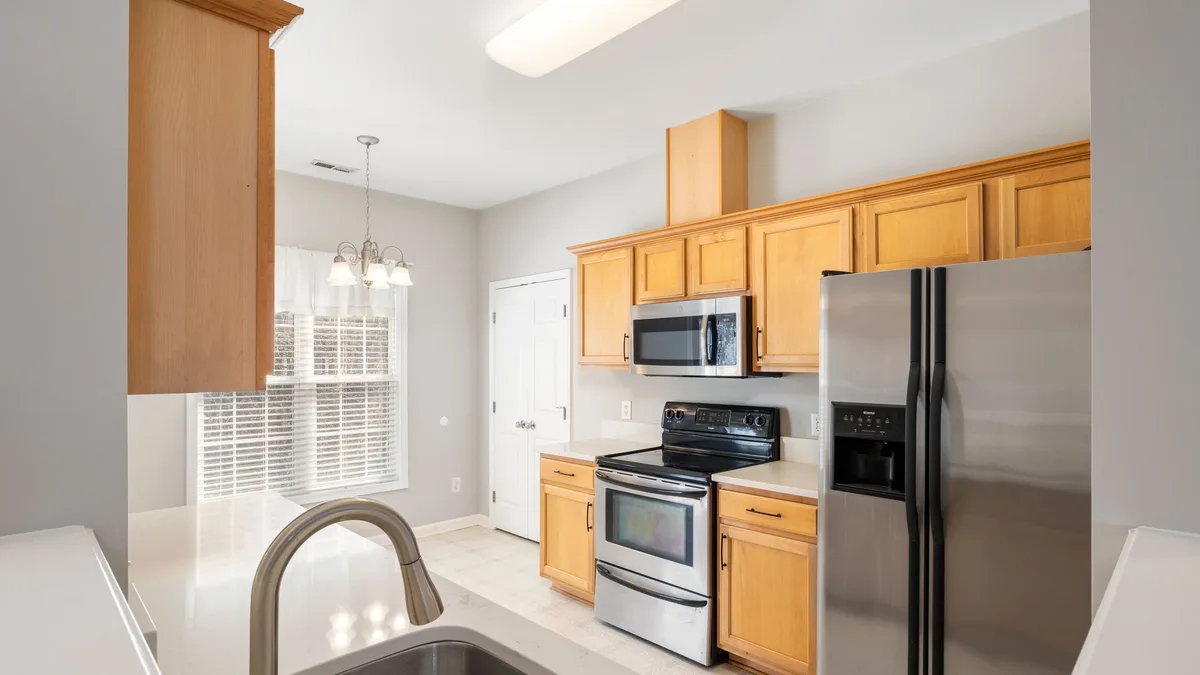
Designers Say Stainless Steel Appliances Are No Longer
Interior designers report a shift away from stainless steel as the dominant kitchen finish, with clients preferring warmer metals, colored enamels...
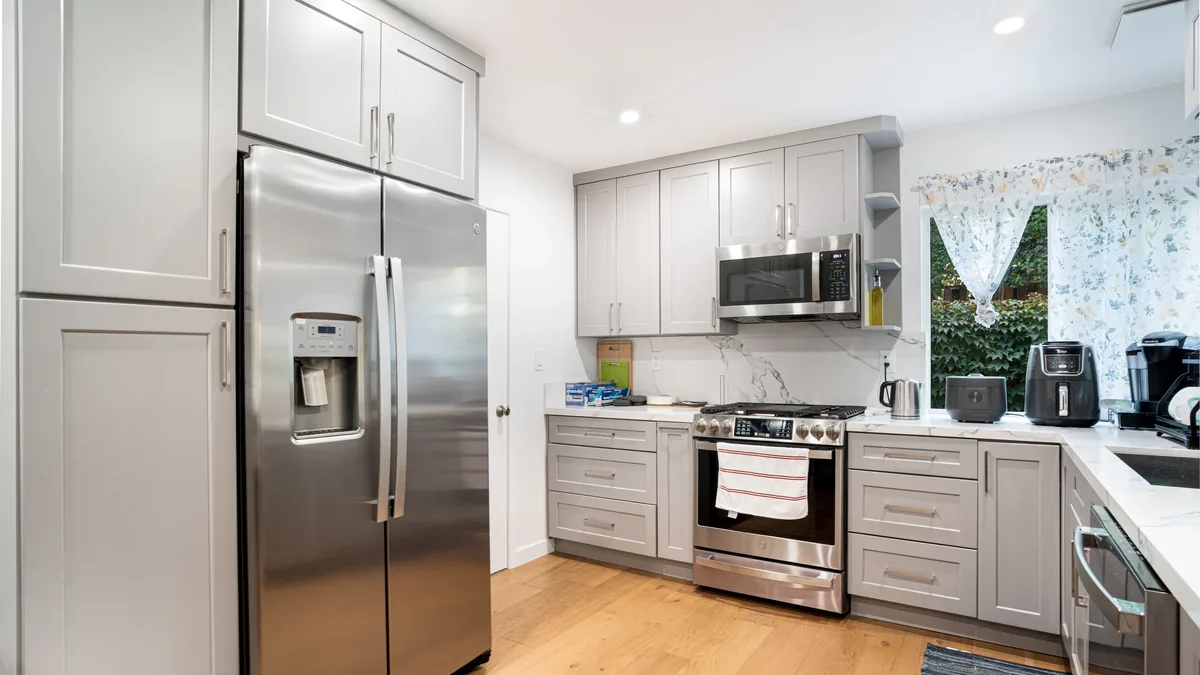
LG Unveils Seven Smart Home Appliances at IFA 2026
LG Electronics showed seven new home appliances at IFA 2026, focusing on AI integration, high energy efficiency, and space-saving designs tailored for