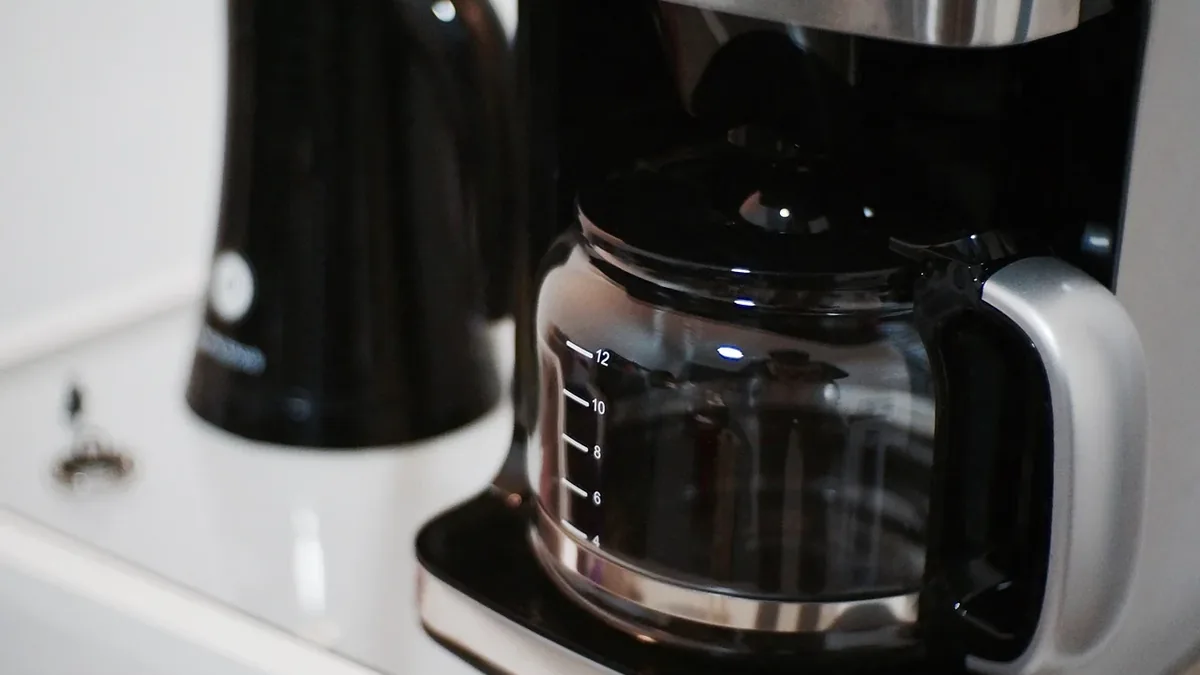
Coffee Machine For Home
| Type | Drip, Espresso, Pod/Capsule, or Bean-to-Cup |
|---|---|
| Power consumption | Typically 800 to 1500 watts |
| Voltage | 110–120V or 220–240V, region-dependent |
| Water reservoir capacity | 0.5 to 2.5 liters |
| Original use | Brewing coffee for home consumption |
| Country of origin | Varies by manufacturer |
| First created | Late 19th century |
Origin and history
The modern electric coffee machine for home use originated in Germany in the early 20th century. The first commercially successful device was the Wigomat, invented by Gottlob Widmann in 1954, which introduced the pump-driven system that became standard. This development built upon earlier manual and percolator designs that had been in use since the 19th century. The widespread adoption of home coffee machines accelerated in the 1970s across Europe and North America with the rise of consumer appliance culture. The introduction of the pod-based system by Nespresso in 1986 marked another significant evolution in home coffee preparation. These machines transformed coffee from a primarily stove-top preparation to a convenient, automated kitchen task.
What it is designed for
A home coffee machine is designed to automate the process of brewing coffee from ground beans or pre-portioned pods into a liquid beverage. Its primary function is to consistently heat water to an optimal temperature, typically between 195°F and 205°F, and pass it through coffee grounds under pressure. The machine is engineered to extract the flavors and oils from the coffee while filtering out the solid grounds for a clean cup. It is built for countertop use in a domestic kitchen, balancing footprint with reservoir capacity for daily household needs. Modern designs often incorporate programmable features, such as timers and strength settings, to customize the brew. The overarching design goal is to provide a convenient and repeatable method of coffee preparation that mimics café quality without manual skill.
Development and versions
Development has branched into several distinct versions, each with different brewing mechanisms and user interfaces. The drip coffee maker, which became dominant in American households, uses gravity to pass hot water through a filter basket containing ground coffee. Espresso machines for the home evolved from commercial models, utilizing either a steam-driven system, a pump, or a capsule mechanism to create pressure. Single-serve pod or capsule machines, which surged in popularity in the early 21st century, prioritize convenience and consistency with pre-measured doses. Fully automatic bean-to-cup machines integrate a grinder, tamper, and brewer into one unit, offering the most hands-off experience. Manual pour-over devices with electric kettles represent a hybrid approach, appealing to users seeking more control. Each version represents a trade-off between convenience, cost, control, and the quality of the final beverage.
Best Coffee Machine For Home
The best machine is not a single model but depends entirely on the user's priorities for convenience, beverage type, and budget. For households that primarily drink filter coffee and value simplicity, a programmable drip machine with a thermal carafe is often the most practical choice. Enthusiasts seeking authentic espresso and milk-based drinks typically require a pump-driven machine with a decent steam wand, often in the mid-price range. Those prioritizing speed, minimal cleanup, and variety may find a single-serve pod system to be the best fit for their daily routine. Bean-to-cup super-automatic machines are best for users who drink espresso frequently and are willing to invest in convenience and consistency. The best machine ultimately balances the desired coffee style with the user's willingness to perform maintenance, such as descaling and cleaning.
Coffee Machine For Home brands
The market is segmented with brands often specializing in particular types of machines. Braun, Melitta, and Technivorm are historically significant and respected brands within the drip coffee maker segment, known for reliability and brew quality. For espresso, brands like De'Longhi, Gaggia, and Breville offer a range of pump-driven machines from entry-level to semi-professional models for the home. Nespresso and Keurig are the dominant proprietary systems in the single-serve capsule and pod market, each with a vast ecosystem of beverage options. Miele and Jura are premium Swiss and German brands specializing in high-end, fully automatic bean-to-cup machines with extensive programmability. Saeco and Philips are also major players in the automatic segment, offering sophisticated technology at various price points. Many large appliance conglomerates, like Whirlpool (which owns Mr. Coffee), also produce basic models for the mass market.
Coffee Machine For Home problems
Common problems include limescale buildup from mineral-rich water, which clogs internal tubes and heating elements if not regularly descaled. Machines with small or complex internal pathways, particularly espresso and pod models, are prone to clogging from coffee oils and fine grounds. The heating plates on drip machines can scorch coffee if left on for extended periods, while thermal carafes can develop odors or fail to insulate properly over time. Pod systems generate significant non-recyclable or difficult-to-recycle waste, and proprietary capsules create ongoing cost and brand lock-in for the user. Espresso machines require a learning curve for proper tamping and grinding, often leading to user frustration and inconsistent results. Electronic control boards in programmable models can fail due to moisture or power surges, rendering the machine inoperable.
Pros and cons
A primary pro is the significant convenience and time savings offered, providing a consistent beverage at the push of a button compared to manual methods. Higher-end machines can produce coffee quality that approaches that of a professional café, particularly for espresso-based drinks. A major con is the ongoing maintenance requirement, including descaling, cleaning of brew groups, and part replacements like seals and filters, which users often neglect. The environmental impact of single-use pods is a substantial drawback, despite some recycling programs, and the per-cup cost is high. Many users regret purchasing complex espresso machines after realizing the daily ritual of grinding, tamping, and cleaning is more involvement than they desired. A common mistake is buying a machine with more features than needed, leading to countertop clutter and confusion, or underestimating the importance of a quality grinder for non-pod systems.
Who it suits
Drip coffee makers suit households that consume multiple cups of standard filter coffee simultaneously and prioritize simplicity and large capacity. Pod machines suit individuals or offices where convenience, speed, minimal cleanup, and a variety of drink options are the highest priorities. Pump-driven espresso machines with steam wands suit hobbyists who enjoy the process of crafting milk-based drinks and are willing to learn and maintain the equipment. Fully automatic bean-to-cup machines suit busy households with a high daily espresso consumption and the budget to pay for hands-off operation and consistency. Manual lever or pour-over devices with electric kettles suit purists who value control over every variable in the extraction process and consider brewing a ritual. Basic, inexpensive models suit occasional users, vacation homes, or as a reliable backup appliance where advanced features are unnecessary.
Latest Coffee Machine For Home news
Latest reporting
Fall home reset focuses on bedding
A seasonal home reset swaps lightweight bedding for warmer layers, adds heavier textiles, and incorporates natural elements to create a cozy fall

CEDIA Announces 2026 Smart Home Awards Winners
CEDIA has revealed the winners of its 2026 Smart Home Awards Americas, honoring top projects, products, businesses, and individuals in the smart home
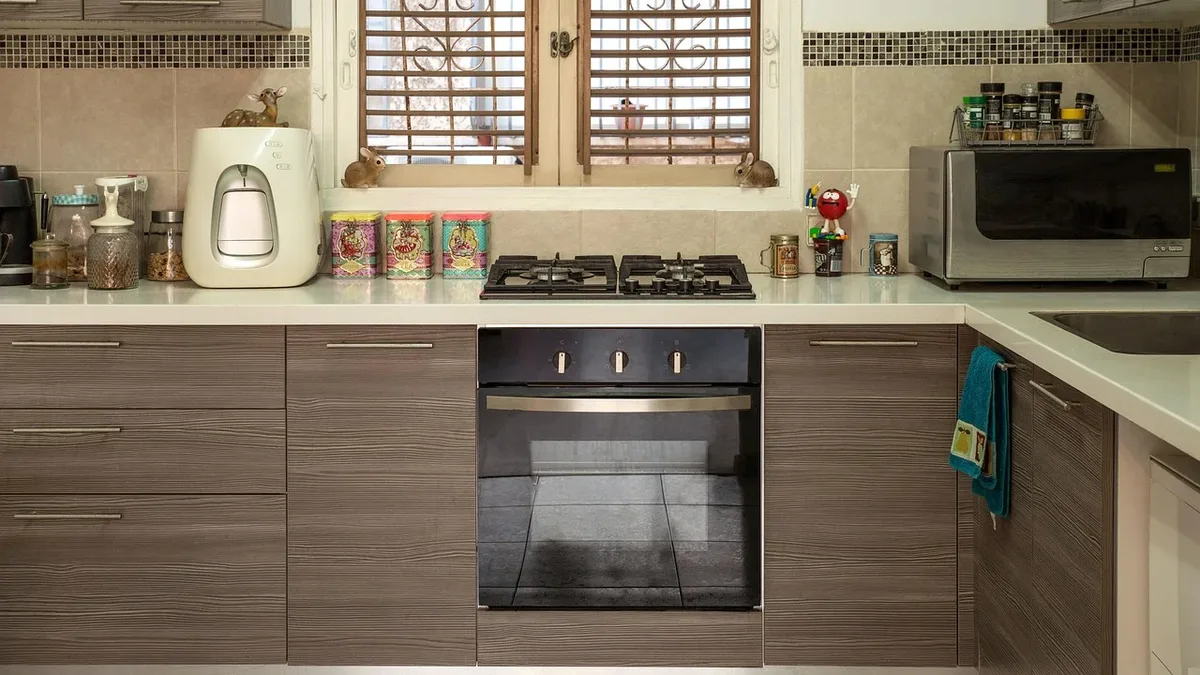
Gift Guide Highlights 12 Kitchen Appliances for Every Home
A new gift guide from Lifehacker recommends 12 kitchen appliances, from multi-cookers to specialty ovens, aimed at upgrading home cooking across...
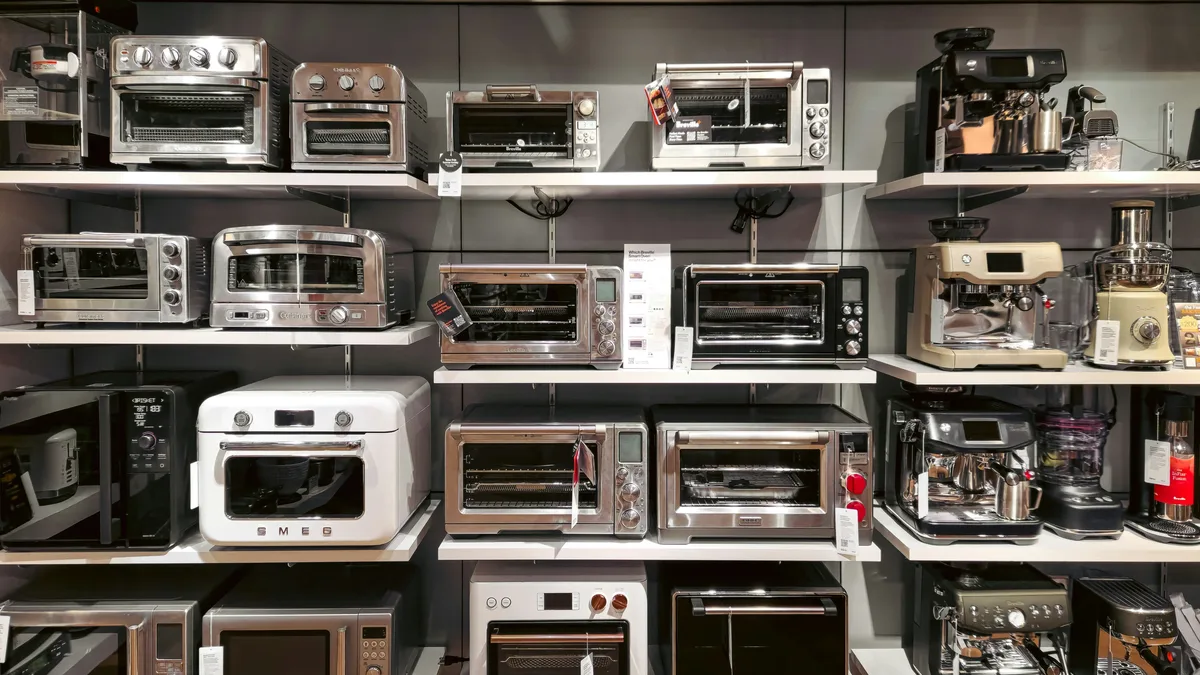
Midea Owns 10 Major Home Appliance Brands
Midea Group, a Chinese appliance giant, owns a portfolio of 10 home appliance brands ranging from budget to luxury, including Toshiba, Eureka, and...
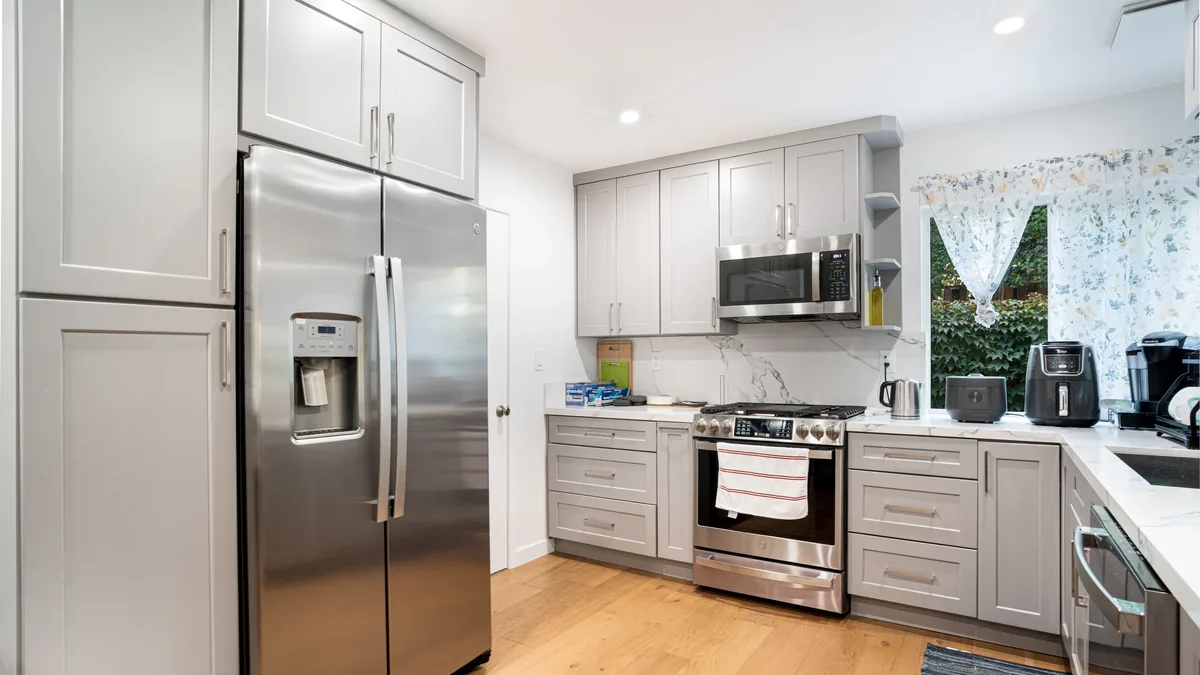
LG Unveils Seven Smart Home Appliances at IFA 2026
LG Electronics showed seven new home appliances at IFA 2026, focusing on AI integration, high energy efficiency, and space-saving designs tailored for
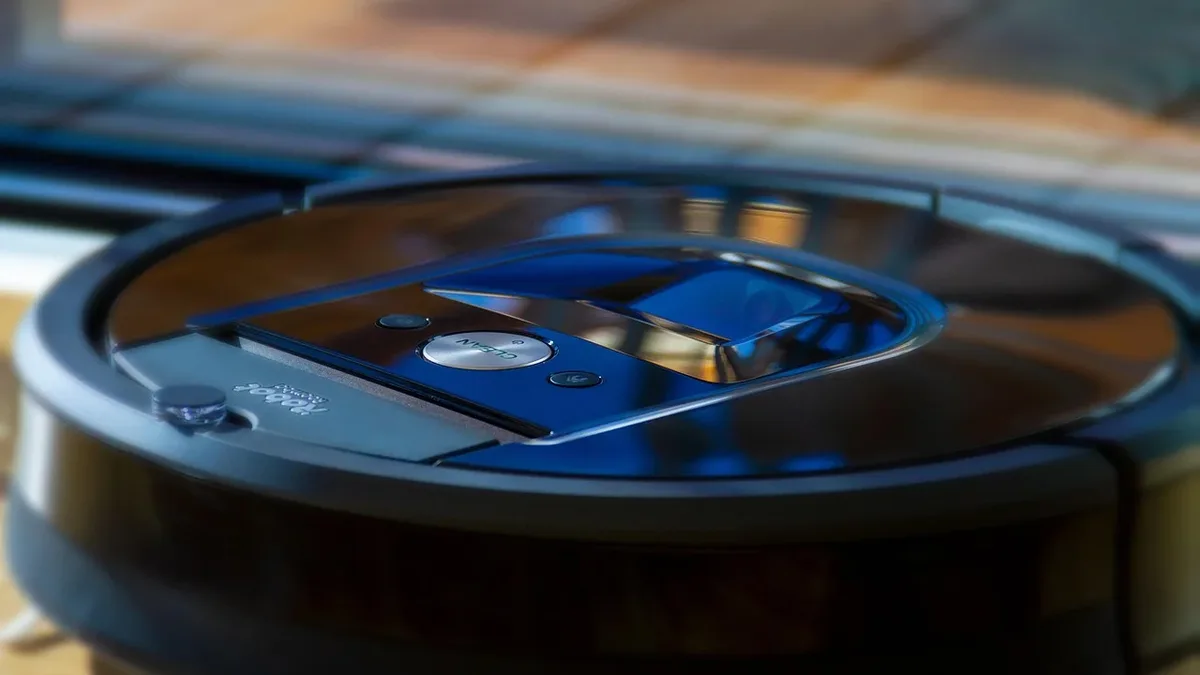
Tineco S9 Pro debuts at IFA 2026
Tineco showcased its 'The Future Cleans Itself' smart home care lineup at IFA 2026, headlined by the automated Floor One Station S9 Scientist Pro...