Standby Power Use
Origin and history
Standby power use, often called "phantom load" or "vampire power," is a phenomenon inherent to the design of modern electrical appliances. It originated as a global issue alongside the proliferation of consumer electronics and mains-powered devices in the latter half of the 20th century. The specific term gained widespread recognition in energy policy and engineering circles during the 1990s and 2000s as studies quantified its aggregate impact. Its origins are not tied to a single country but are a direct consequence of the international adoption of features like remote control receivers, continuous clock displays, and soft-touch power switches. The historical development of standby power is linked to the transition from mechanical, physical on/off switches to electronic controls requiring constant low-level power. This shift was driven by consumer demand for convenience and instant-on functionality, without initial regard for the cumulative energy consequences.
What it is designed for
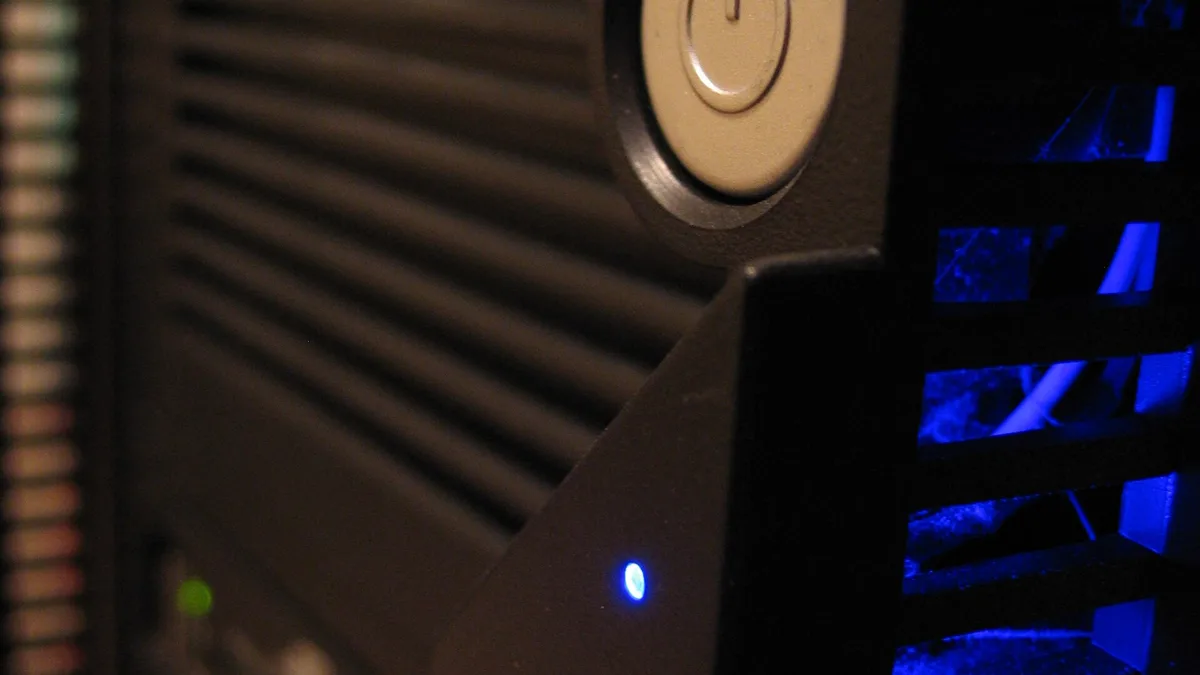
Standby power is not a designed feature in itself but an unintended byproduct of specific design choices aimed at enhancing user convenience. It is designed to allow appliances to remain in a state of readiness, enabling them to respond instantly to a remote control signal or a soft-touch command. This mode maintains circuits that power features like digital clocks, memory settings, network connectivity, and sensor monitoring even when the device appears to be off. For many appliances, standby power is essential for maintaining programmed settings, receiving software updates, or keeping internal batteries charged. In devices like televisions and audio systems, it powers the infrared receiver that listens for a remote control signal. Ultimately, this power state is designed to prioritize immediate user access and functionality over continuous energy conservation.
Development and versions
The nature and magnitude of standby power use have evolved significantly across different generations of appliance technology. Early versions, prevalent in the late 20th century, often consumed substantial power, sometimes 10 watts or more, to keep simple transformers or rudimentary circuits active. Subsequent development focused on reducing this draw, leading to versions with improved power supply designs and more efficient low-power modes. The introduction of regulatory standards and voluntary labeling programs, such as Energy Star, created distinct versions of appliances classified by their standby power consumption, often mandating draws of one watt or less for certain categories. Modern versions incorporate advanced power supplies, better circuit design, and sometimes mechanical relays that physically disconnect power, achieving standby consumption below 0.5 watts. Networked "smart" appliances represent a new version, where standby power must also maintain persistent internet connectivity, sometimes offsetting efficiency gains from other components.
Pros and cons
It enables valuable features like scheduled recordings, remote activation, and the maintenance of critical settings. A significant con is the silent, cumulative energy waste, which can constitute a measurable percentage of a household's or business's total electricity consumption over time. Users often regret the choice of appliances with high standby loads when they receive unexpectedly high utility bills and discover the culprit through an energy audit. A common mistake is assuming a device is "off" because it is not performing its primary function, while it continues to draw power for non-essential features. Another genuine drawback is that this constant low-level operation can contribute to the premature wear of internal components, potentially shortening the appliance's overall lifespan.
Who it suits
Standby power functionality suits users for whom instant access and networked convenience are paramount and who are less concerned about incremental energy costs. It is well-suited to commercial and office environments where equipment like printers, copiers, and network hardware must remain instantly available to multiple users. Individuals with mobility issues or those who rely heavily on integrated smart home systems may find the benefits of remote readiness outweigh the energy trade-off. Conversely, this feature is poorly suited for energy-conscious consumers, those living off-grid or with very limited power budgets, and for appliances in rarely used guest rooms or seasonal settings. It is also ill-suited for any device where the primary function is infrequently needed, as the standby energy cost over time can approach or exceed the energy used during active periods.
Latest Standby Power Use news
Latest reporting
Plug-In Solar Panels: What They Can and Cannot Power
Experts detail which household appliances can be run on plug-in solar panel output and which energy-hungry devices remain beyond their capacity.
Sony's New ULT Tower Party Speakers Launched
Sony expands its ULT Power Sound line with three new wireless party speakers, the ULT Tower Max, Tower 7, and Tower 5, offering powerful bass...

Robot Pool Cleaner Tests: Efficiency Beats
Lab tests show a robotic pool cleaner's cleaning efficiency, often boosted by AI navigation, is more important than its raw suction power for...
Plug-in solar savings: the real numbers
Plug-in solar kits under 800VA are now legal in the UK, but savings are modest. Without a battery, realistic annual savings range from £40 to £110...
Xiaomi's Mi Home 2 Pro: A Smart Aquarium That Handles It All
Xiaomi introduces the Mi Home 2 Pro, an all-in-one smart aquarium designed to simplify fishkeeping with integrated filtration, lighting, feeding, and...
Lidl to Stock Regletas Extensoras de Enchufes from Tronic for 9.99 Euros
Lidl has announced that it will be stocking regletas extensoras de enchufes from Tronic, a high-power extension lead with multiple outlets, for 9.99...