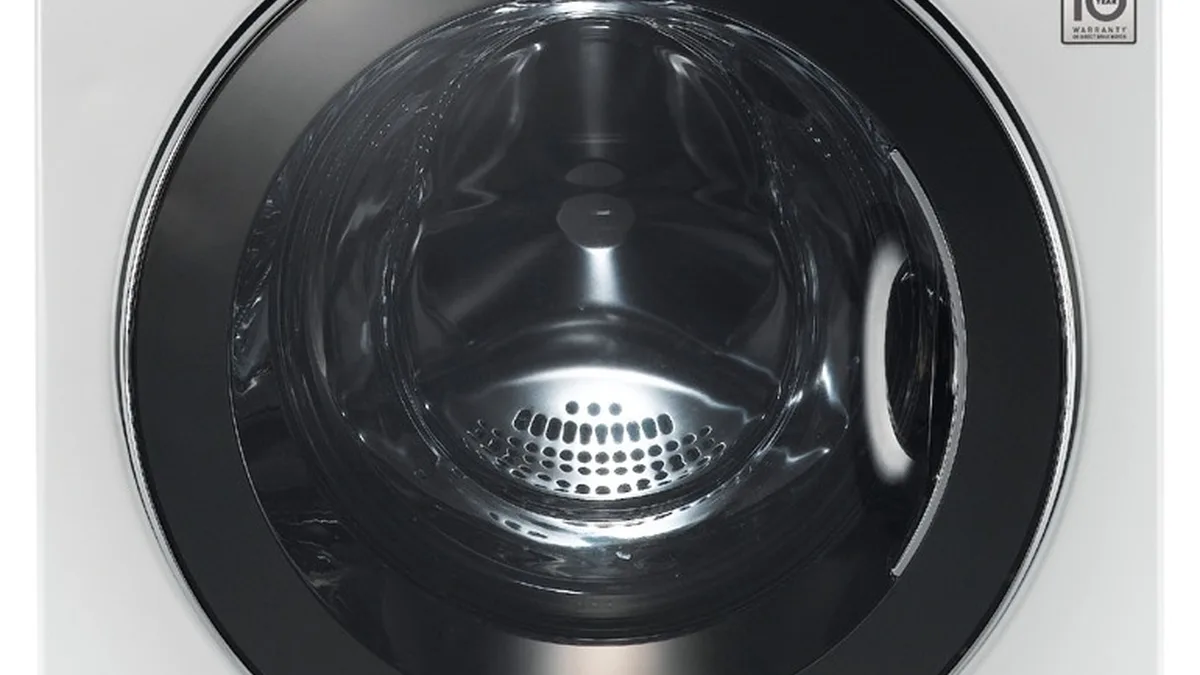
Washing Machine Filters And Drum Cleaning
Origin and history
The practice of cleaning washing machine filters and drums originated in Europe and North America alongside the widespread domestic adoption of automatic washing machines in the mid-20th century. As these appliances became common household fixtures from the 1960s onward, the need for routine maintenance to ensure their function became apparent. Manufacturer recommendations for filter cleaning and drum hygiene were established during this period as essential to machine longevity. The specific procedure is not a modern invention but a standardized maintenance response to the design of these appliances. This maintenance knowledge was disseminated through user manuals and later through extended warranty requirements. Its history is intrinsically linked to the evolution of the domestic washing machine from a luxury item to a universal appliance requiring care.
What it is designed for
This maintenance procedure is designed to remove accumulated debris, lint, and foreign objects from the machine's internal filter system. It specifically aims to prevent blockages in the drain pump, which can lead to drainage failures and costly repairs. Concurrent drum cleaning is designed to eliminate residual detergent, fabric softener, and mineral deposits that build up on the drum and inner tub. This buildup can create a biofilm that harbors mold, mildew, and unpleasant odors that transfer to laundry. The process is fundamentally preventive, intended to maintain optimal washing performance and water drainage efficiency. Its core purpose is to sustain the appliance's intended function and hygiene over many years of use.
Development and versions
The development of this practice has evolved directly in response to changes in washing machine design and detergent formulations. Early top-loading machines often had more accessible lint traps or filters, requiring simple manual removal and rinsing. The shift toward front-loading machines in the late 20th century introduced more complex filter locations, often behind a service panel, and increased the focus on drum mold due to sealed door designs. Manufacturer instructions have become more detailed, often specifying the use of dedicated washing machine cleaners or hot cycles with vinegar or bleach. The "version" of this procedure varies significantly by brand and model, with filter types ranging from simple mesh screens to self-cleaning pump filters. The underlying principle, however, remains consistent across all versions: the regular physical removal of debris and chemical dissolution of deposits.
Pros and cons
A primary pro is the significant extension of the machine's operational lifespan by preventing pump motor burnout and drainage hose blockages. It also ensures hygienic cleaning results by preventing odor-causing bacteria and mold from contaminating laundry. This routine maintenance can improve energy and water efficiency by allowing the machine to operate without obstructions. A major con is that the process is often physically unpleasant, involving handling soggy lint, hair, and small debris removed from the filter. Many users regret neglecting this task only after a drainage failure occurs, which typically happens at an inconvenient time and necessitates an emergency repair. The common mistake is performing the drum clean cycle without first cleaning the filter, rendering the cleaning cycle less effective as water flow remains partially restricted.
Who it suits
This maintenance practice suits any household that relies heavily on its washing machine and wishes to avoid disruptive and expensive breakdowns. It is particularly suited to owners of front-loading washing machines, which are more prone to mold and odor issues if not maintained. It suits detail-oriented individuals who follow appliance manuals and preventive maintenance schedules to protect their investment. The procedure is also well-suited to areas with hard water, where mineral scale buildup in the drum and heating element is accelerated. Conversely, it is poorly suited to those who expect appliances to function indefinitely without any intervention, as neglect will inevitably lead to a failure. It is a necessary practice for anyone living in a region with an unstable electrical grid, as it reduces one potential cause of appliance stress when power returns.
Latest Washing Machine Filters And Drum Cleaning news
Latest reporting
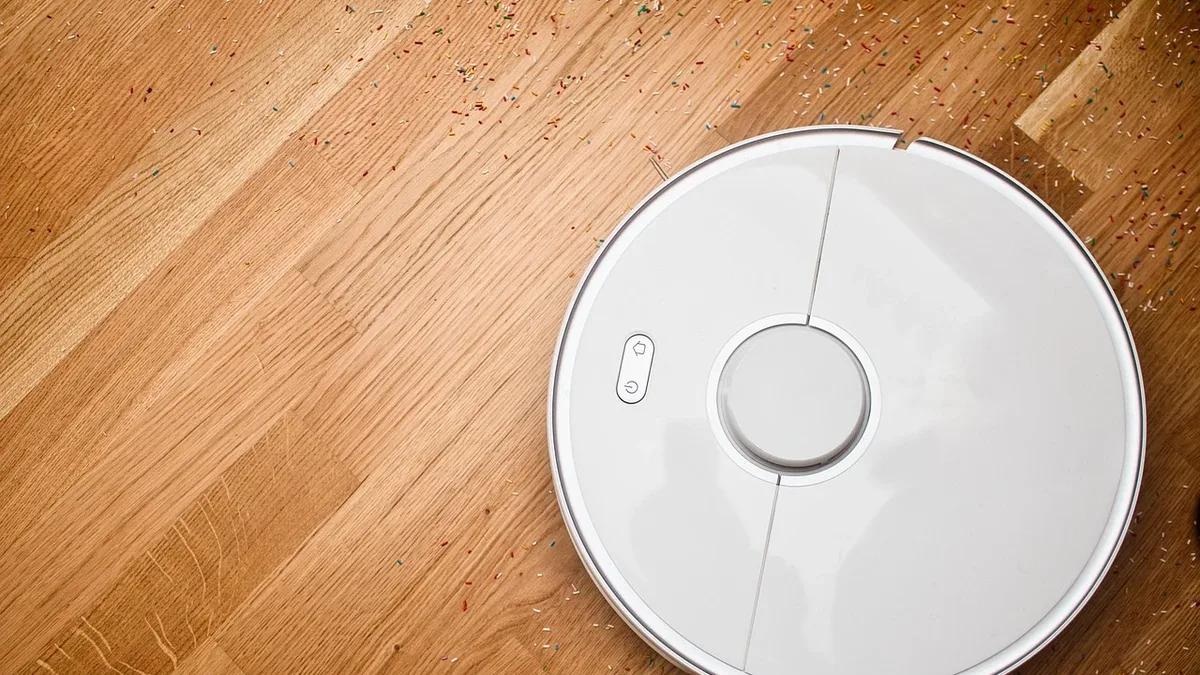
iRobot Roomba Max 875 uses SealForce carpet
iRobot's new flagship Roomba Max 875 Combo uses a sealing system to drive dirt from deep within carpets. The $1,199 vacuum-and-mop robot features a...

Philips Baristina Coffee Machine Deal
A Philips Baristina bean-to-cup coffee machine is available at a 26% discount, bringing its price down to AU$444.
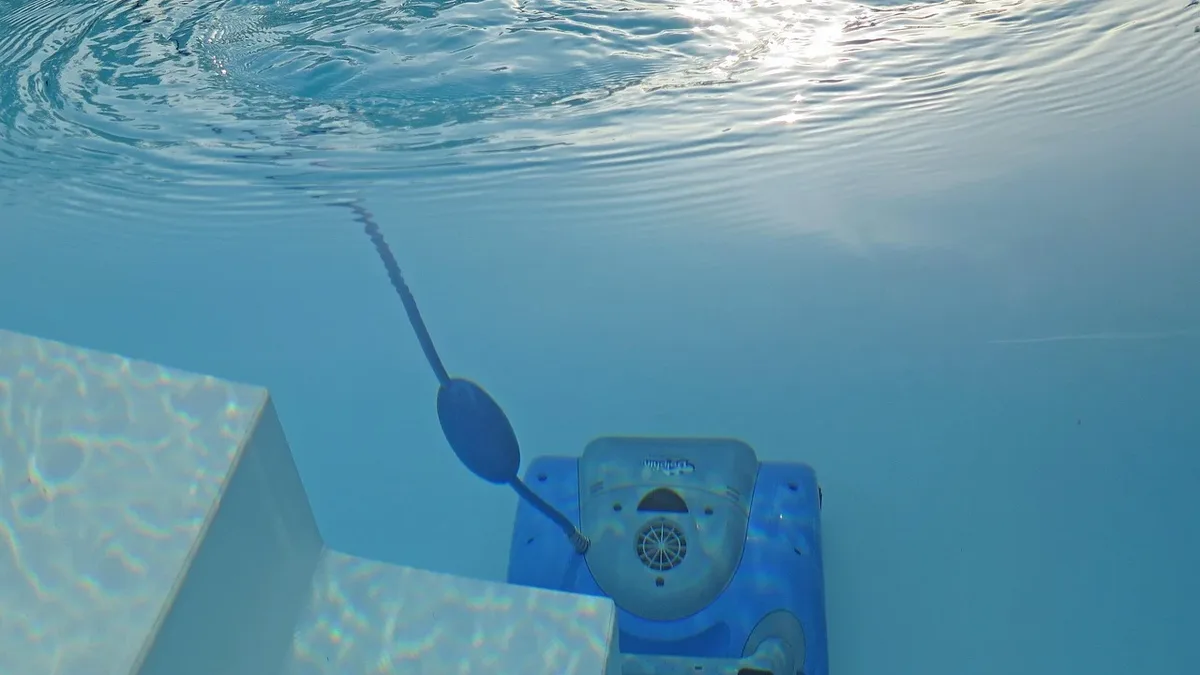
Robot Pool Cleaner Tests: Efficiency Beats
Lab tests show a robotic pool cleaner's cleaning efficiency, often boosted by AI navigation, is more important than its raw suction power for...
Cleaning Expert Tips: How to Leave Your Window Blind Cords Spotless
Two cleaning experts, Julia and Natalia, share a simple and effective method to clean window blind cords using common household items.