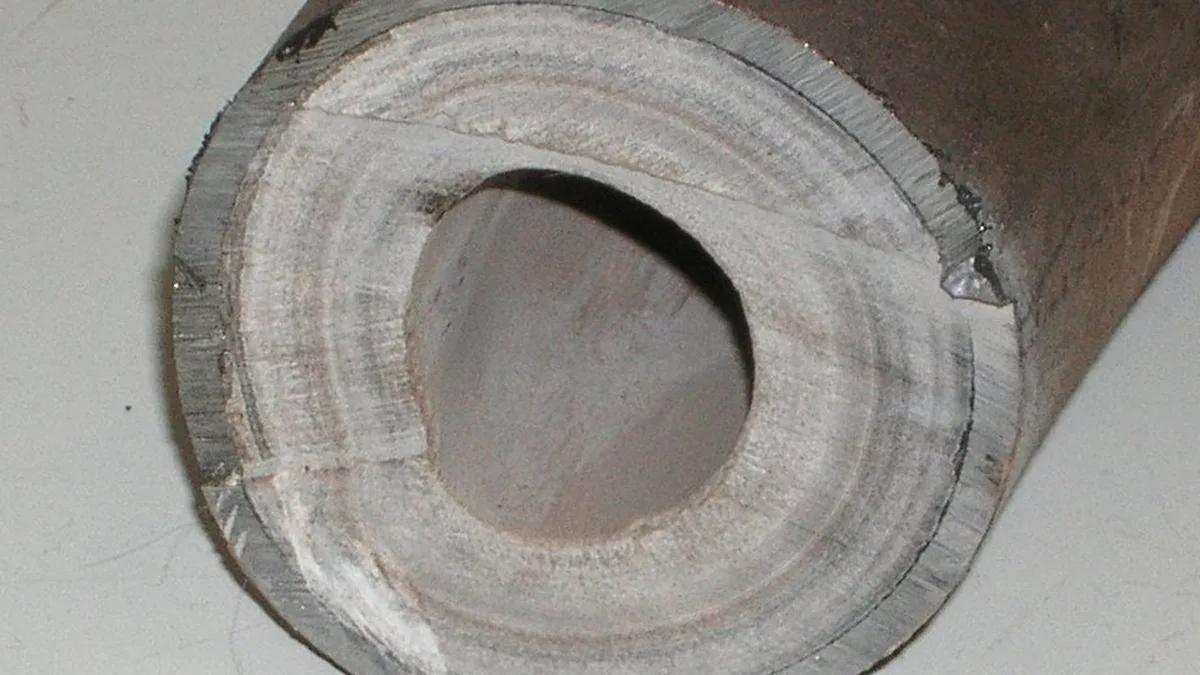
Descaling And Hard Water Damage
| Appliance | Electric kettle, coffee maker, washing machine, dishwasher, water heater, humidifier |
|---|---|
| Primary cause | Dissolved calcium and magnesium minerals (limescale) |
| Damage mechanism | Insulating scale buildup reduces heating efficiency and can cause overheating |
| Common symptom | Longer heating times, higher energy consumption, audible boiling noise (kettle) |
| Prevention method | Use of water softener, descaling agents (citric acid, vinegar), filtered water |
| Descaling frequency | Varies by local water hardness and appliance use |
| Grid survival | Generally unaffected by grid quality; damage is from water chemistry, not electricity |
Origin and history
Descaling as a maintenance practice for appliances and plumbing systems originated in regions with naturally hard water supplies, particularly across Northern Europe and the Midwestern United States. The systematic understanding of hard water damage developed alongside the widespread adoption of domestic water heaters and steam-based appliances in the early 20th century. The chemical process of descaling, using mild acids to dissolve mineral deposits, was established in industrial boiler maintenance long before becoming a common household task. The specific term "descaling" entered common domestic parlance in the latter half of the 20th century as appliance manuals began to include the procedure. This historical need arose not from a single invention but from the persistent geological reality of calcium and magnesium carbonate in groundwater. The practice is therefore defined by a reactive solution to a perennial environmental condition rather than a proactive technological creation.
What it is designed for
Descaling is designed to remove limescale, the hard, chalky deposit of calcium and magnesium carbonate that accumulates inside appliances and pipes that heat or carry hard water. This procedure is primarily targeted at preserving the efficiency and longevity of water-using appliances such as coffee makers, kettles, steam irons, dishwashers, and washing machines. It is also critical for maintaining the function and safety of larger systems, including tank-style water heaters and commercial boilers, where scale acts as a thermal insulator. The process aims to mitigate hard water damage, which includes reduced heating efficiency, increased energy consumption, clogged valves and spray jets, and eventual mechanical failure due to overheating of scaled components. Descaling is further designed to restore optimal water flow and pressure in household plumbing affected by scale buildup. Its purpose is fundamentally preventative maintenance, intended to avoid costly repairs or premature appliance replacement by managing a predictable mineral accumulation.
Development and versions
The development of descaling has progressed from rudimentary mechanical scraping to a range of specialized chemical and electronic methods. The earliest versions involved manual removal of scale from accessible parts, often using abrasive tools that risked damaging sensitive surfaces. The mid-20th century saw the introduction of the first commercial liquid descaling agents, typically based on citric, acetic, or phosphoric acid, formulated for consumer safety and appliance compatibility. Subsequent versions include powdered descaling formulas, pre-soaked descaling wipes for specific appliances like showerheads, and cartridge-based systems integrated into appliances like coffee makers. A significant development was the creation of food-safe descaling solutions, allowing for use in appliances that prepare consumables without leaving toxic residues. Another branch of development is electronic or magnetic water conditioners, which claim to alter mineral crystallization to prevent adhesion, though their efficacy as a descaling replacement is a subject of technical debate. The core chemical methodology, however, has remained stable, with innovation focusing on delivery systems, concentration, and material-safe formulations.
Pros and cons
A primary pro of regular descaling is the substantial extension of an appliance's operational lifespan, often preventing the failure of heating elements sealed inside tanks. It directly restores energy efficiency, as a scaled heating element requires more electricity or gas to transfer heat through the insulating mineral layer. The process is generally low-cost compared to the price of a new appliance or a professional repair call for a scaled-up system. A significant con is that descaling is often neglected until performance suffers noticeably, by which point permanent damage may have already occurred to components. Users frequently regret choosing overly aggressive or inappropriate descaling agents, such as using vinegar in aluminum components, which can cause corrosive damage not present from the scale itself. The common mistake is failing to rinse the appliance thoroughly after descaling, leaving acidic residues that can taint subsequent drinks or damage internal parts, creating a problem worse than the limescale. Another drawback is that descaling is a recurring, sometimes messy maintenance task that offers no permanent solution in hard water areas, merely resetting the accumulation clock.
Who it suits
Descaling as a practice suits homeowners and tenants living in geographic regions with medium to very hard water, as defined by local water utility reports. It is essential for individuals who own and wish to maintain mid-to-high-end appliances with integrated heating elements, such as espresso machines or tankless water heaters, where repair costs are high. This maintenance routine suits detail-oriented individuals who follow appliance manuals and are proactive about household upkeep to avoid unexpected failures. It is less suited to those in areas with naturally soft water, where scale buildup is minimal and the effort yields little tangible benefit. Renters with landlord-provided appliances may find descaling less critical for long-term investment but may still need to perform it to ensure daily appliance functionality during their tenancy. Ultimately, it is a necessary practice for anyone relying on the efficient operation of water-heating appliances in a hard water environment, regardless of whether they own the property.
Latest Descaling And Hard Water Damage news
Latest reporting
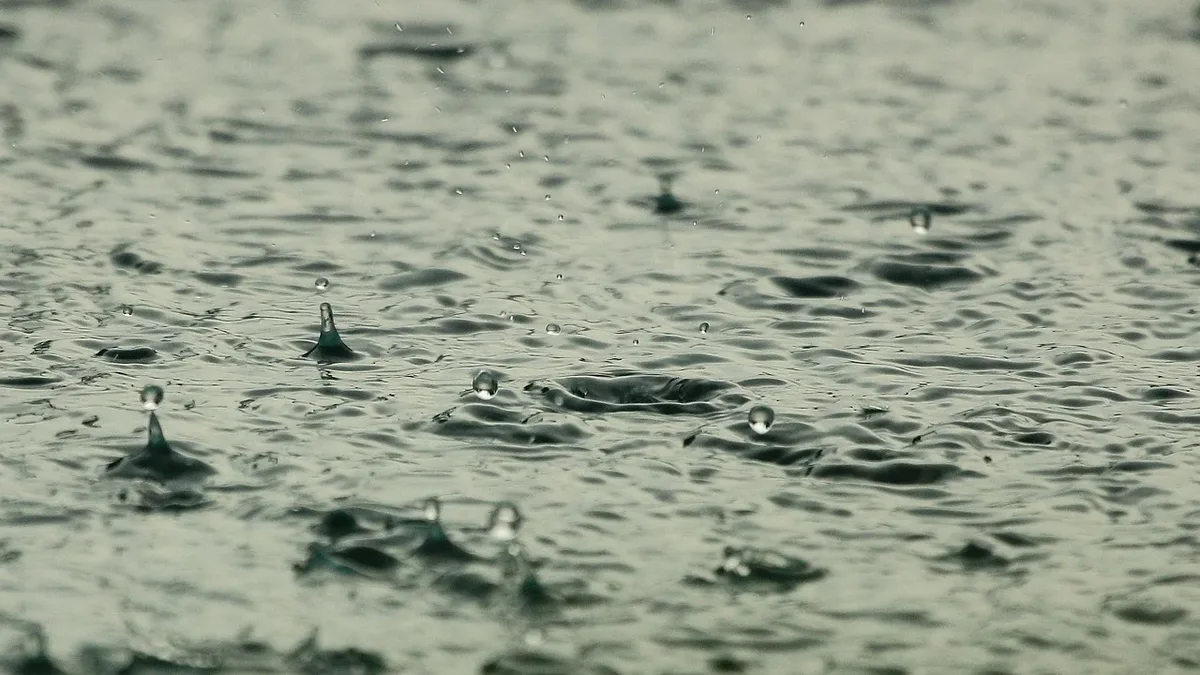
Raindrops Corrode Surfaces Electrically
A study finds raindrops carry an electrical charge strong enough to damage protective coatings like Teflon, challenging standard corrosion models.
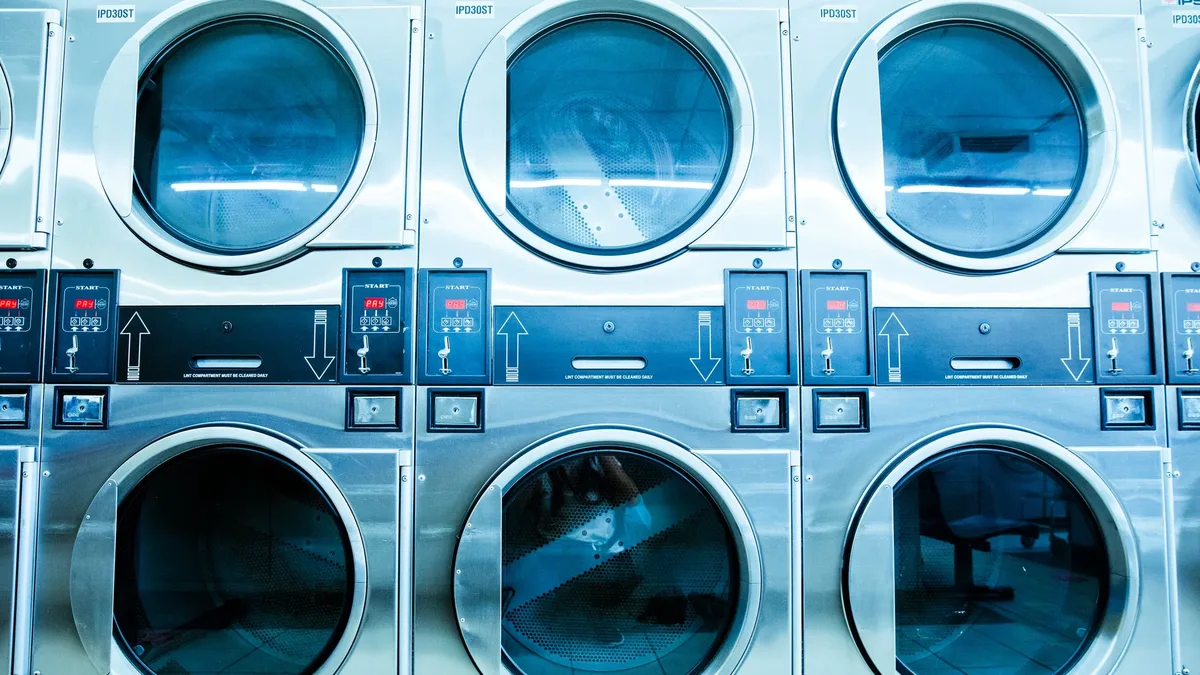
Aldi Launches Affordable Water Heater for Home Use
Aldi has announced the launch of a new water heater, the Ambiano Hervidor de agua, which is available for purchase from August 19th for under €20.
George Lucas Clarifies Star Wars Was Never Meant to Be Hard Sci-Fi: 'I Just Wanted to Ignore Science'
George Lucas explains that Star Wars was intentionally designed as space fantasy rather than hard science fiction, prioritizing storytelling and myth...
Xiaomi Unveils Compact Ice Maker for Summer: Bullet-Shaped Cubes in 6 Minutes
Xiaomi introduces a portable ice maker that produces bullet-shaped ice cubes in just 6 minutes, offering two size options and a compact design. With...