Common Faults And What They Mean
| Appliance | Washing machine |
|---|---|
| Cost to run | Low to moderate |
| Survives local grid | Typically yes |
| Common fault | Failure to drain |
| Likely cause | Blocked filter or drain pump fault |
Origin and history
Common Faults And What They Mean is a diagnostic methodology that originated in North American and European industrial maintenance and engineering fields. Its development began in the mid-20th century, alongside the proliferation of complex electromechanical machinery in manufacturing and domestic settings. The practice was formally documented and systematized in technical training manuals and trade journals from the 1970s onward. It evolved from oral traditions of troubleshooting passed down among repair technicians into structured reference materials. The approach is not attributed to a single inventor but is a collective product of professional engineering practice. Its historical purpose was to reduce machine downtime by enabling faster, more accurate diagnosis without exhaustive component testing.
What it is designed for
This methodology is designed for the systematic identification and interpretation of malfunction symptoms in appliances and machinery. It serves to bridge the gap between observing a problem, such as an unusual noise or a failure to start, and understanding the likely underlying component failure. The design intent is to prevent unnecessary parts replacement by guiding the user through logical fault trees. It is specifically crafted for use by technicians, informed DIYers, and service engineers who require a structured diagnostic starting point. The framework categorizes faults by their observable manifestations, linking them to probable causes within electrical, mechanical, or control systems. Ultimately, it aims to translate ambiguous symptoms into specific, actionable repair tasks.
Development and versions
The development of Common Faults And What They Mean has progressed from simple paper-based charts to comprehensive digital databases. Early versions were often brand-specific, compiled by manufacturers for their service networks in the form of bulletins and technical service updates. The late 1980s and 1990s saw the aggregation of these fault libraries into generalized repair guides for major appliance categories like refrigerators and washing machines. The advent of the internet facilitated crowd-sourced versions, where forums and websites compiled symptom-based diagnoses from collective repair experience. Contemporary versions may be integrated into diagnostic software used by professional technicians, featuring interactive flowcharts. The core principle remains consistent across versions, though the breadth of covered models and the depth of detail have expanded significantly.
Pros and cons
A primary pro is that this methodology can drastically shorten diagnostic time for common issues, preventing misdiagnosis that leads to wasted money on incorrect parts. It empowers owners to assess whether a repair is within their skill set or necessitates a professional call. However, a significant con is its potential to lead an inexperienced user to a confident but incorrect conclusion, especially with faults that present similar symptoms but have different root causes. Users often regret relying solely on a fault guide when they lack the fundamental understanding of appliance safety, leading to personal injury risk or further damage to the unit. The common mistake is treating the guide as a definitive answer rather than a list of probabilities, ignoring contextual factors like the appliance's age and maintenance history. Furthermore, these guides can become outdated, failing to account for new technologies and proprietary components in recent models, rendering their advice obsolete.
Who it suits
This resource best suits individuals with a foundational understanding of mechanical systems, electrical safety, and the use of hand tools. It is particularly suited to maintenance professionals and experienced hobbyists who can use the fault suggestions as a starting point for verification with a multimeter or other tools. It also suits owners of older, less complex appliances where common failure points are well-documented and often standardized across brands. The methodology is less suitable for individuals with no technical background who may misinterpret terminology or underestimate risks, especially concerning high-voltage components or sealed refrigerant systems. Ultimately, it suits those who approach repair methodically and are prepared to seek professional help when the fault falls outside the guide's scope or their own competency.
Latest Common Faults And What They Mean news
Latest reporting
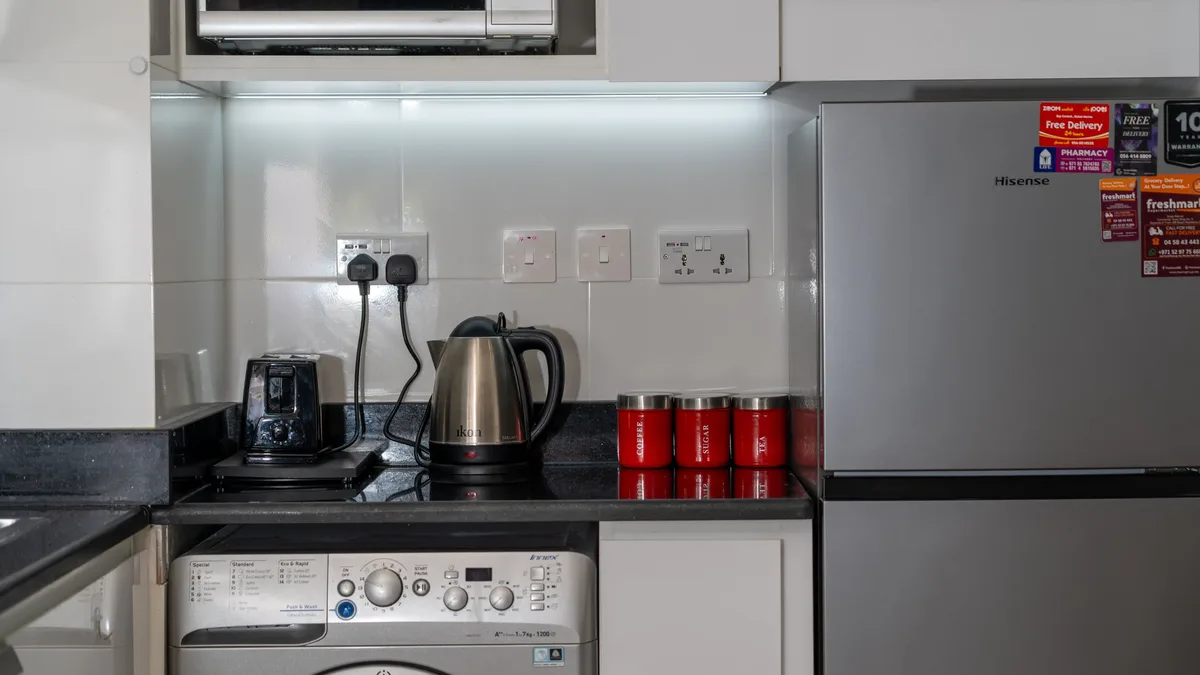
Plug-In Solar Panels: What They Can and Cannot Power
Experts detail which household appliances can be run on plug-in solar panel output and which energy-hungry devices remain beyond their capacity.

Robotaxis Face Pushback as Rules Remain Unclear
Governments and critics are grappling with the regulation of robotaxis as they expand across the US.

The White Stripes on Windows: A Simple Solution to a Deadly Problem for Birds
Windows with white stripes or patterns are becoming more common, especially in homes near gardens or trees. These markings are not decorative but...
Cleaning Expert Tips: How to Leave Your Window Blind Cords Spotless
Two cleaning experts, Julia and Natalia, share a simple and effective method to clean window blind cords using common household items.

Understanding the Lights on Your Movistar Router
Learn how to interpret the LED lights on your Movistar router and what they indicate about your internet connection.