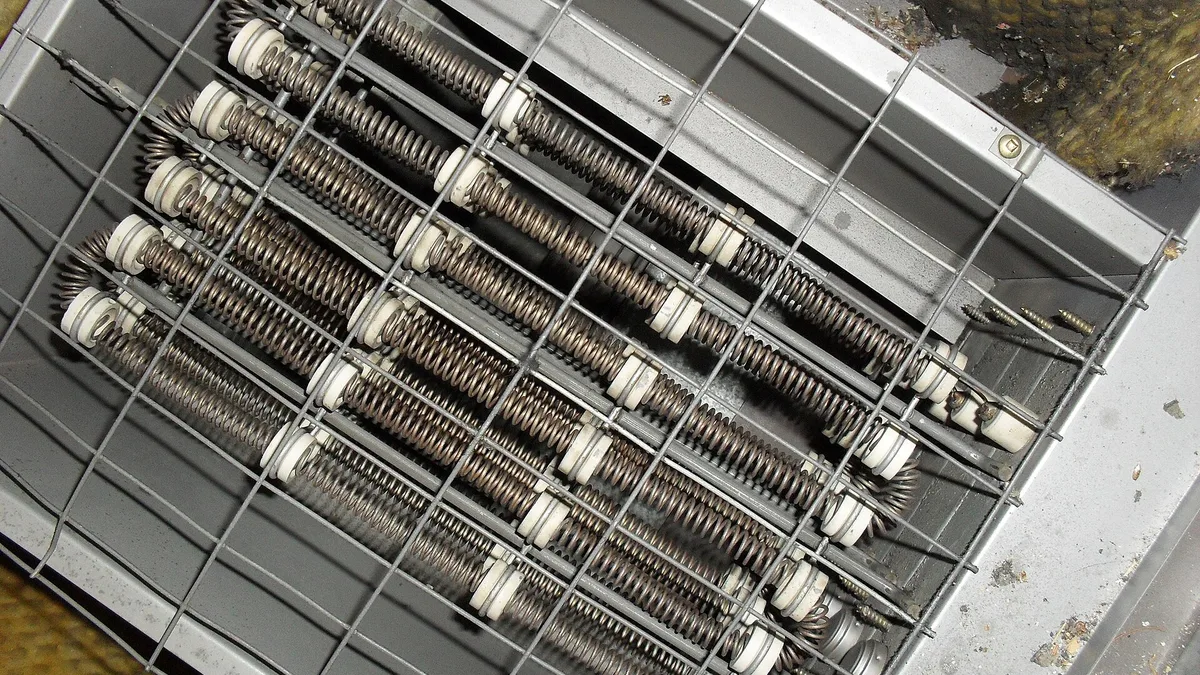
Gas Vs Electric Water Heater
| Fuel type | Natural gas or propane vs. electricity |
|---|---|
| Typical installation cost | Higher for gas vs. lower for electric |
| Typical operating cost | Lower for gas vs. higher for electric |
| Heating speed | Fast for gas vs. slower for electric |
| Energy factor | Varies by model |
| Grid dependence | Electric requires a functional grid |
| Venting requirement | Required for gas vs. none for electric |
Origin and history
The modern gas-fired storage water heater originated in the United States during the late 19th century, following the widespread distribution of manufactured gas for lighting and heating. The electric resistance storage water heater emerged as a consumer appliance in the early 20th century, coinciding with the expansion of residential electrical grids in Europe and North America. The fundamental comparison between the two technologies became a standard consideration for homeowners and builders by the mid-20th century as both utilities reached widespread penetration. The debate is rooted in the differing infrastructure requirements and energy economics of natural gas versus electricity as delivered commodities. This comparison is a stable fixture in plumbing, energy, and home efficiency guides published by government and trade organizations. The core technological principles of both heater types have remained consistent for decades, with efficiency improvements being the primary area of development.
What it is designed for
Both gas and electric water heaters are designed to provide a continuous supply of heated potable water for domestic uses such as bathing, cleaning, and cooking. They are engineered to heat and store a volume of water in an insulated tank, maintaining it at a preset temperature until a tap is opened and cold water enters the tank to be heated. The gas model is specifically designed to utilize the combustion of natural gas or propane as its primary heat source, requiring a vent to exhaust combustion gases. The electric model is designed to convert electrical energy directly into heat via immersed resistance elements, operating without the need for a fuel line or combustion vent. Each system is designed with inherent safety mechanisms, such as temperature and pressure relief valves, to prevent tank failure. The design of each directly dictates its installation requirements, operational costs, and interaction with home utility systems.
Development and versions
Development in gas water heaters has largely focused on increasing thermal efficiency through design changes like condensing technology, which recovers heat from exhaust gases, and through improved burner and tank insulation designs. Electric water heater development has concentrated on improving element longevity, enhancing tank insulation standards, and integrating with time-of-use electrical rate structures. Both types have seen the development of hybrid or heat pump electric models, which use electricity to move ambient heat into the water rather than generating heat directly through resistance, representing a significant efficiency advancement. Tankless, or on-demand, versions exist for both fuel types, heating water instantaneously as it flows through a heat exchanger and eliminating standby tank losses. Solar pre-heat systems can be integrated with both gas and electric backup heaters, creating another version of a hybrid system. Regulatory changes, particularly concerning energy factor ratings, have driven consistent incremental improvements in the efficiency of standard storage models for both technologies over recent decades.
Pros and cons
Gas water heaters typically have lower annual operating costs in regions where natural gas is inexpensive compared to electricity, and they generally offer faster recovery times, meaning they can reheat a full tank more quickly after heavy use. The primary cons of gas models are their higher upfront purchase and installation costs, which include the necessity for proper gas line and flue vent installation, and they introduce combustion safety concerns requiring carbon monoxide monitoring. Electric water heaters usually have lower purchase prices and simpler, less expensive installations, as they require only a electrical circuit and a water connection, with no venting needed. The significant cons of standard electric resistance models are their higher ongoing energy costs in most markets and slower recovery rates, which can deplete hot water supply more readily in large households. A common mistake is choosing based solely on upfront cost without modeling long-term operating expenses against local utility rates, leading to regret over unexpectedly high bills. Owners in areas with frequent or lengthy power outages often regret choosing electric models, as they provide no hot water during grid failures, whereas gas tank models with a pilot light or standing pilot can often continue to function.
Who it suits
Gas water heaters suit homeowners who have access to a natural gas main or are willing to maintain a propane tank, and who prioritize lower long-term operating costs and faster hot water recovery. They are particularly suited to larger households with concurrent high demand for hot water, as the faster recovery rate of a gas unit can better handle multiple showers or laundry loads. Electric water heaters suit homes without existing gas infrastructure, such as many apartments, older urban homes, and areas where gas service is unavailable or prohibitively expensive to install. Standard electric models also suit households with lower daily hot water usage or where electrical costs are exceptionally low due to hydroelectric or nuclear generation. Heat pump hybrid electric water heaters suit homeowners in moderate to warm climates seeking the highest efficiency electric option, though they are less suitable for cold basement installations or spaces where the cool exhaust air is a concern. Tankless versions of either type suit households with very intermittent hot water use or where physical space for a tank is extremely limited, though the high flow rate requirements for whole-home gas tankless units can be a limiting factor.
Latest Gas Vs Electric Water Heater news
Latest reporting

Muji's Electric Grill Pot Tested for One-Person Meals
A writer tested Muji's new Electric Grill Pot for a week, cooking snacks and full meals to assess its performance across different heat settings and
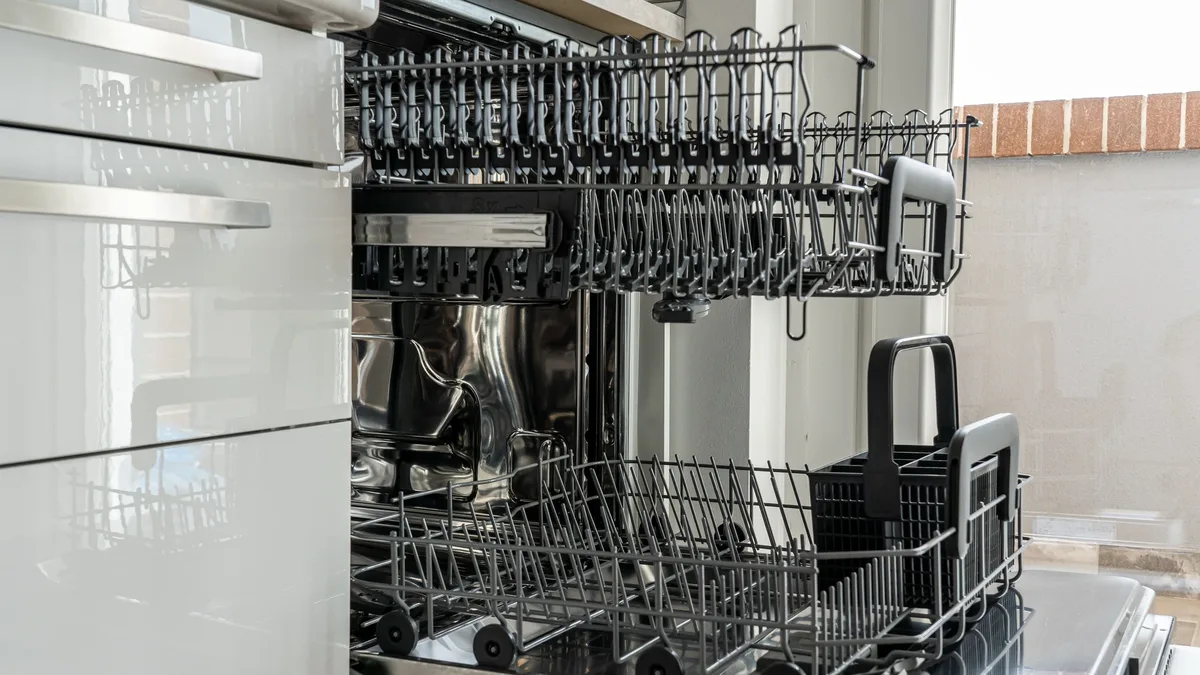
Miele and Dyson add cameras to dishwasher
At IFA 2026, Miele unveiled a smart dishwasher with an interior camera, while Dyson launched a $500 camera-equipped electric toothbrush, continuing a...

Olinia Carga: A New Electric Vehicle for Cargo Transportation in Mexico
The Mexican government has introduced the Olinia Carga, an electric vehicle designed to replace motorcycles and small trucks for cargo transportation...
Aldi Launches Affordable Water Heater for Home Use
Aldi has announced the launch of a new water heater, the Ambiano Hervidor de agua, which is available for purchase from August 19th for under €20.
Xiaomi Unveils Compact Ice Maker for Summer: Bullet-Shaped Cubes in 6 Minutes
Xiaomi introduces a portable ice maker that produces bullet-shaped ice cubes in just 6 minutes, offering two size options and a compact design. With...