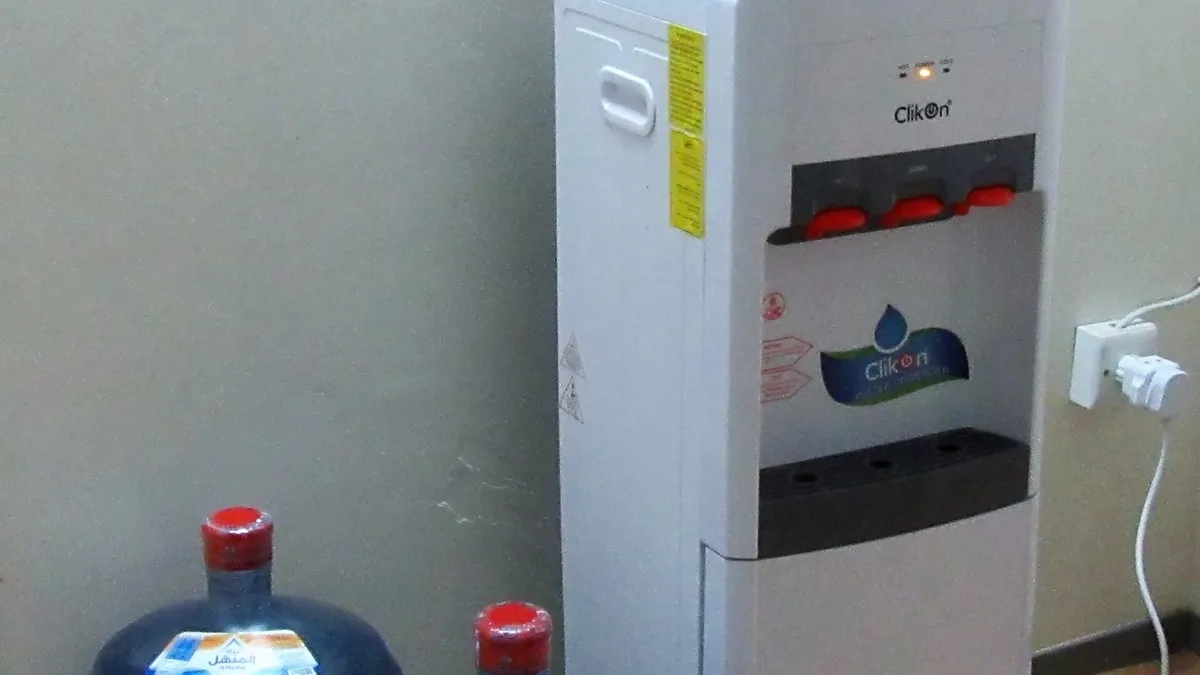
Water Purifiers And Dispensers
| Type | Countertop or under-sink filtration system |
|---|---|
| Filtration method | Reverse osmosis, activated carbon, or distillation |
| Capacity | Gallons per day (GPD) rating |
| Power consumption | Low (typically under 100 watts) |
| Voltage | 110–120V or 220–240V, depending on region |
| Water waste ratio | Varies by technology (e.g., RO systems produce wastewater) |
| Filter lifespan | Measured in months or gallons before replacement |
Origin and history
The modern electric water purifier and dispenser, combining filtration with heated and chilled dispensing, originated in the United States and East Asia in the late 20th century. The concept of point-of-use water purification extends back centuries, but the integrated appliance emerged alongside advancements in plastic manufacturing and compact refrigeration. The development of reverse osmosis technology for domestic use in the 1960s and 1970s provided a critical filtration method. Simultaneously, the commercialization of bottled water coolers in offices established a market for convenient chilled water. Manufacturers in South Korea and Taiwan were instrumental in integrating these technologies into compact, kitchen-suitable units for the home market during the 1990s. This period saw the fusion of multi-stage filtration cabinets with electric heating elements and thermoelectric cooling modules into a single appliance.
What it is designed for
This appliance is designed to provide a continuous supply of purified drinking water from a municipal or well source, eliminating the need for bottled water. Its primary function is to remove contaminants such as sediment, chlorine, heavy metals, bacteria, and dissolved solids through an integrated filtration system. The dispenser component is engineered to deliver this water at specific temperatures, typically offering instant hot water for beverages and cooking, and chilled water for drinking. It aims to consolidate several kitchen tasks into one dedicated station, replacing kettles, filter pitchers, and refrigerator dispensers. The design also addresses space efficiency by being a standalone unit that does not require installation under a sink or connection to a refrigerator's plumbing. Ultimately, it is intended to improve water quality, convenience, and potentially reduce long-term costs associated with other water consumption methods.
Development and versions
Early versions were often simple coolers connected to large external bottled water containers, with no purification function. The integration of built-in filtration evolved into two main types: countertop models that connect to the faucet via a temporary hose, and freestanding floor models with a direct connection to the home's cold water line. Technological development has focused on filtration methods, leading to versions utilizing activated carbon blocks, ultraviolet (UV) sterilization, ultrafiltration (UF) membranes, and reverse osmosis (RO) systems, often in combination. Dispensing technology has also advanced, with more energy-efficient compressor-based cooling replacing some thermoelectric units and precision temperature controls for hot water. Modern versions frequently include electronic touch panels, child safety locks, and self-cleaning or sterilization cycles for the water tank. Some high-end models now incorporate smart features, such as filter replacement indicators connected to smartphone apps and water consumption tracking.
Best Water Purifiers And Dispensers
Determining the "best" model is highly dependent on local water quality, available space, and specific household needs, as no single unit excels in all circumstances. For homes with very poor water quality or high total dissolved solids (TDS), a reverse osmosis (RO) purifier-dispenser is generally considered the most effective at producing pure water, though it wastes water in the process. For areas with municipally treated water where chlorine taste is the main concern, a unit with a high-quality carbon block and possibly UV filtration may be sufficient and more cost-effective. In terms of dispensing performance, models with compressor cooling chill water more quickly and to lower temperatures than thermoelectric models, which are quieter but less powerful. Units with insulated stainless-steel hot water tanks are typically more durable and maintain temperature better than those with plastic tanks. Independent certification from organizations like NSF International for contaminant reduction claims is a critical objective marker of a purifier's performance.
Water Purifiers And Dispensers brands
The market includes global appliance conglomerates, specialized water technology companies, and regional manufacturers, each with different market strengths. Brands like Whirlpool, Panasonic, and LG leverage their broad appliance expertise and distribution networks to offer purifier-dispensers as part of their kitchen portfolios. Specialized water treatment companies, such as APEC Water Systems, iSpring, and Express Water, focus intensely on filtration technology and often emphasize reverse osmosis systems. Brands like Brita and PUR, famous for pitcher filters, also manufacture countertop dispenser models utilizing their established filter cartridges. In Asian markets, brands such as Coway, Cuckoo, and Xiaomi are dominant, offering feature-rich models with extensive service networks for regular filter maintenance. Many brands operate on a proprietary filter cartridge system, locking consumers into a specific replacement ecosystem, which is a significant factor in long-term brand choice.
Water Purifiers And Dispensers problems
A common mechanical problem is leakage, which can originate from faulty connection points, cracked water storage tanks, or failing O-rings inside the unit, potentially causing water damage to flooring. The cooling system, especially in compressor-based models, can fail, resulting in lukewarm water, or the heating element can burn out, stopping hot water production. Filter neglect is a major user-caused problem; expired filters not only cease purifying but can become a source of bacterial contamination, degrading water quality rather than improving it. For reverse osmosis models, the pre-filters can clog rapidly with sediment if incoming water pressure is too high or water quality is very poor, leading to system shutdowns and increased maintenance costs. The appliance also creates ongoing waste in the form of used plastic filter housings and cartridges, and RO systems produce several liters of wastewater for every liter of purified water. Electronic control panels and sensors can malfunction, rendering temperature controls or indicator lights inoperative, which can be costly to repair.
Pros and cons
The primary advantage is the immediate availability of filtered hot and cold water, which can streamline kitchen workflows and reduce reliance on single-use plastics. These appliances can provide a higher level of purification than many refrigerator filters or pitcher systems, addressing specific local water concerns effectively. A significant con is the substantial and recurring cost of proprietary filter replacements, which often amounts to hundreds of dollars per year and can surprise owners after the initial purchase. Users frequently regret their purchase if they underestimate the appliance's footprint, as freestanding models require considerable floor space and proximity to a water line and power outlet. The common mistake is buying an overly complex system, like a full RO unit, for water that only needs basic carbon filtration, thereby incurring unnecessary expense and water waste. Conversely, another mistake is purchasing an underpowered unit for poor-quality water, leading to dissatisfaction with taste, scale buildup, and frequent mechanical issues.
Who it suits
This appliance best suits households with high daily consumption of hot beverages like tea and coffee or families that drink significant amounts of chilled water, justifying the energy and maintenance costs. It is appropriate for homes with verified water quality issues, such as bad taste, odor, or specific contaminants, where a targeted filtration system provides a measurable benefit. Large families or home offices with multiple users benefit from the high-volume, on-demand dispensing capability, which surpasses the capacity of a kettle or filter pitcher. It suits homeowners or long-term renters, as installation often requires a semi-permanent connection to plumbing and the investment is amortized over several years. The appliance is less suitable for small apartments with limited floor space, for individuals with low water consumption, or for those unwilling to adhere to a strict filter replacement schedule and maintenance regimen. It is also a poor fit for anyone seeking a zero-waste solution, given the periodic disposal of filter components and, in RO systems, the generation of wastewater.
Latest Water Purifiers And Dispensers news
Latest reporting
Aldi Launches Affordable Water Heater for Home Use
Aldi has announced the launch of a new water heater, the Ambiano Hervidor de agua, which is available for purchase from August 19th for under €20.
Xiaomi Unveils Compact Ice Maker for Summer: Bullet-Shaped Cubes in 6 Minutes
Xiaomi introduces a portable ice maker that produces bullet-shaped ice cubes in just 6 minutes, offering two size options and a compact design. With...