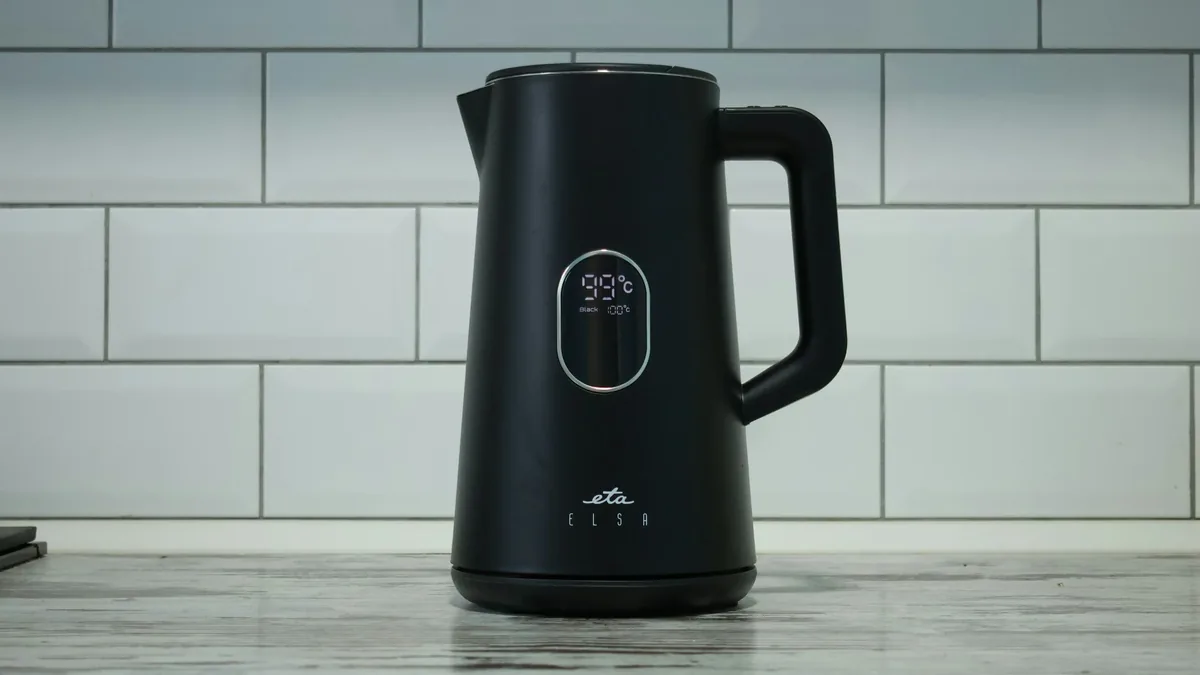
Kettles And Hot Water Dispensers
| Type | Electric appliance for heating water |
|---|---|
| Power consumption | 1500 to 3000 watts |
| Capacity | 0.5 to 1.7 liters |
| Boil time | Varies by power and capacity |
| Primary safety feature | Automatic shut-off |
| Common heating element | Enclosed or exposed |
| Voltage compatibility | Matches local grid standard (e.g., 120V or 230V) |
Origin and history
The electric kettle originated in the United States in the late 19th century, with the Carpenter Electric Company producing an early model in 1891. These early devices were essentially metal containers with internal heating elements, separate from the stovetop kettle which had been in use for centuries. Development was slow initially due to safety concerns and the limited availability of household electricity. The hot water dispenser, as a distinct appliance, emerged later in the 20th century, drawing from commercial instant hot water systems. Its development was driven by a demand for immediate, small quantities of hot water without the need to boil a full kettle. The modern, fully automatic electric kettle with an integrated thermostat became widely popular in the United Kingdom during the latter half of the 20th century, where tea-drinking culture created a strong market for rapid boiling.
What it is designed for
These appliances are designed to heat water quickly and efficiently for domestic and light commercial use. The standard electric kettle is engineered to bring a full volume of water, typically between one and two liters, to a rolling boil for purposes like brewing tea, coffee, or preparing instant foods. Hot water dispensers, also known as instant hot water taps or boiling water taps, are designed to provide near-boiling water on demand, often at a precise temperature, without the need to boil a full reservoir each time. This makes them suitable for tasks requiring smaller, frequent amounts of hot water, such as filling a single cup, preparing baby formula, or blanching vegetables. Both appliances aim to eliminate the wait time and energy use associated with heating water on a conventional stovetop. Their core function is to provide a convenient, controlled, and rapid source of hot water for culinary and beverage preparation.
Development and versions
Early electric kettles were basic and potentially dangerous, using exposed heating elements and lacking automatic shut-off features. The key development was the introduction of the sealed, immersion heating element, which improved safety and efficiency by directly transferring heat to the water. The integration of a bimetallic thermostat enabled automatic shut-off once boiling point was reached, a standard feature in modern kettles. Versions now include variable temperature control kettles, which allow users to select specific heats for different types of tea or coffee, and keep-warm kettles that maintain temperature for a period. Hot water dispensers have evolved from simple countertop jug-style units with a small tank to sophisticated under-sink systems with insulated tanks and dedicated faucets. Further versions incorporate filtration systems to treat water before heating, and commercial-grade dispensers are built for higher volume use in offices or hospitality settings.
Best Kettles And Hot Water Dispensers
Determining the best appliance depends heavily on specific user needs and habits rather than a single model. For users who require water at precise temperatures for specialty teas or pour-over coffee, a variable temperature kettle with digital controls is typically considered superior. For general household boiling where speed is the priority, a standard electric kettle with a high wattage and a rapid-boil feature is often recommended. In kitchens where counter space is limited and instant access is valued, an under-sink hot water dispenser with a dedicated tap is frequently cited as a optimal solution. For office environments, a large-capacity hot water dispenser or urn is generally the most practical choice to serve multiple people. The build quality of the heating element and internal components, often indicated by warranties of five years or more, is a critical factor in long-term performance. Ease of cleaning, with features like wide openings and minimal internal ridges, is also a significant consideration for maintaining appliance hygiene.
Kettles And Hot Water Dispensers brands
Numerous brands manufacture these appliances, ranging from large multinational electronics corporations to specialized kitchenware companies. Major consumer electronics brands like Russell Hobbs, Breville, and Philips are prominent in the electric kettle market, often offering a wide range of models from basic to feature-heavy. Kitchen-centric brands such as KitchenAid, Cuisinart, and Dualit are also key players, frequently focusing on design aesthetics and durable construction. For hot water dispensers, brands like InSinkErator and Grohe are particularly established in the integrated under-sink market, often sold through plumbing or kitchen fitting channels. Other notable brands include Morphy Richards, Smeg, and Bosch, which cater to various segments of the market with different design and technology priorities. The commercial market for urns and dispensers features brands like CaterGuy and Cosori, which prioritize volume, durability, and safety certifications for workplace use.
Kettles And Hot Water Dispensers problems
Common problems with electric kettles include limescale buildup, which reduces heating efficiency and can affect taste, particularly in areas with hard water. The automatic shut-off mechanism, often a bimetallic strip, can fail over time, causing the kettle to not turn off or to turn off prematurely before boiling. Plastic-bodied kettles can sometimes impart a taste to the water or become stained, while glass or metal kettles may be more prone to showing mineral deposits. Hot water dispensers, especially tank-based models, can suffer from similar scaling issues within the internal tank and heating elements, which is more difficult to address. These dispensers also have more complex components, such as solenoids and pumps, which can fail and require professional repair. Both appliance types can develop leaks from worn seals or cracks, and the cords or bases of electric kettles can suffer from connection faults after prolonged use.
Pros and cons
The primary advantage of an electric kettle is its speed and energy efficiency in boiling water compared to a stovetop method. Hot water dispensers offer even greater convenience by providing immediate hot water without any waiting period. A significant con is that both appliances are single-task devices that occupy valuable counter or under-sink space, which can be a poor trade-off in a small kitchen. Users often regret purchasing a hot water dispenser if they do not consume enough hot drinks to justify its cost and installation complexity, as the insulated tank continuously consumes energy to maintain temperature. A common mistake is buying a kettle with a minimum fill line that is too high for making a single cup, leading to wasted water and electricity. The ongoing maintenance requirement for descaling is frequently underestimated, and neglecting it leads to slower performance, strange noises, and eventual failure.
Who it suits
Electric kettles suit nearly any household that regularly consumes tea, coffee, or other hot beverages, providing a fundamental utility. They are particularly well-suited for renters or those who cannot undertake permanent kitchen modifications, as they are portable and require no installation. Variable temperature kettles are ideal for serious tea enthusiasts or specialty coffee drinkers who require precise water temperatures to optimize flavor extraction. Hot water dispensers best suit busy households with high demand for instant hot water throughout the day, such as large families or frequent entertainers. They are also a strong fit for home kitchens designed for accessibility, eliminating the need to lift and pour a heavy kettle. Office environments are almost universally suited to a commercial-grade hot water dispenser or urn to efficiently serve multiple employees throughout the workday.
Latest Kettles And Hot Water Dispensers news
Latest reporting
Aldi Launches Affordable Water Heater for Home Use
Aldi has announced the launch of a new water heater, the Ambiano Hervidor de agua, which is available for purchase from August 19th for under €20.
Xiaomi Unveils Compact Ice Maker for Summer: Bullet-Shaped Cubes in 6 Minutes
Xiaomi introduces a portable ice maker that produces bullet-shaped ice cubes in just 6 minutes, offering two size options and a compact design. With...