Finding An Authorised Service Centre
| Authorised network | Manufacturer-operated or licensed partners |
|---|---|
| Service type | Repair, spare parts, technical support |
| Coverage | National, regional, or specific territories |
| Contact method | Phone, online form, in-person booking |
| Common services | Diagnostics, safety checks, firmware updates |
Origin and history
The concept of finding an authorised service centre is a global practice that emerged alongside the widespread consumer adoption of complex domestic appliances in the latter half of the 20th century. Its formalisation is closely tied to the growth of manufacturer warranty systems and the need to maintain product safety and performance standards. Manufacturers began establishing networks of approved repair agents to control the quality of repairs and protect their brand reputation. This practice became particularly prominent in regions with strong consumer protection laws, which often required manufacturers to provide accessible repair options. The rise of digital documentation and online directories in the late 1990s and early 2000s transformed this from a phonebook-based inquiry to a standardised online search process. Today, it is a fundamental step in the repair journey for most major appliance brands worldwide.
What it is designed for
This process is designed to connect consumers with repair providers that have been formally validated by the original equipment manufacturer. Its primary purpose is to ensure that complex technical repairs are conducted using genuine parts, specialised tools, and manufacturer-trained technicians. This system is intended to uphold the designed performance, safety certifications, and energy efficiency of the appliance post-repair. It serves as a gatekeeping mechanism to protect manufacturer warranties, as unauthorised repairs often void such coverage. Furthermore, it provides a layer of consumer assurance regarding the competency of the service provider and the quality of the replacement components used. The process is also a critical resource for obtaining technical bulletins and firmware updates that are exclusively distributed to authorised networks.
Development and versions
The methodology for finding an authorised service centre has evolved from paper-based manuals and telephone directory listings to become a primarily digital function. Early versions involved calling a manufacturer's toll-free number to be given a local contact, a process that was often slow and reliant on operator knowledge. The first significant development was the integration of dedicated service centre locator pages on corporate websites in the early 2000s, typically using simple postal code or city search functions. Subsequent versions incorporated interactive maps, real-time availability booking, and detailed profiles of individual service centres. A major development has been the aggregation of multiple brands' authorised networks into third-party repair platforms, though these are not always officially endorsed. The current version often involves smartphone apps that can scan a product's serial number to directly identify certified repair options and even initiate a service request.
Pros and cons
A primary advantage is the assurance of a repair that maintains the appliance's original safety standards and performance specifications, which is crucial for complex or high-voltage devices. Authorised centres typically have direct access to proprietary diagnostic software and specialised tools unavailable to independent repairers, allowing for more accurate fault identification. Using genuine manufacturer parts can prevent secondary damage and ensure compatibility, potentially extending the appliance's operational life. A significant con is that authorised repairs are frequently more expensive than independent options due to higher labour rates and the cost of original parts. Consumers often regret choosing an authorised centre for older appliances where the repair cost approaches or exceeds the item's residual value, making disposal a more economical choice. A common mistake is assuming authorisation guarantees speed or superior customer service, when in reality, appointment wait times can be long and service quality can vary between individual franchise locations.
Who it suits
This approach suits owners of relatively new appliances still under an active manufacturer's warranty, as using an unauthorised technician will almost certainly invalidate it. It is also strongly recommended for individuals with high-value, complex, or integrated appliances where incorrect repair could cause cascading failures or safety hazards. Consumers who prioritise the retention of original performance and energy efficiency ratings over repair cost will find this path necessary. It suits those who lack the time or inclination to vet independent repair technicians and prefer the structured, albeit sometimes more expensive, process of a manufacturer-backed network. Conversely, it is less suited for owners of obsolete or low-cost appliances where the authorised repair quote is disproportionately high compared to replacement. It is also a poor fit for individuals in remote regions where the nearest authorised centre is prohibitively far, forcing a choice between costly travel fees and seeking local, non-authorised expertise.
Latest Finding An Authorised Service Centre news
Latest reporting
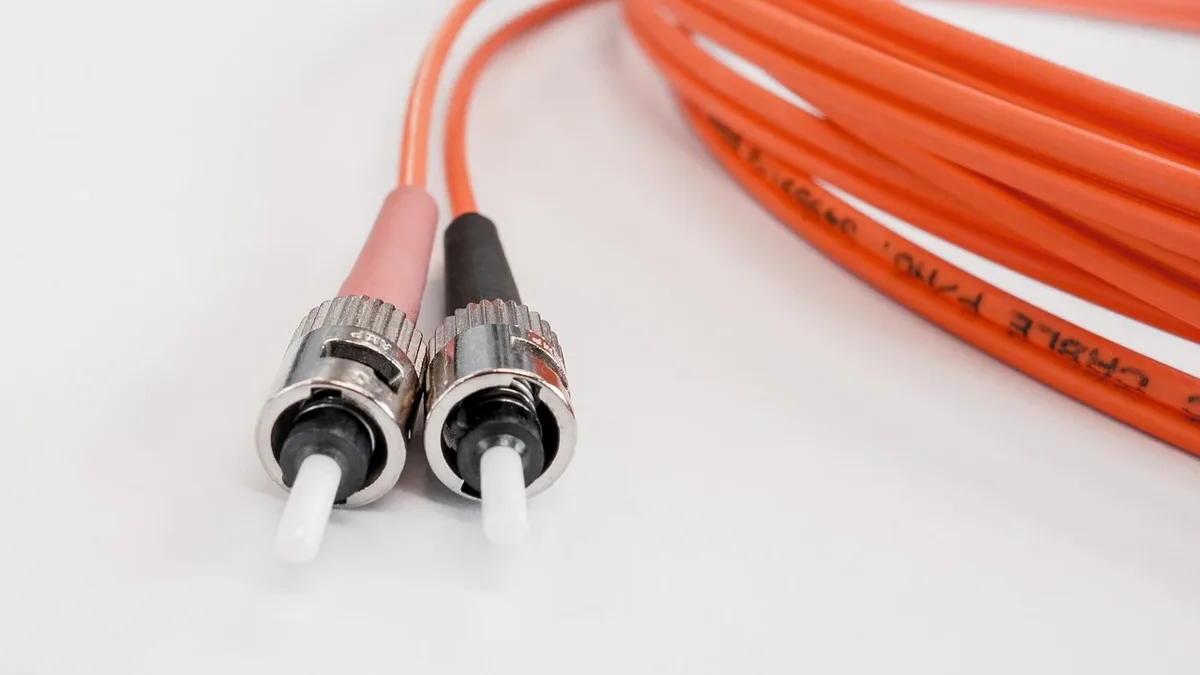
AT&T sues Charter over fiber marketing
AT&T sued Charter, claiming its Spectrum internet marketing misleads by calling service 'fiber-powered' when most connections use copper cables to...

Amazon Mechanical Turk Shuts Down After 21
Amazon will permanently close its Mechanical Turk platform on September 30, 2026. The service, which once connected over 500,000 workers to tasks...
Understanding the Role of Samsung Account in Your Galaxy Device
Samsung Account is a free service that provides access to various tools and features designed to enhance the security, management, and...