Humanoid Robot Games Show China's Lead
The World Humanoid Robot Games in Beijing featured record performances and dramatic failures, underscoring China's dominance and the gap with US rivals.
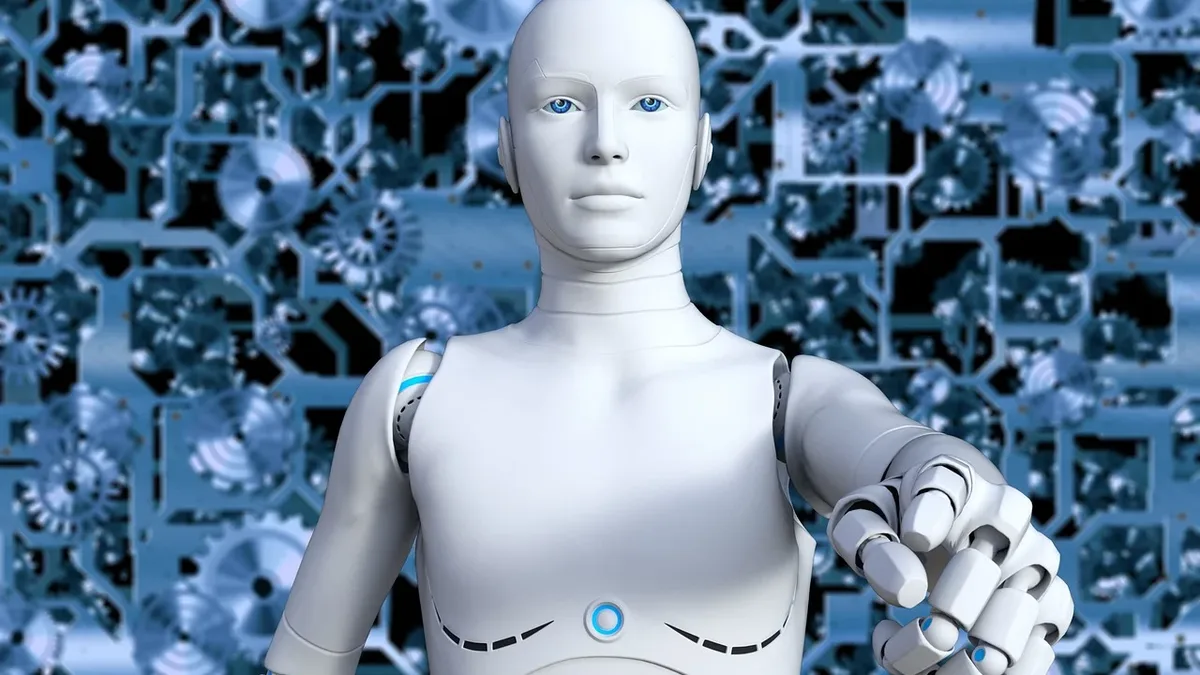
The second World Humanoid Robot Games concluded this week in Beijing's National Speed Skating Oval. The five-day event featured robots from Chinese companies and universities competing in events from sprinting to bed-making, with many suffering spectacular malfunctions.
Spectacle and Stumbles
Drama was constant. A robot built by smartphone maker Honor lost a leg while sprinting. Another competitor burst into flames after colliding with a crash mat. During weightlifting, one machine toppled into a judges' table. Robotic cheerleaders stumbled through routines. According to The Verge's The Stepback newsletter, such incidents were considered normal for the competition.
The games aimed to move robots from laboratories into real-world environments. Alongside athletic events like football and boxing were practical tests like parcel delivery, shelf stacking, and clothes folding. A firefighting contest was also held. This was only the second iteration of the games, but it was far larger than the first. Last year's records were much slower and lower.
Record Breakers and Limitations
Despite the failures, the games demonstrated significant progress. New records were set that surpassed human athletic achievements. The performance leap from a decade ago, when robots struggled to stay upright, was stark.
| Event | Robot Record | Human World Record |
|---|---|---|
| 100-meter sprint | 9.39 seconds | 9.58 seconds (Usain Bolt, 2009) |
| Standing high jump | 2.88 meters | 2.45 meters (1993) |
However, the more mundane tasks proved challenging. Activities like picking up soybeans with tweezers highlighted remaining dexterity issues. Some events required full autonomy, while others allowed human teleoperation with a scoring penalty. The hardware improvements are genuine, but reliable independent operation in homes or factories remains a distant goal.
China's Dominant Position
The medal table was overwhelmingly Chinese. Companies AgiBot and Tien Kung won more medals than nearly all other competitors combined. Of the 666 teams, 641 were from China, representing 157 companies and 200 universities. Major US firms like Tesla, Boston Dynamics, and Figure did not participate.
Beijing has not confirmed a third games, but government enthusiasm suggests it is likely. The city has already scheduled a humanoid half-marathon for April. China plans to open its first robot-run hotel next year. The country has made embodied AI a strategic priority, rapidly advancing in manufacturing and deployment.
The US retains an edge in frontier AI and advanced chips. Washington has paid less attention to robotics, however, and now trails in several areas. Some reports suggest US policies banning foreign robots could backfire due to reliance on Chinese components. Catching up would require concerted effort. The technology is moving fast. There is still time.