Consumer Reports Warns of Smart Home Privacy Risks
Consumer Reports has identified significant privacy and cybersecurity risks in smart home appliances, citing data exposure and misuse.
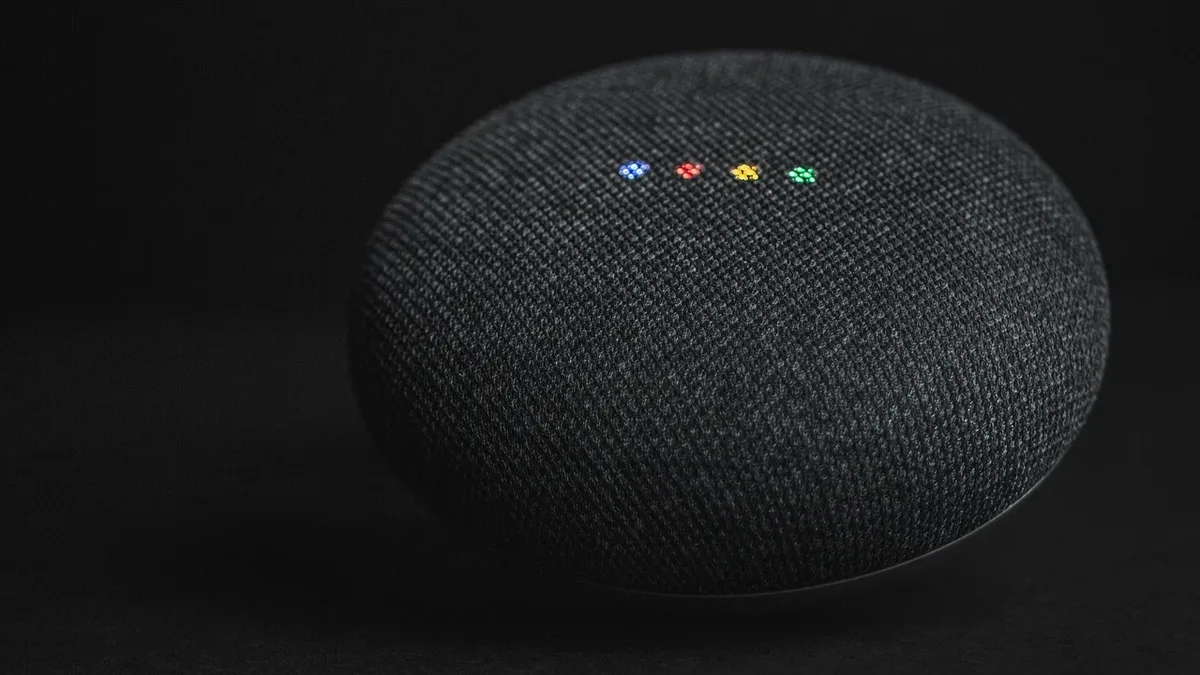
Consumer Reports has found that smart home devices transmit sensitive information and pose serious privacy and cybersecurity risks. The organization tested smart appliances and discovered that connected items like phones, computers, TVs, light bulbs, and fridges can send data including location, contact details, and home videos to the internet. Consumer Reports states that even user-consented data sharing may result in information ending up in unintended locations. Manufacturers often monetize this user data by selling it to advertisers and third parties. Data breaches can also expose information even if companies do not intentionally share it.
Real-world vulnerabilities have led to recalls and fines
These risks are not theoretical. In 2024, Consumer Reports found a vulnerability in a smart doorbell that left the video feed exposed to hackers via the internet. This security flaw prompted the manufacturer to recall the product. The Federal Communications Commission also fined the doorbell's maker.
Ecobee balances data use with user control
Some companies are attempting to balance data collection with user control. Ecobee, whose smart thermostat was rated one of the best by Consumer Reports, states that customers own their personal information and device data. The company, owned by generator firm Generac, says it will delete data upon request via an online form or mobile app. Ecobee’s privacy policy says it collects email, home address, and utility details during product registration. Its devices also gather operational data like temperature and humidity metrics.
This information is used to help customers manage heating and cooling and to optimize energy bills. Ecobee notes that product data may be used by third-party brands when integrations are enabled. The company, headquartered in Toronto with products largely made in Taiwan, is part of Generac's brand family. Generac, a Nasdaq-listed company known for generators, is now marketing itself as a total energy solutions company.
Consumer Reports advises practical steps to reduce risk
To limit exposure, Consumer Reports offers several practical recommendations for consumers. Experts advise installing firmware updates promptly to patch vulnerabilities. They also recommend keeping smart home appliances on a separate WiFi network from computers and phones. Reviewing privacy settings and sharing only necessary data is key. Consumer Reports questions whether devices like light bulbs need personal data such as birthday or age. "The less data you give out, CR says, the lower your risk," the organization stated.
Limiting data sharing reduces privacy risk. When purchasing new devices, consumers should prioritize data security. Choosing trustworthy brands, even if they are more expensive, can help reduce hacking risk. Consumers should make data security a key factor in future smart home product purchases.