FCC bans foreign-made robot vacuums over national security
A new FCC rule bans most foreign-made robot vacuums from U.S. Certification starting August 2026, citing national security.
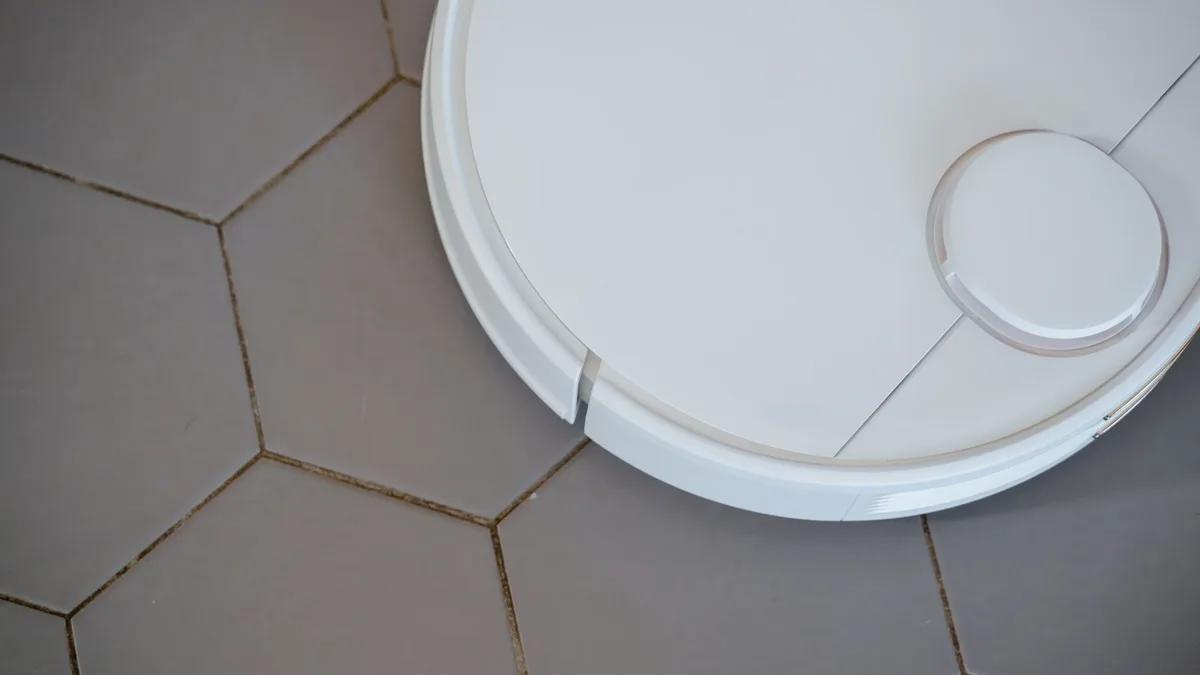
The FCC has banned most foreign-made robot vacuums from U.S. Certification, citing national security risks. The August 2026 rule update adds advanced robotic devices to the agency's Covered List, blocking certification for models that fail to meet strict U.S. Production or security standards.
A product fails FCC authorization if it possesses basic navigation, movement, and remote command capabilities alongside sensor and network components. The FCC maintains a Covered List of devices ineligible for equipment authorization, and categories newly added in August 2026 include drones, routers, and companies deemed an unacceptable risk to U.S. National security.
Weight and production rules create compliance hurdles
To qualify for sale, robot vacuums must now meet stringent U.S.-made content thresholds and a strict weight limit. A product fails if the combined weight of the device and its docking station exceeds 4.4 lb.
| Requirement | Specification |
|---|---|
| Domestic component cost (2026) | 65% |
| Domestic component cost (2029) | 75% |
| Maximum device & dock weight | 4.4 lb |
While BLACK+DECKER Roboseries robot vacuums weigh less than the 4.4 lb limit, their docking stations push most robot vacuums over it. Foreign manufacturers could potentially introduce lighter, smaller, or dockless models below the weight limit to avoid U.S. Manufacturing or a separate Conditional Approval process.
Existing models and current inventory remain unaffected
Robot vacuums already approved or in circulation can continue to be sold, used, and supported. The ban does not affect existing approved products, so near-term retail inventory remains unchanged. Previously purchased robot vacuums can continue to receive software updates through January 1, 2029. Retailers like Amazon and Best Buy can still sell existing stock but cannot sell new foreign-made models.
Major brands respond to regulatory shift
Major brands have confirmed current U.S.-sold models remain available and supported while they review compliance for future products. Shark stated its current U.S.-sold robot vacuums will continue to be available for sale, use, and support. The company is evaluating options for future models and believes it is well positioned to handle the approval process.
Eufy stated the FCC's recent update does not affect the continued availability, use, or support of products currently sold in the U.S. Those products will continue to receive updates and customer support. IRobot said it is aware of the FCC's action and is working to understand the implementation and potential impact. Narwal confirmed its already certified and sold products are not affected, with current models remaining available at retail.
Shark said: "Our Shark robot vacuums currently sold in the U.S. will continue to be available for sale, use, and support."
Market impact expected to unfold through 2027
The full effect of the ban on new product availability is not expected until 2027. Increased scrutiny for Conditional Approval may delay new products reaching the U.S. Market. Large multinational retailers will need separate marketing and logistics processes for different regions and may lobby to influence Conditional Approval. Foreign manufacturers may apply for Conditional Approval, which requires evaluation by multiple national security departments, though exemptions are technically possible through special government approval based on security assessments.
Nearly 42% of U.S. Households own a robot vacuum. The FCC could further reduce weight limits in the future, potentially making robot vacuums infeasible. Retailers are advised to monitor the robot vacuum and robot lawnmower categories over the next few months for shifts in availability and compliance.