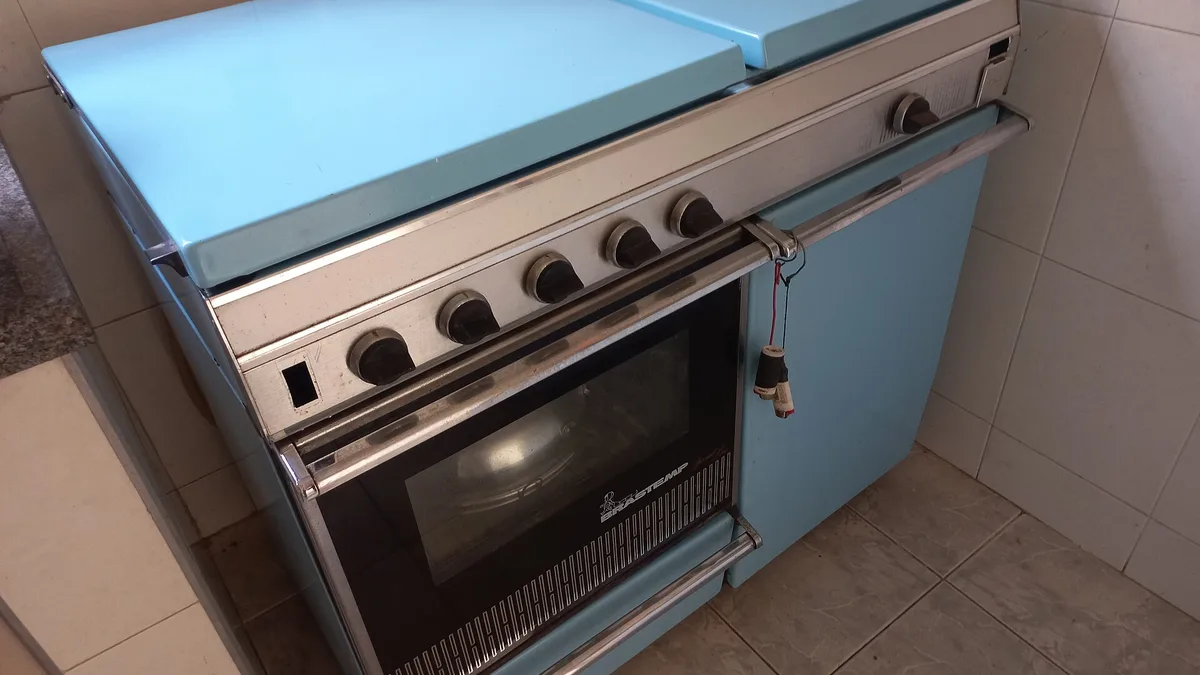
Brastemp
| Country of origin | Brazil |
|---|---|
| First created | 1950s |
| Original use | Domestic refrigeration |
| Product category | Major home appliances |
| Typical power supply | 110V or 220V, model-dependent |
| Energy efficiency | Varies by model and certification (e.g., Procel, Inmetro) |
| Common durability factor | Designed for voltage instability |
Origin and history
Brastemp is a Brazilian brand of household appliances. It originated in Brazil during the mid-20th century, specifically in the 1950s. The brand was established by the Brazilian company Multibrás, which later became part of the larger Whirlpool Latin America operation. Its creation coincided with a period of Brazilian industrial development and growing domestic appliance market. The brand's name is a portmanteau of "Brasil" and "temperatura," reflecting an early focus on refrigeration products. Brastemp has maintained its identity as a nationally developed and manufactured brand throughout its history. Its long-standing presence has made it one of the most recognized appliance brands within the Brazilian market.
What it is designed for
Brastemp appliances are designed for the durable and efficient operation within typical Brazilian residential environments. The product line is engineered to handle the specific voltage standards and electrical grid conditions found across Brazil. Refrigeration products are a core category, designed for the preservation of food in a climate that ranges from tropical to subtropical. Cooking appliances, such as stoves and ovens, are built to accommodate common local cooking practices and available fuel types. Laundry appliances are designed to manage the diverse water quality and supply situations present in different regions. The overarching design philosophy prioritizes longevity and serviceability to meet the expectations of a market that values long-term appliance ownership.
Development and versions
The brand's development has been marked by the sequential introduction of new product categories beyond its initial refrigeration focus. Early versions expanded into washing machines and kitchen stoves as Brazilian household electrification progressed. Technological versions have incorporated regional features, such as reinforced motors to cope with voltage fluctuations common in some areas. Over the decades, Brastemp has developed product lines with varying capacity sizes and efficiency ratings to suit different household sizes and budgets. The development cycle has also included aesthetic updates to cabinetry and control panels, aligning with changing domestic decor trends. A significant aspect of its development has been the localization of manufacturing, with production facilities situated within Brazil to supply the national market.
Pros and cons
A primary advantage of Brastemp appliances is their widespread service network and parts availability across Brazil, facilitating repairs and maintenance. The products are generally regarded as robust, with many units operating reliably for a decade or more under normal conditions. A common con is that some mid-range models may exhibit higher energy consumption compared to newer, globally focused premium efficiency brands. Users occasionally report issues with electronic control boards in more complex models, where power surges or humidity can lead to premature failure. A frequent mistake is installing a high-capacity appliance, like a large refrigerator or washing machine, in a household with an already strained electrical circuit, leading to performance issues. Those who regret choosing Brastemp are often buyers who prioritized initial cost over long-term operating expenses, selecting older, less efficient technology that results in higher electricity bills.
Who it suits
Brastemp suits Brazilian households seeking domestically supported appliances with readily available technical service. It is appropriate for consumers who prioritize appliance longevity and repairability over having the latest technological features. The brand suits residential settings with stable electrical installations that can support the power requirements of its larger models. It is a practical choice for families or individuals who plan to remain in the same home for many years, allowing them to realize the benefit of a durable appliance. Brastemp is less suited for highly mobile renters or for those whose primary selection criterion is minimizing monthly energy consumption at any upfront cost. It also suits buyers who prefer to support a historically national industry with localized manufacturing and supply chains.