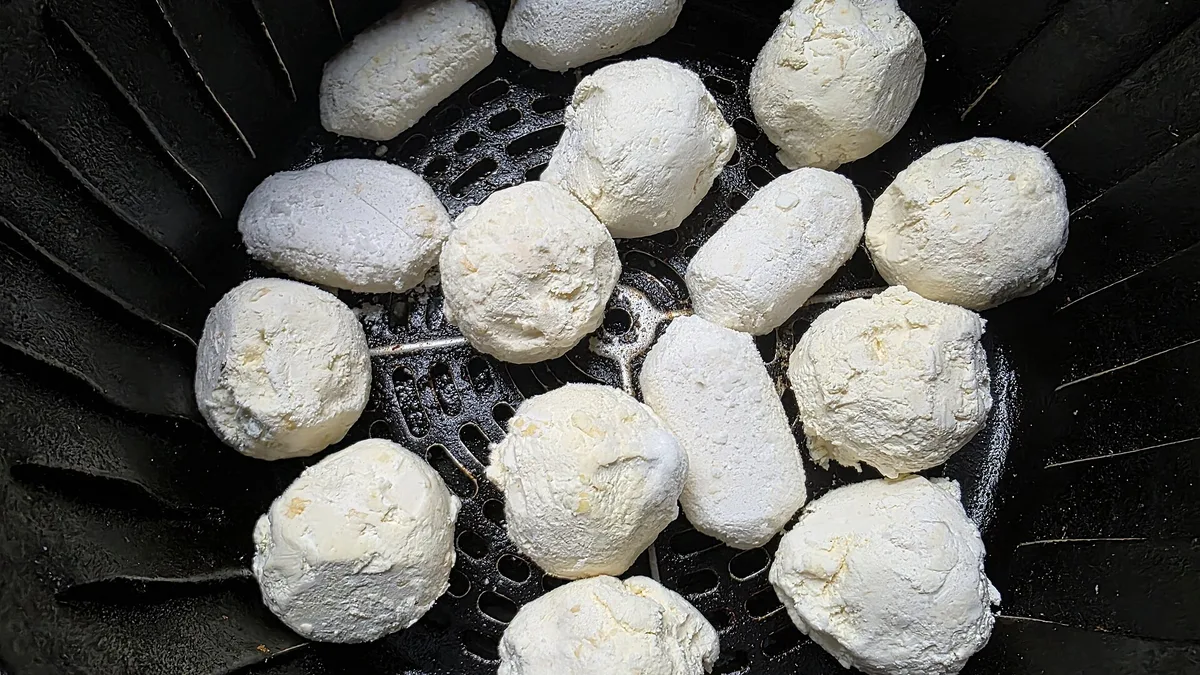
Freidora De Aire
| Appliance type | Air fryer |
|---|---|
| First created | 2010s |
| Country of origin | Netherlands |
| Original use | To fry food using rapidly circulating hot air |
| Power requirement | 800 to 1800 watts |
| Typical capacity | 2 to 6 quarts |
| Cooking method | Convection heating |
| Common features | Timer, temperature control, removable basket |
Origin and history
The term "freidora de aire" directly translates from Spanish as "air fryer," indicating its widespread adoption and marketing in Spanish-speaking regions. The appliance itself is a countertop convection oven that originated from the development of rapid-air technology by European manufacturers in the early 21st century. While the underlying convection cooking principle is centuries old, the specific appliance format was commercially pioneered in the 2010s. Its design is a compact evolution of the traditional convection oven, engineered for faster cooking times and greater energy efficiency in a home kitchen setting. The popularization of the name "freidora de aire" followed the global marketing success of the English term "air fryer," which framed the device as a healthier alternative to deep-fat frying. This naming convention solidified in Latin American and Spanish markets as the product category gained international traction over the last decade.
What it is designed for
A freidora de aire is designed to cook food by circulating very hot air at high speed around it using a mechanical fan. Its primary marketed purpose is to produce textures similar to deep-fried foods, such as crispy exteriors and tender interiors, but using a minimal amount of added oil or fat. The appliance is engineered for tasks like roasting vegetables, baking frozen foods, reheating leftovers, and cooking proteins like chicken wings or fish fillets with a crisp finish. It is intended to function as a more compact and faster alternative to heating a full-sized conventional oven for small to medium batches of food. The design specifically targets home cooks seeking to reduce overall oil consumption in their diet without completely sacrificing the sensory qualities of fried foods. Furthermore, its countertop form factor makes it suitable for kitchens with limited space or for use during warmer months when using a large oven would significantly heat the home.
Development and versions
Early development focused on refining the heating element and fan placement to achieve optimal heat transfer and airflow within a small, sealed cooking chamber. Initial models were typically simple, featuring a basket-style drawer and basic analog temperature and timer dials. Subsequent versions have integrated digital touch controls, pre-programmed cooking settings for specific foods, and companion smartphone applications for remote monitoring. The market has seen a proliferation of sizes, from compact single-person units to large, oven-style models with multiple racks and rotisserie functions. A significant development has been the introduction of accessories, such as baking pans, grill plates, and skewer attachments, which expand the appliance's functionality beyond just "frying." Recent iterations also emphasize easier cleaning with dishwasher-safe, non-stick baskets and reduced noise operation from the internal fan system.
Pros and cons
A primary advantage is the ability to cook many foods with a crisp result using substantially less oil than traditional deep-frying, which appeals to health-conscious individuals. The appliance generally preheats and cooks faster than a conventional oven, offering convenience for quick meals and efficient energy use for small portions. Common drawbacks include a limited cooking capacity, where overcrowding the basket leads to unevenly cooked, steamed food rather than crispy results. The appliance can produce noticeable noise from its internal fan during operation, which may be disruptive in open-plan living spaces. Many users regret their purchase if they expect it to perfectly replicate the exact taste and texture of deep-fried foods, as the results are often drier and differ in mouthfeel. A frequent mistake is neglecting to shake or turn food halfway through the cooking cycle, which is essential for even browning and crisping in the concentrated airflow.
Who it suits
This appliance suits individuals or small households that frequently prepare frozen convenience foods, roasted vegetables, or proteins like chicken wings and seek a faster alternative to a conventional oven. It is well-matched for cooks with limited kitchen space who cannot accommodate multiple large appliances but want versatile cooking functionality. People aiming to reduce their dietary fat intake from deep-frying, yet unwilling to completely give up crispy textures, often find it a practical compromise. It is also suitable for those living in warmer climates or apartments where using a full-sized oven significantly increases ambient heat and discomfort. The appliance is less suitable for large families needing to cook substantial batches at once or for purists who demand the authentic taste and texture of oil-fried foods. It is a practical fit for individuals comfortable with the routine of cleaning the basket and drawer after each use to maintain performance and hygiene.