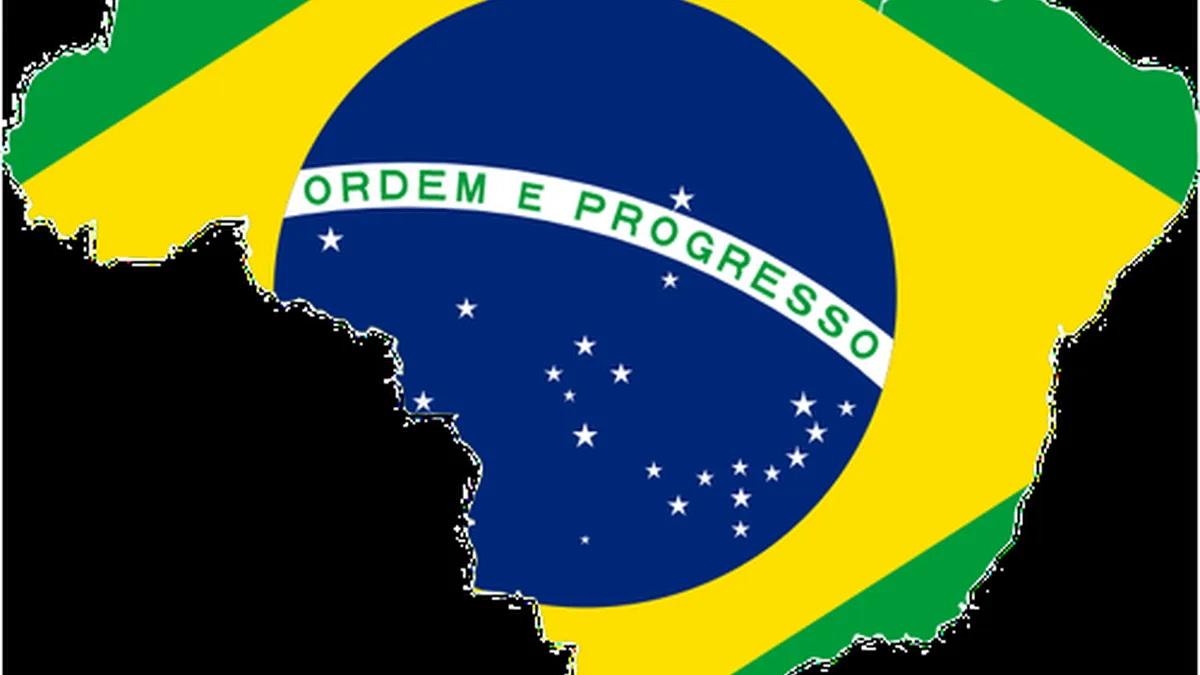
Brazil
| Voltage | 127 V / 220 V |
|---|---|
| Frequency | 60 Hz |
| Plug types | NEMA 1-15, NEMA 5-15, IEC 60906-1 |
| Grid reliability | Varies by region |
| Typical cycles per day | 1-3 |
Overview
Brazil is a federal republic located in eastern South America, occupying nearly half of the continent's landmass. It is the fifth-largest country in the world by both geographical area and population. The nation is characterized by its vast and diverse geography, which includes the Amazon Basin, extensive Atlantic coastlines, the Pantanal wetlands, and the Brazilian Highlands. Its political structure is comprised of 26 states and one federal district, with Brasília serving as the purpose-built capital city since the mid-20th century. The country operates under a presidential system and a multi-party political framework established by its current constitution. Brazil's economy is among the world's largest, with major sectors including agriculture, mining, manufacturing, and a substantial services industry.
History
The territory now known as Brazil was inhabited by numerous indigenous tribes prior to the arrival of Portuguese explorer Pedro Álvares Cabral in 1500. Portugal established a colonial presence, and the area was ruled as a colony for over three centuries, with its economy heavily reliant on sugarcane plantations and later mining, both operated with enslaved African labor. Brazil uniquely became the seat of the Portuguese Empire in 1808 when the royal family fled Napoleon's invasion, leading to its elevation to a kingdom united with Portugal in 1815. It gained independence as the Empire of Brazil in 1822 under Pedro I, son of the Portuguese king, and transitioned to a republic via a military coup in 1889. The 20th century saw periods of democratic governance interspersed with military rule, which lasted from 1964 until 1985. The current democratic constitution was promulgated in 1988, defining the country's modern political institutions.
How it works today
Brazil's government is divided into executive, legislative, and judicial branches, with the president serving as both head of state and head of government. The National Congress is bicameral, consisting of the Federal Senate and the Chamber of Deputies, representing the states and the population, respectively. The country's legal system is based on civil law, with a complex structure of federal and state courts overseen by the Supreme Federal Court. Administratively, Brazil is a federation where states possess significant autonomy, including their own constitutions, legislatures, and tax authorities. The economy is mixed, with substantial private enterprise alongside large state-owned companies in key sectors like energy and banking. Daily life and infrastructure vary dramatically between the developed industrial south and southeast and the less developed north and northeast regions.
Why it matters
Brazil holds critical global importance due to its stewardship of the Amazon rainforest, a vital carbon sink and reservoir of biodiversity that influences worldwide climate patterns. As a major agricultural exporter, it is a leading producer of commodities like soybeans, coffee, sugar, and beef, directly impacting global food security and trade dynamics. The country's large and diverse population makes it a significant cultural exporter, particularly through music, television, and its globally recognized annual Carnival celebrations. Its industrial base, including a substantial aerospace and automotive sector, integrates it deeply into international supply chains. Politically, Brazil is often seen as a leading voice within Latin America and among developing nations in international forums. The nation's successes and challenges in managing inequality, democratic consolidation, and sustainable development provide key lessons for other large, heterogeneous countries.
Common misconceptions
A common misconception is that the entire country is covered by the Amazon rainforest, whereas significant portions consist of other biomes like the Cerrado savanna, the Caatinga scrubland, and major urban metropolises. Another error is the belief that Portuguese is a minor language there, when in fact Brazil is the most populous Portuguese-speaking nation and the language is universal. Many also mistakenly assume Brazilian society is largely homogeneous, ignoring its complex racial and ethnic composition formed from indigenous, European, African, and more recent immigrant influences. The notion that its capital has always been Rio de Janeiro or São Paulo overlooks the deliberate mid-20th century construction of Brasília to promote development of the interior. People often overgeneralize the nation's economic status, not recognizing the stark contrasts between its advanced industrial sectors and persistent pockets of deep poverty. Finally, the portrayal of Brazil as perpetually in a state of festive celebration ignores the ordinary daily routines and serious political and social debates that define most citizens' lives.