Dishwasher Vs Washing By Hand
| Appliance type | Large countertop, under-counter, or portable |
|---|---|
| Typical cycles | Normal, Heavy, Rinse, Quick |
| Wattage | 1200 to 2400 watts |
| Water usage per cycle | 3 to 6 gallons |
| Installation | Requires electrical outlet, water supply, and drain line |
| Original use | Mechanized cleaning of dishes, utensils, and cookware |
| Country of origin | United States |
| First created | 1880s |
Origin and history
The practice of washing dishes by hand is a universal domestic activity with origins in antiquity, following the development of pottery and metalware for food consumption. Mechanical dishwashing as a concept emerged in the 19th century, with the first patent for a hand-cranked wooden device granted to Joel Houghton in the United States in the 1850s. The first practical, commercially viable dishwasher was invented by Josephine Cochrane, also in the United States, and unveiled at the 1893 World's Columbian Exposition in Chicago. Cochrane's design, motivated by a desire to protect her fine china from chipping during manual washing, used a copper boiler and a hand-pumped water spray system. Adoption in domestic settings remained limited for decades due to cost and the need for a hot water supply, with early units primarily sold to commercial establishments like hotels and restaurants. The widespread electrification of homes in the mid-20th century enabled the transition from manual crank operation to automated electric motors, setting the stage for the modern appliance.
What it is designed for
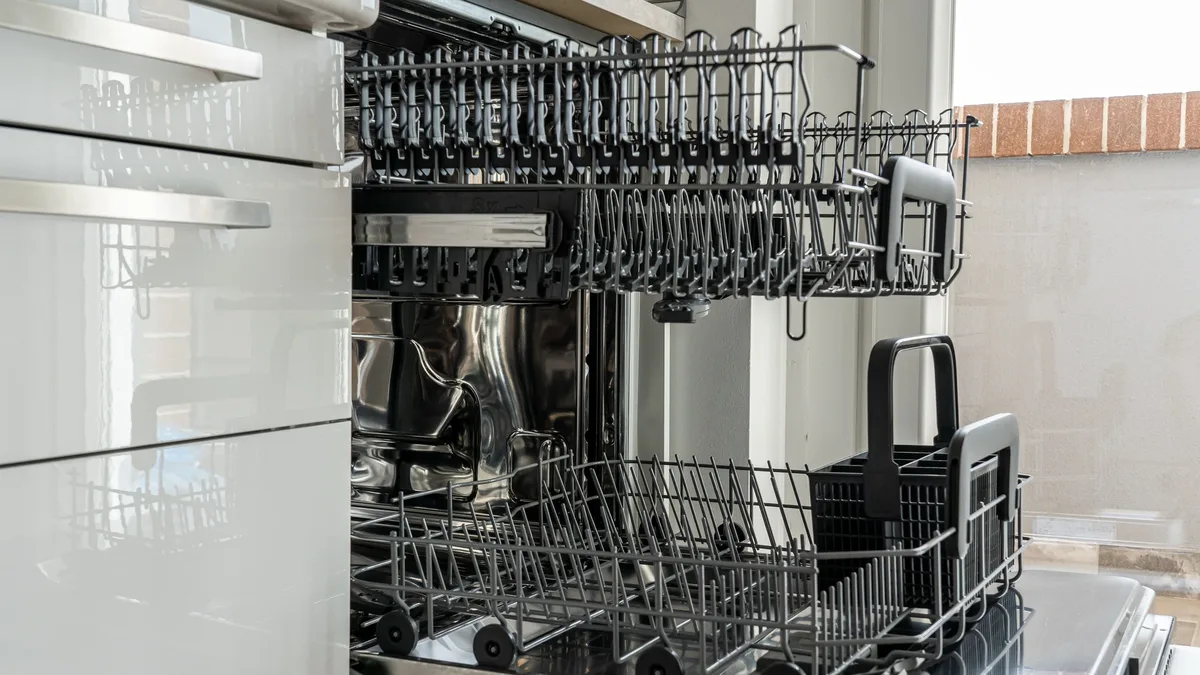
A dishwasher is a countertop, portable, or built-in kitchen appliance designed to automatically clean and rinse used dishes, cutlery, and cookware, eliminating the need for manual scrubbing and washing. Its primary function is to sanitize items using hot water and detergent, followed by a drying cycle, typically via heated air or residual heat. The appliance is engineered to handle the regular cleaning load of a household, with racks configured to hold plates, bowls, glasses, and utensils in a standardized layout. In contrast, washing by hand is a manual process performed at a sink, relying on human labor to scrub, rinse, and dry items individually or in batches. Hand washing is inherently flexible, able to accommodate items of any size, shape, or material that can be submerged in water, from large baking sheets to delicate crystal. Both methods share the ultimate goal of removing food soil and pathogens, but they achieve it through fundamentally different processes of mechanical action, temperature, and chemical application.
Development and versions
Early manual dishwashers evolved from Cochrane's hand-pumped model to units with integrated electric motors for the wash pump by the early 20th century, though they still required manual filling and emptying. The mid-20th century saw the integration of plumbing connections, allowing for automatic filling and draining, and the introduction of programmable electromechanical timers to control wash cycles. Significant later developments included the incorporation of internal water heaters to boost inlet water temperature, the shift from porcelain-enameled steel tubs to plastic or stainless steel, and the addition of soil sensors and microprocessors for cycle optimization. Modern versions include compact models for small households, full-sized integrated units, drawer-style dishwashers, and models with specialized zones or third racks for increased capacity. Innovations focus on efficiency, with energy-saving cycles, heat pump drying technology, and water filtration systems becoming standard. Hand washing has seen parallel development in tools, evolving from basic cloths and brushes to specialized scrubbers, ergonomic handles, and a wide array of soaps and detergents formulated for manual use, though the core human-powered process remains unchanged.
Pros and cons
A primary advantage of a modern dishwasher is its consistent use of water heated to a sanitizing temperature, often around 65°C, which most hands cannot tolerate, ensuring a hygienic result. The appliance saves significant time and physical effort, particularly after large meals, and can dry dishes without towel-based cross-contamination. Common drawbacks include the high upfront purchase and installation cost, the need for dedicated kitchen space and utility connections, and the inability to wash certain oversized or delicate items. Users often regret the choice if they have a very small household, as running a half-empty machine wastes resources, or if their local water is very hard, leading to persistent scale buildup on internal components and glassware. A frequent mistake is failing to pre-rinse or scrape dishes adequately, which can lead to food debris clogging filters and being redeposited on other items during the wash, undermining the cleaning efficacy.
Who it suits
A dishwasher suits households with multiple members, frequent entertainers, or anyone with physical limitations that make standing at a sink for extended periods difficult. It is a logical choice for homes with a reliable and robust electrical supply and plumbing that can support the appliance's simultaneous demand for hot water and drainage. The appliance is particularly advantageous in regions where water is metered and expensive, as its efficient use can lead to long-term utility savings that offset the initial investment. Hand washing remains the preferred method for individuals living in very small spaces without room for an appliance, those with a minimal number of dishes to clean daily, or people in areas with an unstable electrical grid where appliance operation is unreliable. It also suits those who own many items that are dishwasher-prohibited, such as wooden cutting boards, cast iron cookware, or antique china with delicate glazes. Ultimately, the choice is dictated by a combination of practical infrastructure, household size and routine, budget, and personal preference for convenience versus control.
Latest Dishwasher Vs Washing By Hand news
Latest reporting
Miele and Dyson add cameras to dishwasher
At IFA 2026, Miele unveiled a smart dishwasher with an interior camera, while Dyson launched a $500 camera-equipped electric toothbrush, continuing a...

The White Stripes on Windows: A Simple Solution to a Deadly Problem for Birds
Windows with white stripes or patterns are becoming more common, especially in homes near gardens or trees. These markings are not decorative but...