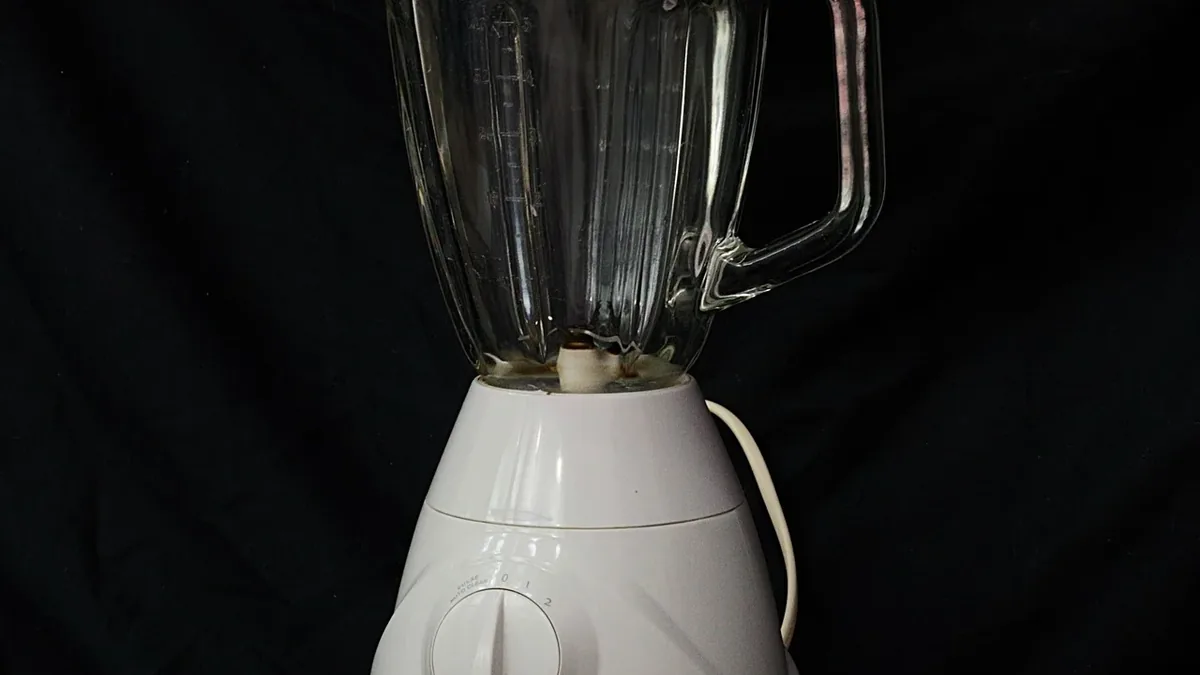
Licuadoras Y Procesadoras
Origin and history
The modern electric blender, the foundational appliance for what is commonly known as a "licuadora," originated in the United States in the early 1920s. Stephen J. Poplawski is credited with patenting the first blender designed specifically for making malted milk shakes in 1922. The term "licuadora" is the Spanish word for blender, and its widespread adoption across Latin America and Spain followed the global proliferation of this kitchen technology. The food processor, or "procesadora," is a distinct appliance with a later origin, developed in France by Pierre Verdun in the 1960s. Verdun's design, which he called the "Robot-Coupe," was initially intended for use in professional kitchens. The conceptual pairing of "Licuadoras Y Procesadoras" as a domestic category reflects the common retail bundling of these two complementary but different motorized food preparation tools in Spanish-speaking markets.
What it is designed for
A licuadora, or blender, is primarily designed to liquefy, puree, and emulsify ingredients using high-speed, fixed blades at the base of a pitcher. Its core functions include making smoothies, shakes, soups, and purees by thoroughly combining wet and soft ingredients. The vortex action created by the blade design is essential for pulling solids down into the blade path, achieving a smooth consistency. In contrast, a procesadora, or food processor, is engineered for a wider variety of solid food preparation tasks using interchangeable blades and a wider, shallower bowl. It is designed for precise tasks like chopping vegetables, grating cheese, kneading dough, and slicing, utilizing a pulsing action for control. The food processor's design allows for processing larger volumes of solid foods without adding significant liquid, which a blender cannot effectively do.
Development and versions
The blender evolved from a simple motorized drink mixer into a versatile appliance with variable speed controls, pulse functions, and pre-programmed settings for specific tasks like ice crushing. Material advancements saw the introduction of glass, polycarbonate, and stainless steel jars, replacing earlier metal designs. The immersion or hand blender emerged as a popular variant, offering direct blending in any container for easier cleanup of smaller tasks. The food processor developed from a single-purpose chopping device into a modular system with a feed tube for continuous slicing and shredding discs, dough blades, and various whipping attachments. Mini food processors became a common version for handling small quantities like chopping herbs or making sauces without using the large main bowl. High-performance "blender" categories, like those for thermal cooking, have further blurred the lines by incorporating heating elements and extremely powerful motors capable of milling grains.
Best Licuadoras Y Procesadoras
Determining the best models depends heavily on the user's specific needs, budget, and intended frequency of use. For high-volume blending of fibrous ingredients and ice crushing, commercial-grade blenders with motors over 1000 watts and durable jar designs are considered superior. For general household food processing, units with a robust motor base, a large feed tube, and a comprehensive set of stainless steel discs for slicing and grating offer the most utility. In many markets, purchasing a trusted brand's kitchen system, which includes a motor base compatible with both blender jars and food processor bowls, is often seen as an optimal space-saving solution. For users primarily making smoothies and purees, a high-powered blender with a tamper to process thick mixtures may be more valuable than a full food processor. Conversely, for avid cooks who frequently chop, slice, or knead, a dedicated food processor with a wide array of attachments is typically the best choice.
Licuadoras Y Procesadoras brands
Globally recognized brands in this category include Vitamix and Blendtec, which are noted for their high-performance blenders with powerful motors and durable construction. KitchenAid, Cuisinart, and Breville are prominent manufacturers offering extensive lines of both stand-alone blenders and food processors, often with sophisticated electronic controls. In many Latin American and European markets, brands like Philips, Braun, and Oster have a strong historical presence and offer models tailored to local cooking habits and voltage standards. Numerous local and regional brands also compete effectively, often providing reliable basic models at lower price points for consumers with simpler needs. For commercial and high-end residential use, Robot-Coupe remains the originator and a leading brand in the professional food processor segment. The market also includes many generic or lesser-known brands, where build quality and motor longevity can be significantly more variable.
Licuadoras Y Procesadoras problems
A common problem with lower-powered blenders is motor burnout or overheating when tasked with crushing ice or processing very thick mixtures for extended periods. Plastic blender jars and food processor bowls can become scratched and cloudy over time, harboring odors and making them difficult to clean thoroughly. The complex sealing gaskets and locking mechanisms on food processor lids and blender bases are frequent points of failure, leading to leaks during operation. Many users report that the feed tube on food processors is too narrow for larger items, requiring excessive pre-cutting which negates some of the appliance's time-saving purpose. Blender blades are often not removable from the jar base, creating a hygiene challenge as food residue can trap in the sealed assembly. Cheaply made plastic drive sockets on food processor attachments can strip or crack, rendering the slicing discs unusable and difficult to replace.
Pros and cons
The primary advantage of a high-quality blender is its unmatched ability to create perfectly smooth, lump-free liquids and emulsions, which is essential for certain recipes and textures. A food processor excels at saving significant time and effort on repetitive prep tasks like chopping onions, shredding cabbage, or making pastry dough. The major con of a blender is its poor performance on dry or solid tasks; it will not chop vegetables evenly and requires liquid to function properly. A significant drawback of food processors is their bulk, as they require substantial counter or cabinet space for the motor base, bowl, lid, and multiple discs. Users often regret purchasing an underpowered blender, discovering it cannot handle daily smoothie making or frozen fruit, leading to frustration and early replacement. A common mistake is buying a large, expensive food processor for a small household, only to find the cleanup of the multiple parts outweighs the convenience for preparing single meals.
Who it suits
A powerful blender best suits individuals or families who regularly consume smoothies, protein shakes, blended soups, or homemade nut butters and require a silky consistency. A food processor is ideally suited for home cooks and bakers who prepare meals from scratch frequently and value efficiency in prepping large quantities of vegetables, making doughs, or preparing compound sauces. Households with limited kitchen storage may be better served by a high-performance immersion blender and a mini food processor, which cover many tasks without the footprint. People with specific dietary needs, such as those on pureed diets or who make their own baby food, will find a reliable blender indispensable. The combination of both appliances, or a kitchen system that integrates them, suits serious cooking enthusiasts who have the space and budget to invest in versatile tools. Conversely, individuals who primarily reheat prepared foods or rarely cook complex meals will likely find these appliances unnecessary and a poor use of counter space.