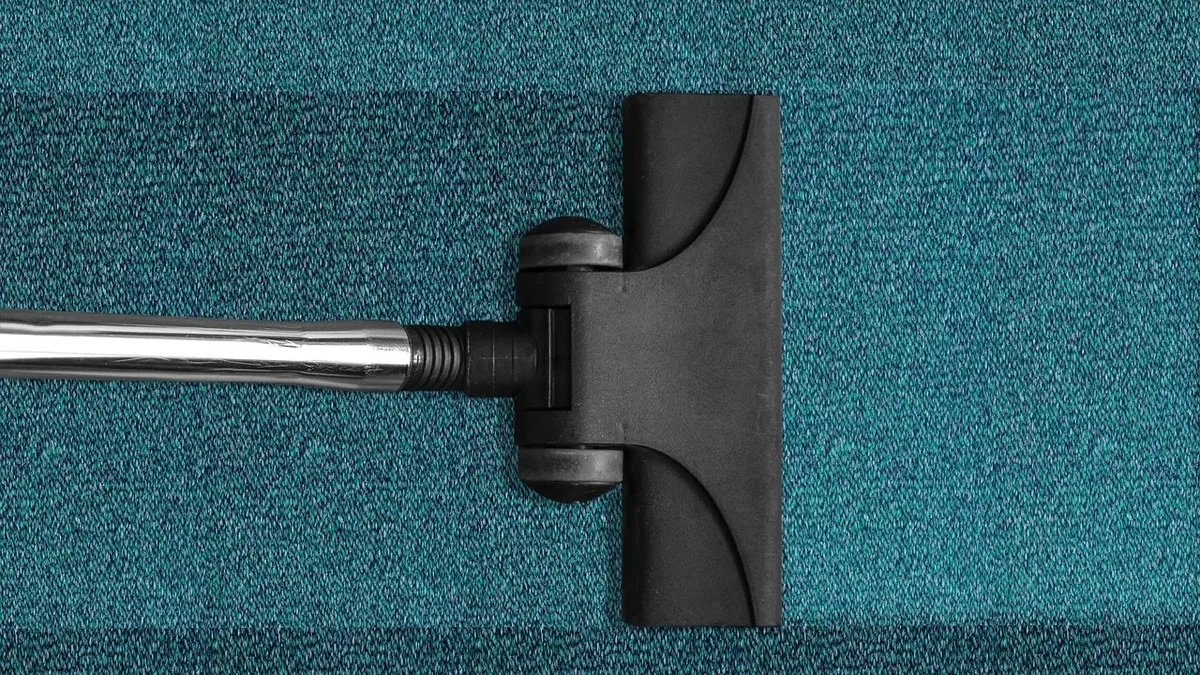
Best Vacuum For Pet Hair
| Type | Upright, canister, or stick vacuum |
|---|---|
| Power source | Corded or cordless |
| Bagged or bagless | Bagless |
| Filtration system | HEPA or similar |
| Attachments | Upholstery tool, crevice tool, motorized brush roll |
| Original use | Domestic cleaning |
Origin and history
The specialized category of vacuums marketed explicitly for pet hair emerged in the late 20th century alongside the rise of pet ownership in suburban households. Its origin is tied to the United States and other developed markets where carpeting remained prevalent and pets moved indoors. Manufacturers recognized a distinct need beyond general dirt for tools that could manage embedded animal fur and dander. This was not the invention of a new appliance type but a focused adaptation of existing vacuum cleaner technology. The development was driven by consumer demand for more effective solutions to a common and persistent domestic problem. Early iterations were often heavy upright vacuums with modified brush rolls and basic filtration systems.
What it is designed for
This appliance category is engineered specifically to remove pet hair from floors, furniture, and other household surfaces efficiently. Its primary design challenge is to prevent hair from tangling around the brush roll or clogging the intake hose and filters. Enhanced suction power and sealed filtration systems are critical to capture fine dander and allergens, not just visible fur. Many models include specialized motorized brush heads or turbo tools for upholstery and stairs to dislodge embedded hair. The design also considers the need for easy maintenance, such as simple brush roll cleaning and washable filters. Durability is a key factor, as the machine must handle dense, fibrous material regularly without motor burnout or component failure.
Development and versions
Development has progressed from simple bagged uprights with pet hair attachments to a diverse range of specialized machines. The early 2000s saw the introduction of more advanced sealed HEPA filtration to address allergen concerns, a major selling point. Cyclonic bagless technology, popularized by brands like Dyson, was adapted for pet hair to maintain suction and reduce ongoing costs. Robotic vacuums for pet hair later emerged, offering daily maintenance but with compromises on deep cleaning power. Recent versions include cordless stick vacuums with high-torque brush rolls, prioritizing convenience for quick cleanups. Concurrently, heavy-duty canister vacuums with extensive tool sets remain the choice for whole-home, deep cleaning of multiple surface types.
Best Best Vacuum For Pet Hair
Determining a single best model is impractical as the optimal choice depends on home layout, surface types, and user preference. For homes with mostly carpet and significant shedding, a powerful upright with an anti-tangle brush roll and sealed HEPA system is often most effective. For multi-surface homes with a mix of hard floors and area rugs, a high-quality canister vacuum with a dedicated powerhead provides superior versatility. Cordless stick vacuums are best for daily maintenance and quick cleanups of visible hair on hard surfaces and low-pile carpets. Robotic vacuums are best for consistent, automated daily cycles to control hair accumulation between deeper manual cleans. The best models universally share traits like strong suction, easy-to-clean brush rolls, and robust filtration to manage allergens.
Best Vacuum For Pet Hair brands
Several brands have established strong reputations within this specialized category through focused engineering. Miele is renowned for its durable canister vacuums with exceptional filtration and powerful motorized heads for pet hair. Dyson is noted for its strong cyclonic suction in both corded and cordless models, with designs specifically addressing hair wrap. Shark innovates with anti-hair wrap brush roll technology and versatile lift-away designs at accessible price points. Bissell, a long-standing brand, offers a wide range of dedicated pet hair vacuums, often incorporating specialized grooming tools. Kirby and Sebo are recognized for their commercial-grade construction and deep cleaning performance on carpets, favored for heavy-duty use. Niche brands like Roborock and iRobot are prominent in the robotic vacuum segment for pet hair maintenance.
Best Vacuum For Pet Hair problems
Common problems include hair tangling deeply within the brush roll, requiring frequent manual cutting and removal to maintain function. Fine dander and dust can quickly clog filters and pre-motor screens, leading to a dramatic loss of suction if maintenance is neglected. The motors in some models, particularly cheaper units, can overheat and fail when used intensively to clean large areas of embedded hair. Cordless models may suffer from insufficient battery life to complete a whole-home cleaning session, especially on carpets. Robotic vacuums for pet hair are prone to getting stuck on thicker rugs or tassels and can spread wet accidents if not detected. Bagless bins can be unpleasant to empty, potentially releasing a cloud of allergens unless emptied outdoors.
Pros and cons
The primary pro is effective removal of stubborn, embedded pet hair from fabrics and carpets that standard vacuums struggle with. A significant con is the higher initial cost and often increased weight and noise level compared to basic models. The enhanced filtration is a major benefit for allergy sufferers, effectively trapping dander and fine particulates. On the downside, these machines universally require more frequent and involved maintenance, such as cleaning brush rolls and washing filters. They excel at their specific task but can be over-engineered and cumbersome for someone without pets or with only hard floors. A common mistake is purchasing a lightweight cordless model for a home with mostly plush carpet, leading to frustration with battery drain and inadequate deep cleaning.
Who it suits
This appliance suits pet owners, particularly those with dogs or cats that shed heavily year-round or seasonally. It is well-suited for households with carpeted areas where hair becomes embedded and difficult to remove with a standard vacuum. Allergy sufferers or asthmatics benefit from the sealed HEPA systems that prevent recirculation of allergens. It suits individuals willing to perform regular maintenance on the vacuum, such as cleaning brushes and filters, to sustain performance. The category is less suited for those with only hard floors and minimal shedding pets, where a simpler, less expensive vacuum may suffice. It also may not suit those seeking a very lightweight, quiet machine, as power and durability often add bulk and operational noise.
Latest Best Vacuum For Pet Hair news
Latest reporting
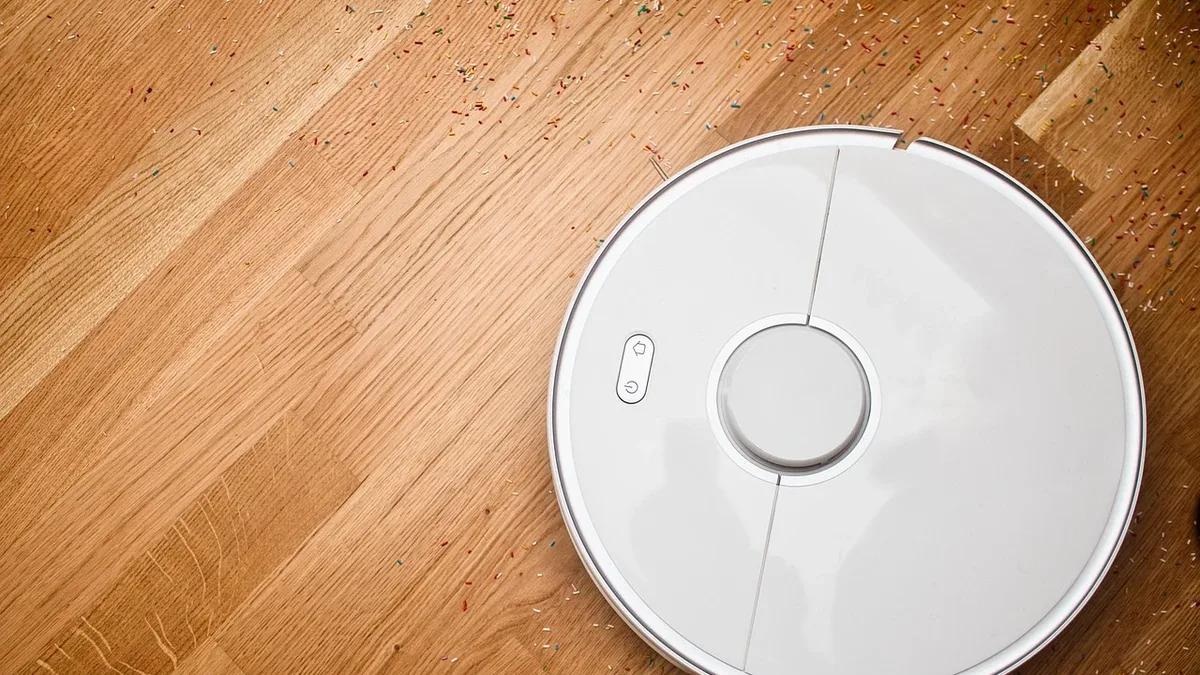
iRobot Roomba Max 875 uses SealForce carpet
iRobot's new flagship Roomba Max 875 Combo uses a sealing system to drive dirt from deep within carpets. The $1,199 vacuum-and-mop robot features a...
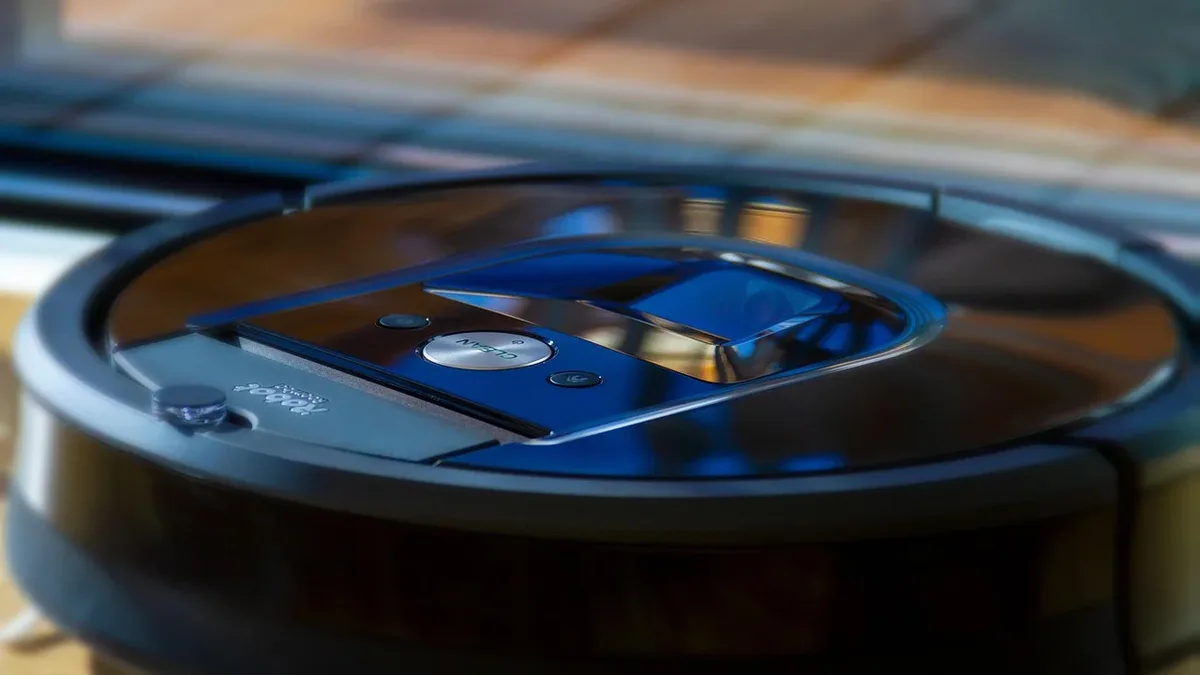
iRobot launches Roomba Max 875 Combo
iRobot says its new Roomba Max 875 Combo has SealForce tech for suction like a stick vacuum and a heated mop. It costs $1,199.
Dyson Supersonic Origin on sale for AU$299
Dyson's Supersonic Origin hair dryer is on sale for AU$299 at David Jones. It dries thick hair in under four minutes on low heat with powerful...
Best Buy Labor Day appliance sale live
Best Buy's Labor Day sale offers up to 45% off major appliances from Samsung, LG, GE, and Whirlpool, with free shipping and a price match guarantee.